If you prioritize distinct regional complexity and transparent traceability, single-origin coffee offers nuanced, terroir-driven flavors that vary with each harvest. Conversely, blended coffee delivers balanced, consistent profiles ideal for reliable daily brewing and milk pairing. Your choice depends on whether you seek unique, expressive taste experiences or steady, harmonious flavors.
Factors like roasting techniques and brewing methods further shape these differences. Exploring these elements can refine your coffee selection to suit your preferences perfectly.
What Is Single-Origin Coffee and Why It Matters
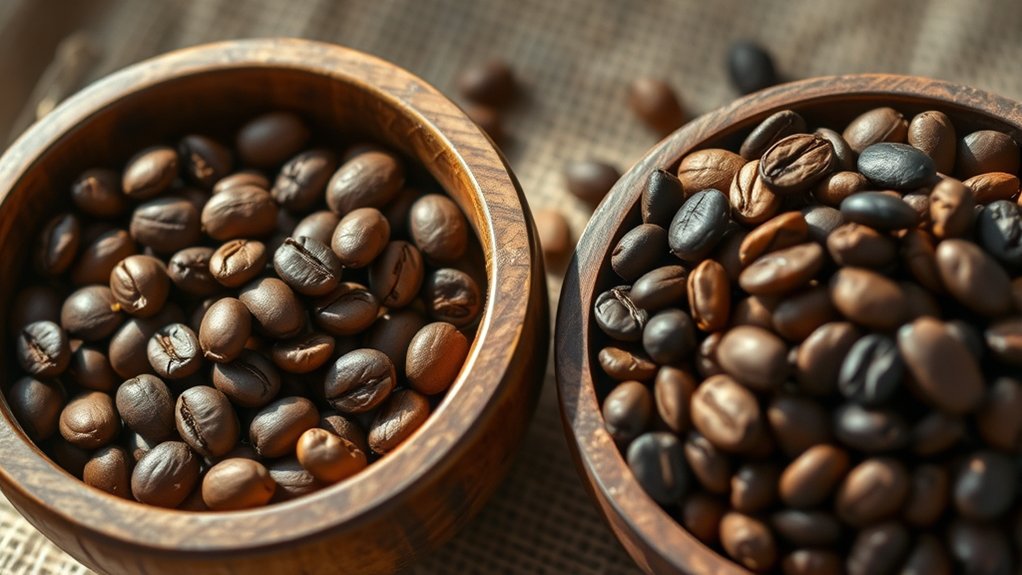
Although you mightn’t always realize it, single-origin coffee offers a unique opportunity to experience the precise characteristics of a specific farm, region, or cooperative. This coffee’s terroir, including soil composition, climate, and altitude, directly influences its distinct flavor profiles.
Single-origin coffee reveals the unique flavors shaped by its farm, climate, and soil, offering a true taste of place.
When you choose single-origin coffee, you engage with beans traceable to their exact source, ensuring transparency and letting you explore nuanced regional tastes.
These flavor profiles can shift annually due to variations in weather and harvest conditions. That means the coffee reflects the dynamic nature of the growing environment in a way blends often can’t.
By focusing on single-origin coffee, you tap into a complexity and expressiveness that highlights the subtle differences terroir brings.
It’s really essential for anyone wanting to appreciate coffee beyond generic blends. You get to savor the unique story behind each cup, making your coffee experience all the more special.
For the best flavor clarity and balanced extraction, selecting the right grinder with grind size precision tailored to your brewing method is equally important.
How Single-Origin and Coffee Blends Are Crafted
Understanding the unique characteristics of single-origin coffee sets the stage for exploring how these beans are crafted compared to blended coffees. Single-origin coffee involves sourcing beans exclusively from one farm or region, emphasizing precise selection to preserve distinctive regional flavors.
The roasting process for these beans is carefully controlled to highlight specific aroma and taste notes inherent to their origin. In contrast, coffee blends combine beans from multiple origins, either before or after roasting, to achieve a balanced and consistent flavor profile.
Roasters analyze the attributes of diverse beans and adjust the roasting process to harmonize these elements into a cohesive cup. Whether crafting single-origin coffee or coffee blends, the meticulous sourcing and roasting decisions fundamentally shape the final sensory experience. Adjusting espresso yield based on roast type is essential to optimize flavor extraction and balance.
Flavor Differences Between Single-Origin and Blends
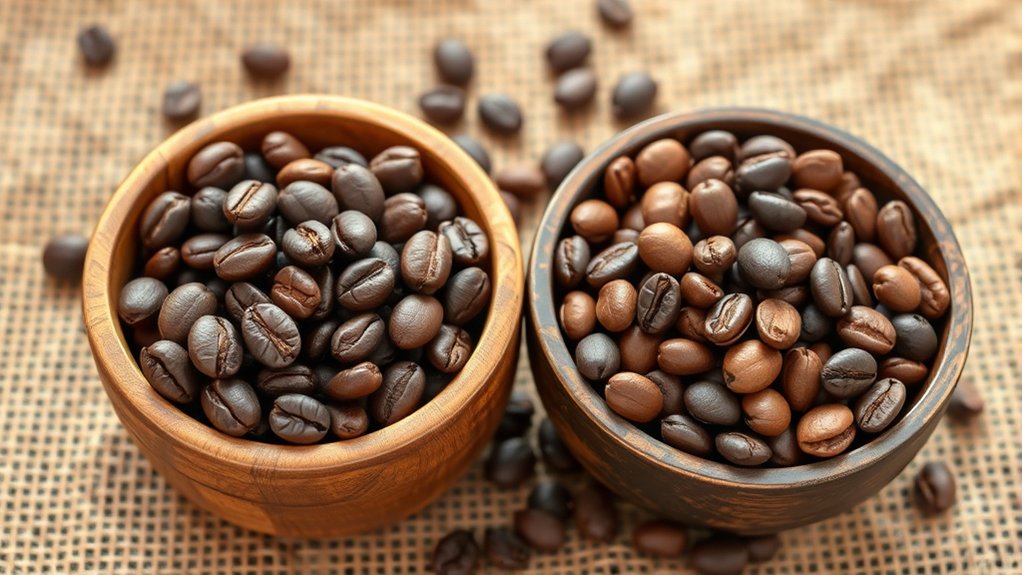
When you compare single-origin coffees to blends, you’ll notice that single-origin beans deliver more distinct and pronounced flavor notes tied directly to their specific region, like citrus or floral tones. This happens because single origin highlights terroir, which is the unique climate, soil, and processing methods. These factors result in complex, nuanced taste profiles.
On the other hand, blends combine multiple beans to create balanced and consistent flavor notes. They tend to mask individual regional differences. Blends focus on uniformity and smoothness, which appeals to broader palates by bringing together diverse characteristics.
Additionally, selecting high-quality, single-origin beans with recent roast dates significantly influences the final clarity, aroma, and complexity of the coffee, enhancing the overall experience of flavor extraction.
Why Traceability Matters for Single-Origin Coffee
The distinct flavor profiles of single-origin coffees come straight from their specific farms and processing methods. That’s why traceability is super important to really appreciate these beans. It gives you detailed info on the farm location, cultivation practices, and supply chain, making everything transparent.
Traceability reveals the unique origins and methods behind single-origin coffee’s distinct flavors.
This way, you can check that the coffee is ethically sourced, with fair wages and sustainable farming practices. Knowing exactly where your coffee comes from helps you understand how microclimates and soil affect those unique flavor notes.
Traceability also builds trust by connecting you to the coffee’s social and environmental impact. It shows responsible production that supports local communities and ecosystems.
When you choose single-origin coffees with clear traceability, you’re backing accountability and sustainability, which makes your coffee experience better and your consumption more ethical. Additionally, understanding brewing variables like grind size and water temperature can help you highlight the unique flavors of single-origin beans.
Why Consistency Makes Blends Popular for Everyday Brewing
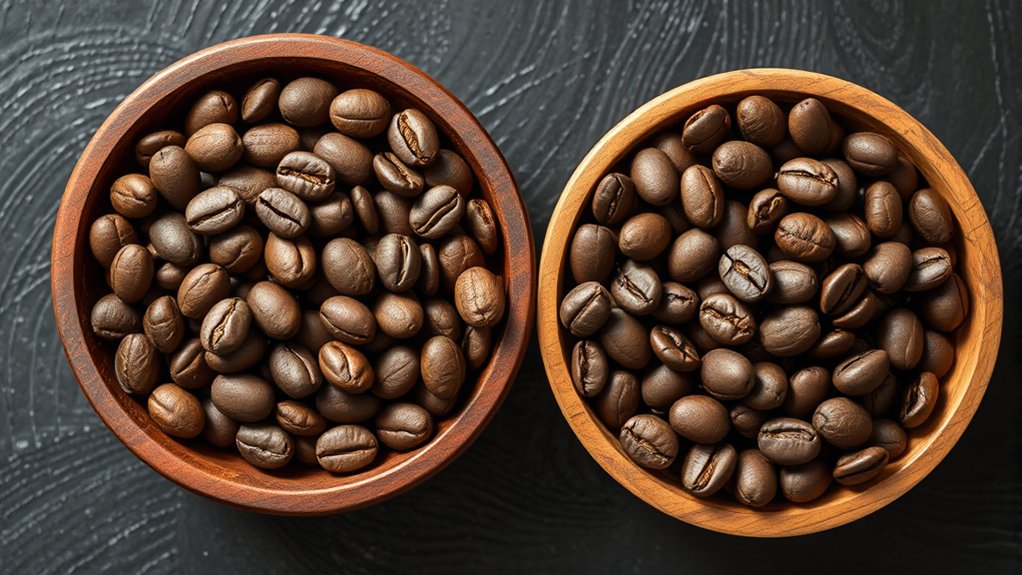
You count on blends to keep the flavor steady, even when the quality of beans changes with the seasons.
Roasters mix beans from different places in just the right amounts to balance acidity, body, and aroma. This way, they make sure your coffee tastes familiar and well-rounded every single time. Consistent grind size and proper extraction techniques are essential to maintaining that reliable flavor in every cup.
Flavor Stability Across Seasons
Although coffee flavors can shift dramatically with seasonal changes, blends offer a solution by maintaining a consistent profile year-round. By combining beans from multiple regions or harvests, blends effectively counteract seasonal variations in flavor and acidity that single-origin coffees often exhibit.
Roasters skillfully adjust bean ratios within blends to preserve flavor stability despite natural fluctuations in crop characteristics. This meticulous approach guarantees that each batch delivers a uniform coffee experience, minimizing the sensory inconsistencies that seasonal shifts can cause in single-origin beans.
Ultimately, blends provide you with dependable flavor stability. They’re ideal for everyday brewing when you want a reliable cup regardless of harvest season or year-to-year changes in bean quality. Additionally, using consistent water-to-coffee ratios during brewing helps maintain balanced extraction and flavor stability.
Balanced Taste Profiles
When you’re looking for a coffee that delivers a predictable and balanced taste every day, blended beans really shine by design. Unlike single origin coffees, which can vary depending on the crop, a blend combines beans from multiple sources to create a balanced cup with consistent acidity, sweetness, and body.
Roasters carefully adjust the proportions to bring out familiar flavors like chocolate or caramel. This precision means your daily brew stays reliable across batches and seasons.
There are some clear benefits to the balanced taste profiles in blends. First, they offer consistent flavor delivery, which is perfect for everyday brewing. Plus, roasters can swap similar beans to keep the flavor stable over time.
Blends also work great for espresso and milk-based drinks. And the predictable balance you get from blends is something single origin coffees can’t really match.
All in all, this consistency makes blends the go-to choice when you want dependable quality. Using the right coffee-to-water ratio further ensures that the flavors remain balanced and enjoyable in every cup.
Which Brewing Methods Best Suit Single-Origin vs. Blends?
How do different brewing methods influence the expression of single-origin versus blended coffee beans? Brewing methods like pour-over and drip really bring out single origin’s nuanced flavors and terroir. They let you explore regional distinctiveness with precision.
On the other hand, blends shine in espresso brewing. Their balanced profiles create a rich, consistent taste that pairs well with milk. This enhances texture and sweetness, making your coffee experience smoother.
French press is pretty versatile. It intensifies the full-bodied qualities and mouthfeel of both single origin and blends. AeroPress and siphon methods also work well with both. They highlight either the unique characteristics of single origin or the harmonious balance of blends.
In the end, your brewing method choice depends on whether you want to emphasize single origin’s complexity or enjoy blends’ everyday consistency. It’s all about what kind of coffee experience you’re after.
How Roasting Influences Single-Origin and Blended Coffees
You’ll find that roasting really shapes the flavor by either bringing out the unique regional notes in single-origin beans or blending different profiles into a balanced whole.
When you tweak the time and temperature, you can boost the brightness and earthiness in single origins. On the other hand, you can create a nice harmony across multiple beans in blends.
Light roasts usually keep those subtle terroir characteristics intact, while darker roasts tend to unify the flavors, often masking the specific traits from each origin.
Roasting Impact On Flavor
Why does roasting play such a crucial role in shaping the flavor profiles of single-origin and blended coffees? Roasting transforms green beans chemically and physically, releasing and emphasizing distinct flavor compounds.
When you roast single-origin beans, you highlight their terroir, like brightness, earthiness, or floral notes, by tailoring roasting curves precisely. In blends, roasting balances diverse beans to create harmony and consistency.
Consider these key impacts:
- Roasting enhances single-origin flavor by preserving or emphasizing regional nuances.
- Light roasts maintain delicate single-origin characteristics, while darker roasts can mute them.
- Blended coffees often involve roasting beans separately at different levels to balance acidity, sweetness, and body.
- Roasting aims for consistency in blends. Single-origin roasting targets unique flavor expression.
Understanding roasting’s impact helps you choose coffee that matches your flavor preferences. It’s pretty cool once you get how much roasting affects what you taste.
Enhancing Origin Vs Harmony
Roasting doesn’t just release flavors. It sculpts the relationship between origin and blend through temperature control and timing. When you roast single-origin beans, you highlight terroir nuances. Bright, fruity notes emerge distinctly.
In contrast, roasting blended coffees focuses on harmony. It balances diverse beans into a unified profile, often developing richer, chocolatey tones.
| Aspect | Single Origin | Blended Coffee |
|---|---|---|
| Roasting Goal | Enhance regional flavors | Achieve balanced harmony |
| Flavor Focus | Distinctive, bright, and fruity | Smooth, rich, and cohesive |
| Roast Levels | Light to medium for clarity | Medium to dark for depth |
You’ll notice precise roasting preserves origin traits or blends them seamlessly, depending on your preference. It’s all about what you want from your coffee.
How to Choose Coffee That Matches Your Taste
When selecting coffee that aligns with your taste, consider whether you prefer the distinct, region-specific flavors of single-origin beans or the consistent, harmonious profiles of blended coffees. Your flavor preference plays a crucial role in this choice.
First, identify your taste preference. Are you looking for complexity and variability with single-origin, or do you want smooth consistency with blends? It really depends on what you enjoy most.
Next, evaluate the flavor nuances. Single-origin highlights terroir-specific notes, while blends offer balanced profiles. Each has its own charm.
Think about your brewing method too. Single-origin coffees often shine in pour-over or drip setups. Blends, on the other hand, tend to perform better in espresso.
Finally, assess your curiosity level. If you like exploring unique flavors, single-origin is a great choice. But if you appreciate roaster creativity through harmonious combinations, blends are where it’s at.
Finding Quality Single-Origin and Blend Coffee Beans
Although sourcing quality coffee beans can be challenging, focusing on traceability and roaster reputation will guide you toward superior single-origin and blended options. Prioritize beans with transparent traceability details like origin, farm, and processing methods to verify authenticity and quality.
Reputable roasters committed to sourcing high-quality single-origin beans and expertly crafted blends maintain consistency and flavor integrity.
Check packaging for roast dates to ensure freshness, which is especially important for single-origin beans because they highlight unique regional characteristics.
Reading reviews and tasting notes helps you evaluate flavor profiles and reliability.
Moreover, certifications like Fair Trade or Organic indicate sustainable and ethical practices, which can enhance the overall quality of the beans.
Frequently Asked Questions
Can I Mix Single-Origin and Blended Beans at Home?
Yes, you can mix single-origin and blended beans at home. Doing so lets you customize your coffee’s flavor by balancing the unique traits of single-origin beans with the complexity of blends.
Try experimenting with different ratios to bring out brightness or body. Just make sure the roast levels and grind sizes work well together. That way, you’ll get the best extraction without under- or over-extracting.
This method is a fun way to explore new flavors and make your coffee experience even better. Give it a shot and see what combinations you like best!
Do Single-Origin Coffees Have a Higher Price Point?
Like owning a rare gemstone, single-origin coffees usually come with a higher price tag. You’re paying for beans from limited harvests, specific terroirs, and meticulous processing.
This traceability and care boost production costs, making these coffees pricier than blends.
The unique flavors you experience reflect this investment. So, if you value distinct profiles and transparency, expect to spend more on single-origin beans compared to widely available blends.
How Long Do Single-Origin and Blended Beans Stay Fresh?
You can expect both single-origin and blended coffee beans to stay fresh for about 2 to 4 weeks after roasting if you store them properly.
Keep them in airtight containers, away from light and heat. Using vacuum-sealed bags with one-way valves can extend freshness by preventing oxygen exposure.
Once opened, try to use your beans within 2 to 3 weeks to keep their peak flavor and aroma.
Both types tend to degrade similarly over time, so it’s best not to wait too long before brewing your coffee.
Are Single-Origin Coffees Better for Espresso Than Blends?
Are you looking for complexity or consistency in your espresso? Single-origin coffees often deliver more vibrant, distinct flavors with bright acidity and unique regional notes. They’re ideal if you want to explore nuanced profiles.
However, blends excel in balance and smoothness. They produce a reliable crema and uniform taste.
Can Blends Include Single-Origin Beans From the Same Farm?
Yes, blends can include single-origin beans from the same farm. You’ll often find roasters combining different micro-lots or varietals grown on one farm to create a balanced, complex flavor profile.
This approach lets you enjoy consistency and regional characteristics at the same time. By blending within a single origin, you keep traceability while highlighting subtle terroir differences.
It’s a great way to craft a harmonious cup tailored to specific sensory goals without losing transparency or quality control.
Conclusion
Choosing between single-origin and blended coffee beans is like picking between a precision instrument and a reliable tool. Single-origin beans offer a nuanced, traceable profile that reveals unique terroir and complex flavors. They’re ideal for analytical tasting and specialized brewing methods.
Blends, on the other hand, provide consistent and balanced results. They’re perfect for everyday brewing when predictability matters most. By understanding how roasting impacts flavor profiles, you can tailor your choice to suit your brewing style and palate.
This way, each cup you make meets your exacting standards. It’s all about finding what works best for you and enjoying your coffee just the way you like it.