For espresso, medium roasts are your best starting point because they balance flavor, acidity, and extraction ease. They deliver smooth, rich shots with good crema and preserve nuanced origin notes.
Darker roasts offer bold, smoky intensity and thicker crema but risk bitterness if over-extracted. Lighter roasts highlight bright, fruity acidity but require careful brewing to avoid sourness.
If you want to master how roast levels influence espresso flavor and technique, there’s plenty more to explore. It’s all about finding what suits your taste and skills best.
What Is an Espresso Roast: Myth or Reality?
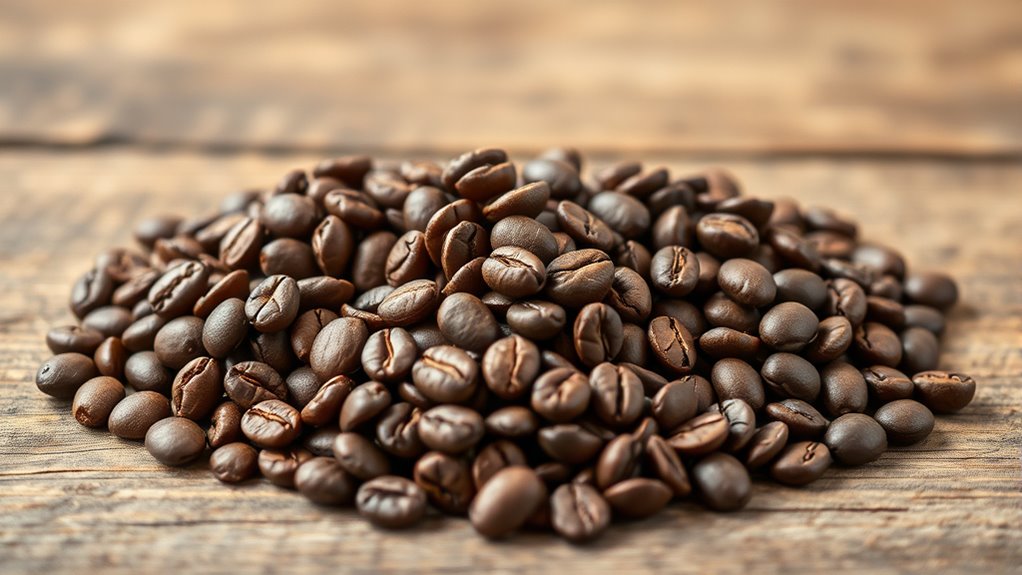
Although many people believe an “espresso roast” refers to a specific roasting level, it’s primarily a marketing term rather than a standardized category. You should know that beans labeled as espresso roast often lean toward darker profiles, designed for a bold, full-bodied shot with thick crema.
However, there’s no official definition restricting espresso to dark roasts. You can successfully pull espresso shots with beans ranging from medium-light to dark.
Modern espresso brewing embraces this flexibility, adapting roast levels to personal taste and regional preferences. Specialty roasters now offer various roast levels specifically for espresso, emphasizing flavor goals over rigid standards.
It is also important to note that the roast profile adjustments enhance flavor for high-pressure extraction, which is essential in espresso preparation.
How Espresso Roast Levels Affect Flavor and Extraction
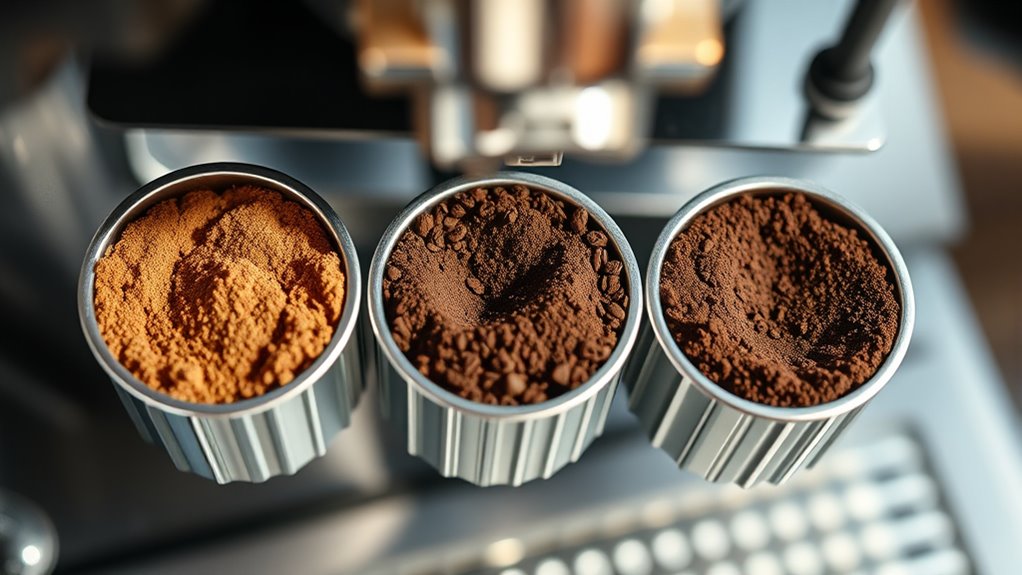
When you choose your espresso roast level, it directly shapes both the flavor profile and the extraction process. Darker roasts offer higher solubility due to their porous structure, allowing quicker, more complete extraction that produces a richer, fuller-bodied espresso with pronounced roast notes like smokiness and bitterness.
In contrast, lighter roasts are less soluble and extract more slowly, which can cause under-extraction, resulting in sour, weak flavors that obscure origin-specific nuances.
Balancing your roast level with grind size and brewing parameters is essential to optimize extraction and enhance crema quality.
Understanding how these factors interact empowers you to tailor your espresso’s taste and mouthfeel precisely.
This way, you can make sure each shot delivers the complexity and depth you want.
Additionally, darker roasts produce thicker, more stable crema, which enhances both texture and visual appeal in your espresso.
Comparing Light, Medium, and Dark Espresso Roasts

Choosing the roast level shapes not only extraction but also the character of your espresso. Understanding the differences between light, medium, and dark roasts helps you tailor your shot to your preferences and brewing setup.
Light roasts preserve delicate, origin-specific flavors and higher acidity, offering a bright, nuanced cup. Their hardness can complicate extraction and reduce crema, though.
Medium roasts strike a balance, maintaining some origin complexity while delivering a smooth, rich profile with moderate acidity. This makes them versatile.
Dark roasts, favored traditionally for espresso, provide bold, smoky flavors and low acidity. They produce a fuller-bodied shot with thicker crema. They also extract more easily and pair well with milk or blends.
Your choice really depends on taste and equipment. Darker roasts are often preferred for consistency and intensity. Adjusting extraction time according to roast level—such as longer for light and shorter for dark—helps optimize flavor development and balance in your espresso. This is known as adjusting shot time.
Why Medium Roasts Are Ideal for Espresso Beginners
Because medium roasts balance acidity and sweetness effectively, they offer an ideal starting point for espresso beginners aiming to master extraction techniques. Their porous structure guarantees consistent extraction, preventing overpowering smoky or bitter flavors common in darker roasts.
You’ll find medium roasts produce a well-rounded flavor profile, often featuring chocolate and caramel notes that complement espresso’s body. This roast level’s solubility is forgiving, which means you’re less likely to under- or over-extract during brewing.
For you, this translates to a smoother learning curve, allowing you to focus on dialing in grind size, dose, and extraction time without battling extreme flavor imbalances. Ultimately, medium roasts provide versatility and balance, making them the perfect choice as you develop your espresso skills. Additionally, the roast level influences flavor and texture, making medium roasts ideal for preserving nuanced flavors while maintaining sufficient body for espresso.
How Regional Preferences Shape Espresso Roast Choices
Although espresso is enjoyed worldwide, regional preferences play a crucial role in shaping the roast levels you encounter. Understanding these differences helps you select the roast that best suits your taste and brewing style.
- Northern Italy: You’ll find a preference for blonde or medium roasts here. These highlight delicate, origin-specific flavors and reflect their tradition of nuanced espresso profiles.
- Southern Italy: Expect darker roasts with bold, smoky characteristics. This caters to a culture that enjoys intense, full-bodied espresso experiences.
- North America & Europe: North Americans often favor medium to lighter roasts for a balanced flavor. Many Europeans, on the other hand, lean toward darker roasts, emphasizing richness and depth.
Starbucks, for instance, uses custom-built espresso machines designed to optimize extraction and flavor consistency, which can influence how their espresso roasts are developed and brewed.
What Your Espresso Machine Means for Roast Selection
When selecting the ideal roast for your espresso, your machine’s design and functionality play a critical role in determining which beans will deliver the best results.
If you use a super-automatic machine, oily, dark roasts can clog internal components, so you’ll want to choose medium roasts or maintain rigorous cleaning routines.
Semi-automatic machines handle oily, darker roasts better, allowing you to enjoy richer crema and fuller-bodied shots without frequent clogging.
High-pressure machines generally excel with medium to dark roasts, ensuring consistent extraction and balanced flavor.
Light roasts, less oily and more acidic, demand adjustments in grind size and extraction time, which can be tricky on some machines.
Understanding the extraction process is essential to optimize flavor and texture for different roast levels.
How to Experiment With Espresso Roasts to Find Your Favorite
Start your exploration with medium roasts because they offer a balanced flavor and consistent extraction. You’ll find they’re a great middle ground to get a sense of what you like.
After that, try tasting darker and lighter roasts. Play around with grind size and extraction time to really bring out their unique profiles. It’s all about experimenting to see what works best for you.
Make sure to keep detailed notes on the flavor, crema, and extraction each time. This way, you can fine-tune your preferences and eventually discover your ideal espresso roast.
Remember that roast level affects solubility, which influences grind size and brewing temperature adjustments during your experimentation.
Roast Level Exploration
Since espresso roasting profoundly influences flavor and extraction, experimenting with different roast levels helps you discover a profile that suits your palate and brewing style. Start by testing medium roasts, which balance acidity and body, offering versatility.
Then, explore darker roasts like French or Italian for bold, smoky notes and easier extraction with richer crema. Finally, try lighter roasts to capture origin-specific complexities, but be ready to fine-tune grind size and extraction time.
Here’s how to approach your roast level exploration:
- Begin with medium roasts to establish a baseline flavor and extraction profile.
- Move to darker roasts for intensity and crema enhancement.
- Experiment with light roasts to uncover nuanced flavors, adjusting brewing variables accordingly.
Track your adjustments carefully to pinpoint what suits you best. Keep in mind that using a consistent grind size is essential for balanced extraction, especially when switching roast levels.
Tasting and Adjustment
Although experimenting with different espresso roasts can be exciting, you’ll get the most accurate insights by maintaining a consistent brewing method and grind size throughout your trials. Start with a medium-dark roast to balance flavor and extraction ease, then adjust based on your taste preferences.
Pay close attention to extraction time, crema quality, and flavor notes, documenting each to track how roasts influence acidity, body, and complexity. Brew the same beans at varying roast levels to observe subtle changes in aroma, brightness, and aftertaste.
Gradually incorporate lighter or darker roasts to refine your understanding of how roast degree affects your espresso’s profile. This methodical approach guarantees you pinpoint the roast that truly enhances your ideal espresso experience.
Keeping Your Espresso Machine Clean When Using Dark Roasts
When you use dark roasts, the oils can quickly build up on your espresso machine’s filters, baskets, and valves. This buildup can lead to clogs and cause wear on the seals over time. Because of that, it’s important to keep your machine in good shape.
To make sure your espresso machine keeps performing well, you’ll want to stick to a regular cleaning schedule. That means not just quick rinses, but also descaling and giving the brew groups and portafilters a deep clean every now and then.
One helpful tip is to use a detergent made specifically for espresso machines. These cleaners are great at cutting through those oily residues, which helps prevent maintenance problems down the road.
Keeping up with this routine will ensure your machine runs smoothly and your espresso tastes just right. Additionally, adjusting your descaling schedule based on water hardness can help maintain optimal machine performance and longevity.
Oily Bean Maintenance
Using dark roasted beans means dealing with oily residues that can quickly build up in your espresso machine’s grinder and brewing parts. This buildup can affect how your machine performs and even change the flavor of your coffee if you don’t keep up with maintenance.
To handle oily bean maintenance well, you’ll want to follow these steps:
- Clean grinder and machine parts frequently: Oily residues stick to grinder chutes, portafilters, and group heads. So, it’s a good idea to clean them often to prevent buildup.
- Use proper cleaning solutions and backflushing: Use a cleaning solution made for espresso machines. Backflush with a blank portafilter to get rid of those stubborn oils.
- Store beans correctly: Keep your dark roasts in airtight, opaque containers. This helps minimize oil migration and keeps your beans fresh longer.
Regularly inspect and clean the brew filter and portafilter to prevent clogs caused by oily residues and maintain optimal espresso extraction.
Preventing Machine Clogs
Dark roasts bring rich flavors but also leave behind oily residues that can quickly clog your espresso machine’s filters and grinders. To prevent buildup, clean your portafilter and group head weekly, targeting residual oils.
Use a degreasing solution made for espresso machines to dissolve greasy deposits effectively. Frequent backflushing with a cleaning tablet also maintains peak performance, reducing oil accumulation.
Additionally, properly drying and storing dark roasted beans minimizes surface oil transfer to your machine.
| Task | Recommended Action |
|---|---|
| Filter & Group Head | Clean weekly with degreaser |
| Backflushing | Use cleaning tablet regularly |
| Bean Storage | Dry thoroughly and store airtight |
Following these steps keeps your espresso machine running smoothly despite dark roast oils.
Cleaning Frequency Tips
Because oily grounds from rich roasts tend to accumulate quickly, you’ll need to clean your espresso machine more often than with lighter beans. Dark roast oils can clog grinders, valves, and filters, which leads to poor extraction and machine wear.
To keep your machine running smoothly, it’s important to follow a regular cleaning schedule.
Here’s a simple guide to help you maintain peak performance: Clean brew baskets, portafilters, and drip trays after every 10-15 shots to prevent oil buildup.
Also, descale and flush machine valves more frequently since oily residues tend to stick and cause clogs.
Make sure to use a specialized cleaning solution regularly. This will dissolve stubborn oils and protect your internal components.
Staying consistent with this routine helps you avoid residue buildup. It guarantees smooth operation and keeps your espresso tasting fresh, even with dark, oily beans.
Frequently Asked Questions
How Does Grind Size Influence Espresso Flavor With Different Roasts?
You’ll need finer grinds for darker roasts to avoid bitterness, while lighter roasts require coarser grinds to prevent under-extraction.
Adjusting grind size balances extraction, enhancing clarity, body, and flavor complexity in your espresso shot.
It’s all about finding that sweet spot so your espresso tastes just right every time.
Can Espresso Roast Beans Be Used for Other Brewing Methods?
Yes, you can use espresso roast beans for other methods like AeroPress or French press, but expect a bolder, more intense flavor. Adjust grind size to avoid clogging, and know lighter roasts highlight origin better.
Just remember, espresso roasts are designed for quick, high-pressure brewing. So, when you switch methods, the taste might change a bit. But experimenting can be pretty fun!
What Storage Tips Preserve Espresso Roast Freshness?
You should store your espresso roast beans in an airtight container. Keep them away from light, heat, and moisture to maintain their freshness.
Avoid refrigeration because it can cause condensation and affect the beans’ flavor. Also, grind the beans just before brewing to enjoy the best aroma and full flavor profile.
Are Single-Origin Espresso Roasts Better Than Blends?
If you’ve tasted a single-origin Ethiopian espresso, you’ll notice bright floral notes that blends can mute. You’ll prefer single-origin if you crave unique complexity.
But blends offer consistent balance, so it really depends on your flavor priorities.
How Does Water Temperature Affect Espresso Extraction by Roast?
You need higher water temperatures for lighter roasts to extract their delicate flavors fully. Darker roasts, on the other hand, require slightly cooler water to avoid bitterness.
Adjusting temperature precisely balances extraction. This helps enhance both the flavor and the crema quality in your espresso. It’s all about finding that sweet spot for your specific roast.
Conclusion
Now that you’ve unraveled the espresso roast mystery, you’re ready to brew like a seasoned barista from the Renaissance era, minus the ruff collar. Remember, your espresso machine and personal taste should guide your roast choice. Don’t hesitate to experiment with light, medium, and dark roasts to discover what suits you best.
Keep your machine clean, especially with darker roasts, for a flawless extraction every time. Your perfect espresso awaits. Sip wisely!