You want freshly roasted, medium to medium-dark Arabica blends that balance acidity, sweetness, and body for rich, complex espresso with thick crema. Including some Robusta can boost crema and caffeine but impacts bitterness.
Single origin beans offer expressive, nuanced flavors, while blends guarantee consistency and work well with milk. Store beans airtight and use them within weeks of roasting to preserve aroma and flavor.
Explore these factors to perfect your espresso selection and brewing craft.
What Makes Espresso Beans Different From Regular Coffee Beans?
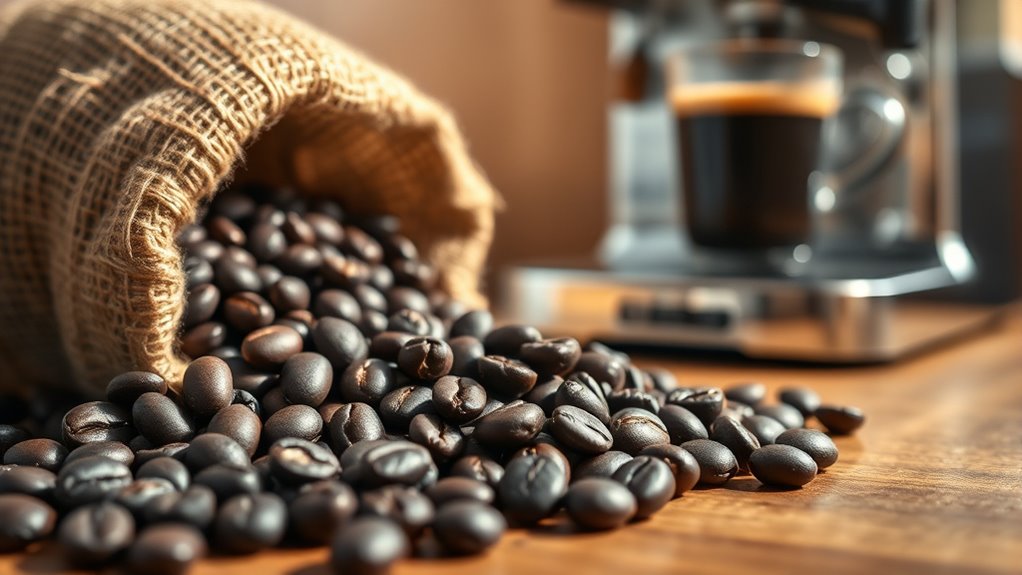
Although any coffee bean can be used to make espresso, what sets espresso beans apart is their specific roast level, blend, and grind size tailored for the espresso brewing method.
You’ll notice espresso beans are usually roasted darker to enhance body and produce a rich crema under high pressure extraction.
They’re also finely ground, much finer than regular coffee, to optimize flavor release during the short, intense brewing time.
Blending is common too, as it balances acidity, bitterness, and sweetness, making sure the espresso stands up to milk or other additives.
While many associate espresso with dark roasts, medium roasts are gaining traction for their flavor complexity.
This shows that roast level isn’t the only factor.
Ultimately, espresso beans’ preparation focuses on optimizing extraction, flavor balance, and crema quality.
Precise measurement of coffee dose and shot volume is essential to achieve consistent espresso flavor and quality in every cup.
How Roast Levels Affect Espresso Bean Flavor
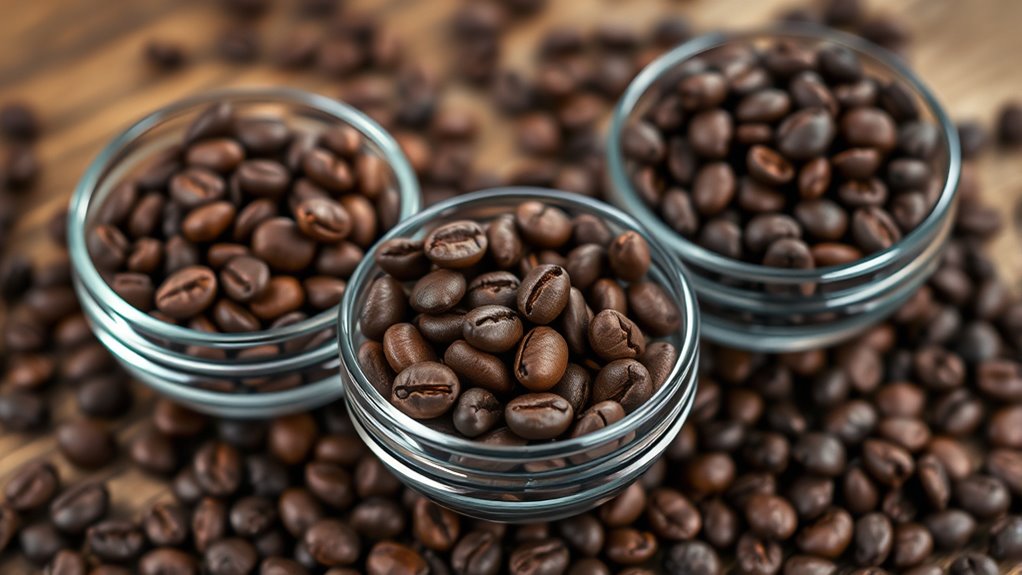
Roast level plays a significant role in shaping the flavor profile of espresso beans. It directly impacts the taste and texture of your shot. Dark roasts deliver bold, smoky flavors with a fuller body and thicker crema.
Medium roasts preserve complexity and brightness, highlighting nuanced, original bean characteristics. Light roasts emphasize acidity and vibrant, floral notes. But they may produce lighter crema and require careful extraction to avoid underdevelopment.
Over-roasting risks burnt bitterness. This can mask subtle flavors and degrade quality.
Adjusting brewing parameters based on roast type can enhance flavor clarity and balance.
| Roast Level | Flavor Profile | Crema & Texture |
|---|---|---|
| Light | Vibrant, floral, acidic | Thin crema, lighter body |
| Medium | Complex, bright, balanced | Moderate crema, smooth |
| Dark | Bold, smoky, full-bodied | Thick crema, rich mouthfeel |
Arabica vs Robusta: How They Affect Espresso Flavor
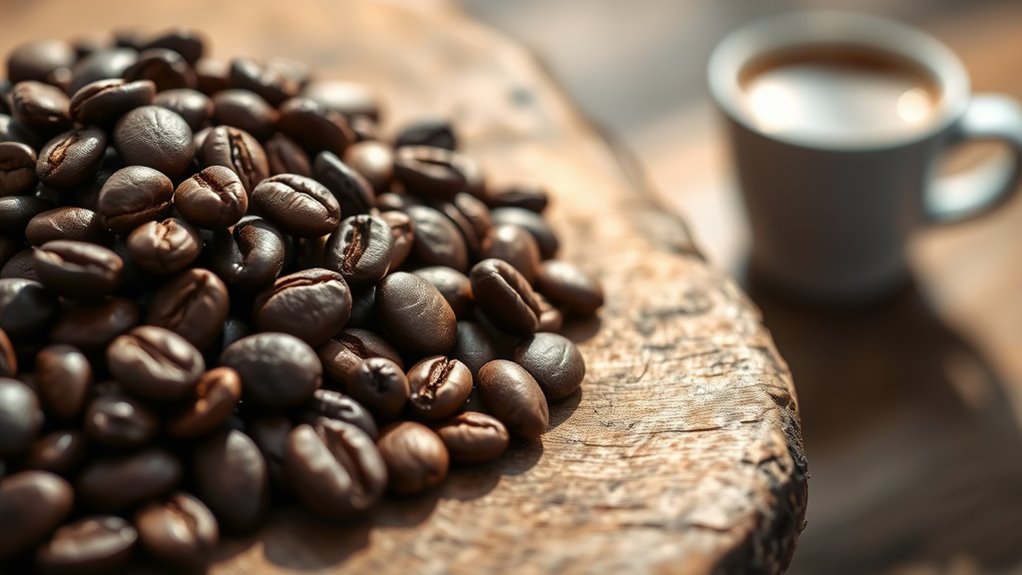
When choosing espresso beans, understanding the differences between Arabica and Robusta is essential for tailoring flavor and texture. Arabica beans deliver a smoother, sweeter, and more complex flavor profile, thanks to higher acidity and nuanced aromatic compounds.
In contrast, Robusta beans offer a more bitter, earthy, and full-bodied taste, with nearly twice the caffeine content, which intensifies crema and bitterness. Robusta’s pest resistance makes it cheaper and easier to cultivate but often results in harsher flavor notes.
Specialty espresso typically favors Arabica for its refined taste, while Robusta is valued in blends to enhance body, crema, and caffeine punch. Additionally, the roast level significantly influences how these beans express their flavors in espresso preparation.
Single Origin vs Blend: Which Espresso Beans Are Best?
If you want espresso that highlights specific regional characteristics, single origin beans deliver distinct terroir-driven flavors such as fruity, floral, or chocolate notes. These flavors reflect the unique soil, climate, and cultivation practices of their source.
Single origin espresso showcases unique regional flavors shaped by soil, climate, and cultivation practices.
These beans emphasize clarity and complexity, allowing you to explore nuanced profiles unique to each origin.
Conversely, blends combine beans from multiple regions. They’re engineered to create consistent, balanced, and full-bodied espresso with harmonious flavor layers.
Blends prioritize smoothness and depth, offering reliability in every shot.
Your choice really depends on what you like. Single origin appeals if you want expressive and varied flavor experiences. Blends suit those who want dependable richness and complexity.
Both can yield excellent espresso, but expect more flavor variability with single origins compared to the uniformity found in expertly crafted blends.
Additionally, the roast level and blend composition profoundly influence the espresso’s flavor, strength, and character, making these factors essential in choosing the right beans for your taste.
How Freshness Impacts Espresso Bean Flavor and Quality
Although many factors influence espresso quality, freshness of the beans plays a crucial role in defining flavor and aroma intensity. Freshly roasted espresso beans contain higher concentrations of volatile aromatic compounds, which create the vibrant flavors and rich aromas you expect.
Peak flavor occurs within 2 to 4 weeks after roasting. Beyond this window, freshness declines sharply. Using stale beans results in a flat, dull taste and reduced crema production, which compromises texture and complexity.
You’ll notice sour, muted, or burnt notes if beans exceed their essential freshness. To preserve these qualities, store your beans in an airtight container, away from heat, light, and moisture.
Keeping your beans fresh guarantees your espresso delivers the full-bodied, nuanced experience that high-quality beans promise. Additionally, maintaining the proper extraction time helps preserve these flavor qualities during brewing.
How to Choose Espresso Beans for Your Taste
Freshness sets the foundation, but choosing espresso beans that match your flavor preferences shapes the final cup. Determine whether you prefer fruity, nutty, or chocolatey notes, which depend heavily on bean origin and roast level. Opt for medium roasts if you want a versatile profile that retains natural sweetness and complexity.
Decide between single-origin beans, which offer distinctive, nuanced flavors, or blends that yield consistent, well-rounded shots.
Consider the bean species: Arabica delivers smooth, nuanced flavors, while Robusta boosts crema, body, and caffeine content.
Always select beans roasted within the past 2-4 weeks and store them airtight, away from light and heat to preserve quality.
Customizing your choice based on these parameters ensures your espresso aligns precisely with your taste.
Additionally, using freshly ground beans just before brewing maximizes aroma and crema, enhancing the overall espresso experience.
Best Espresso Beans for Balanced, Complex Shots
You’ll want to focus on medium roasts because they keep those natural sugars intact while giving you enough body for a great extraction.
When it comes to choosing your beans, it really depends on what you’re after. Single-origin beans bring out distinct flavor notes, while blends tend to balance acidity and sweetness nicely. Either way, both can add a lot of complexity to your shot.
Just make sure you pick beans that were roasted within the last 2-4 weeks and have been stored properly—this helps keep all those layered flavors fresh and vibrant.
Additionally, selecting beans with the right roast profile can enhance flavor for high-pressure extraction in espresso.
Roast Level Impact
When selecting espresso beans, understanding how roast level influences flavor is essential for crafting balanced, complex shots. Medium roasts strike an ideal balance by preserving natural sweetness while delivering adequate body and complexity. This makes them perfect for nuanced espresso.
Dark roasts emphasize bold, full-bodied profiles with pronounced bitterness and smoky notes. They’re often favored in traditional Italian blends but can overshadow subtle flavors. So, if you like strong, intense coffee, dark roasts might be your go-to.
Light roasts reveal brighter, floral, and intricate characteristics. However, they can produce thinner shots if brewing isn’t precise. So, you’ll want to pay close attention to your technique with lighter beans.
Avoid over-roasting, as it introduces burnt, unpleasant flavors that mask the coffee’s inherent nuances and diminish complexity.
Ultimately, your choice depends on personal taste. But generally, medium roasts provide the best foundation for a well-rounded, flavorful espresso experience. Additionally, caramelization of sugars during roasting plays a key role in balancing acidity and enhancing sweetness, contributing to the overall flavor harmony.
Single Origin Versus Blends
Although both single origin beans and blends offer compelling options for espresso, your choice fundamentally shapes the flavor profile and complexity of the shot.
Single origin beans emphasize unique regional traits, like the bright acidity and floral notes typical of Ethiopian coffee or the rich, chocolate undertones found in Colombian beans. These characteristics create nuanced, complex espressos with pronounced acidity.
In contrast, blends combine multiple origins to balance acidity, sweetness, and body, delivering a consistent, full-bodied shot. Blends are engineered for harmony, often enhancing sweetness and mouthfeel, making them ideal for milk-based drinks.
Your selection depends on whether you want to explore distinctive, regional flavors or prioritize a versatile, balanced espresso with reliable complexity.
Both approaches excel but cater to different taste preferences and brewing goals. So, it really comes down to what kind of experience you’re after in your cup.
For best results, mastering espresso crafting techniques can enhance the flavor and texture of any espresso beans you choose.
Freshness And Flavor
Freshness plays a crucial role in revealing the full flavor potential of espresso beans. Their aromatic oils and complex compounds start to degrade within 2 to 4 weeks after roasting. So, to get balanced, complex shots, you need beans roasted recently, ideally within this window.
Reputable roasters provide roast dates, which makes it easier for you to select the freshest beans. Medium roasts work best because they preserve natural sweetness, acidity, and depth without bitterness.
Make sure to store your beans in airtight, light- and heat-proof containers. This helps maintain their intricate flavor profile and prevents staling.
Using older beans will give you dull, flat espresso shots that lack vibrancy and complexity. For maximum freshness, it’s best to brew espresso within 2-3 weeks of the roast date to capture the optimal flavor and aroma.
Best Espresso Beans for Lattes and Cappuccinos
Since lattes and cappuccinos rely heavily on the interaction between espresso and milk, choosing beans with a balanced, full-bodied profile is vital to achieve a rich crema and smooth flavor.
You’ll want medium to medium-dark roasts like Lavazza Super Crema or Verve Swara AB. These provide thick crema and a velvety texture thanks to their Robusta content and Arabica quality.
Beans such as Intelligentsia Black Cat and Blue Bottle Espresso offer low acidity and chocolatey notes that complement steamed milk perfectly.
Additionally, blends like Allegro Coffee Sierra and Cuvée Stella Cometa, with sweet, nutty, and caramel tones, create a harmonious flavor balance.
Prioritize freshly roasted, high-quality Arabica beans to maximize crema stability and guarantee your milk-based espresso drinks deliver richness and depth.
It really makes all the difference when you’re aiming for that perfect cup.
Frequently Asked Questions
How Should I Store Espresso Beans to Maintain Freshness?
You should store espresso beans in an airtight container, away from heat, light, and moisture. Don’t refrigerate them, and use beans within 2 to 4 weeks of roasting.
Try to grind your beans just before brewing. That way, you get the freshest flavor possible every time. It really makes a difference!
Can Espresso Beans Be Used for Cold Brew Coffee?
Yes, you can use espresso beans for cold brew, but make sure to grind them coarser to avoid over-extraction. This helps keep the flavor balanced and smooth.
Expect a bold, intense flavor with roasted notes. It’s especially great if you choose freshly roasted, high-quality espresso beans for the best results.
Cold brew with espresso beans can be a nice twist if you’re looking for something rich and full-bodied. Give it a try and see how you like it!
What Grind Size Is Best for Espresso Machines?
You want a grind size as fine as powdered sugar. This guarantees perfect extraction.
If it’s too coarse, your espresso will taste weak. But if it’s too fine, it becomes bitter and might strain your machine.
Using a burr grinder helps a lot because it gives you consistent, precise particle size. That way, every shot is just right.
How Does Water Quality Affect Espresso Extraction?
Water quality directly shapes your espresso’s extraction by affecting solubility, flavor clarity, and crema. Hard or chlorinated water impairs consistency and introduces off-flavors. So, use filtered, balanced water with neutral pH for ideal results.
Are Organic Espresso Beans Worth the Extra Cost?
Yes, organic espresso beans are worth the extra cost because they offer cleaner flavor profiles and avoid chemical residues.
They often support sustainable farming too, which is a big plus. You’ll also benefit from potentially higher antioxidants and an enhanced environmental impact.
Conclusion
Choosing the right espresso beans can really transform your coffee experience. Did you know that about 60% of baristas prefer blends? They love them for their balance and complexity.
Roast levels, bean origin, and freshness all play a big role in shaping the flavor profiles. Whether you go for bold Robusta or the more nuanced Arabica, single origin or a blend, knowing these factors makes a difference.
It helps you tailor your espresso shots perfectly. When you pick your beans carefully, you’ll consistently pull rich, vibrant espresso that suits your taste and brewing style.