Espresso hair color isn’t pure black but a deep, rich brown with cool, ashy undertones that give it depth and dimension. You might mistake it for black in low light, but up close, its brown hues, like chestnut and hazelnut, shine through. Often, it has a natural glossy finish.
It sits between standard brown and jet black, offering a sophisticated, nuanced shade. Exploring its lighting effects and variations shows why it’s such a standout choice. It’s a color that really comes alive depending on the light around you.
Is Espresso Hair Color Black or Brown?
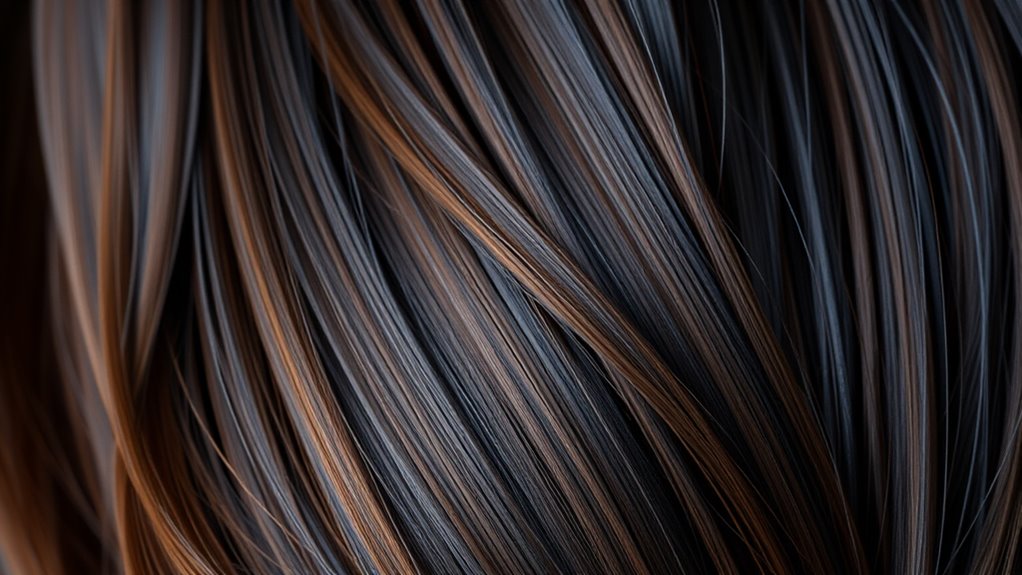
When you look at espresso hair color, you might wonder whether it’s black or brown. Espresso is a very dark brown shade, often mistaken for black, especially in low light or from a distance. However, it’s not pure black; subtle brown undertones give it depth and dimension that true black lacks.
This deep brunette shade sits between standard brown and jet black. It’s darker and bolder than typical brunette but less intense than black. Classified as a deep brunette with cool undertones, espresso hair offers a nuanced alternative to flat black hair.
When examined closely, the rich brown tones become apparent. This distinguishes espresso as a sophisticated, multi-dimensional color rather than simply black. Similar to espresso coffee, the richness and depth come from a precise extraction under high pressure, enhancing its complexity and intensity.
What Brown Undertones Give Espresso Its Signature Look?
You’ll notice that espresso’s signature look comes from a cool, ashy base balanced with warm red undertones.
Together, they create a rich, multi-dimensional effect.
Then, subtle gold highlights come into play, adding depth and brightness without overpowering the overall tone.
This precise blend is what gives espresso its smoky, sophisticated appearance—something that really sets it apart from standard browns or blacks.
Maintaining the correct water temperature between 195°F and 205°F is crucial to preserving these visual and flavor characteristics.
Warm Red Undertones
Although espresso is often seen as a deep, dark shade, its warm red undertones give it a rich, inviting depth that really defines its signature look. These undertones show up as subtle hints of mahogany or chestnut, which add vibrancy and stop espresso from feeling flat or too cool.
When you see it in natural light, there’s a gentle shimmer of warmth within the dark base. This adds dimension and gives the color a lively quality you mightn’t expect.
Those warm red hues balance out the espresso shade, making it multi-dimensional and more natural.
The color and flavor of espresso are best preserved with precise temperature control to prevent over- or under-extraction.
Subtle Gold Highlights
If you want espresso hair to truly stand out, incorporating subtle gold highlights is essential. These gold undertones introduce warmth and luminous depth to the cool, dark base, creating a multidimensional effect that enriches the espresso shade’s texture.
By strategically placing highlights or using balayage techniques, you blend warm hues seamlessly with the deep espresso, softening the overall appearance. This approach enhances vibrancy, making the dark color more inviting without overpowering its natural intensity.
The subtle gold accents balance the coolness, giving espresso hair a sophisticated, luminous signature look. When done right, these highlights elevate espresso from a flat dark tone to a rich, complex shade that commands attention with its nuanced brown undertones.
For maintaining the quality and vibrancy of espresso tones, it is crucial to use high-quality, freshly roasted beans and ensure proper preparation techniques.
Cool Ashy Base
How does espresso hair achieve its signature depth and sophistication? It’s all about the cool, ashy base that defines the shade’s unique character. This base neutralizes warm tones, preventing brassiness and preserving the rich depth essential to espresso.
You’ll notice brown undertones like hazelnut, chestnut, and chocolate subtly layered within, creating a multi-dimensional effect that adds complexity. These cool ash pigments balance the dark brown and near-black spectrum, producing a muted, smoky appearance.
This ashy influence crafts a sleek, velvety finish, giving espresso its refined, subdued look. When you choose espresso, you’re opting for a color that skillfully blends cool undertones with rich browns to maintain elegance and depth without overwhelming warmth or flatness.
How Lighting Changes the Look of Espresso Hair Color
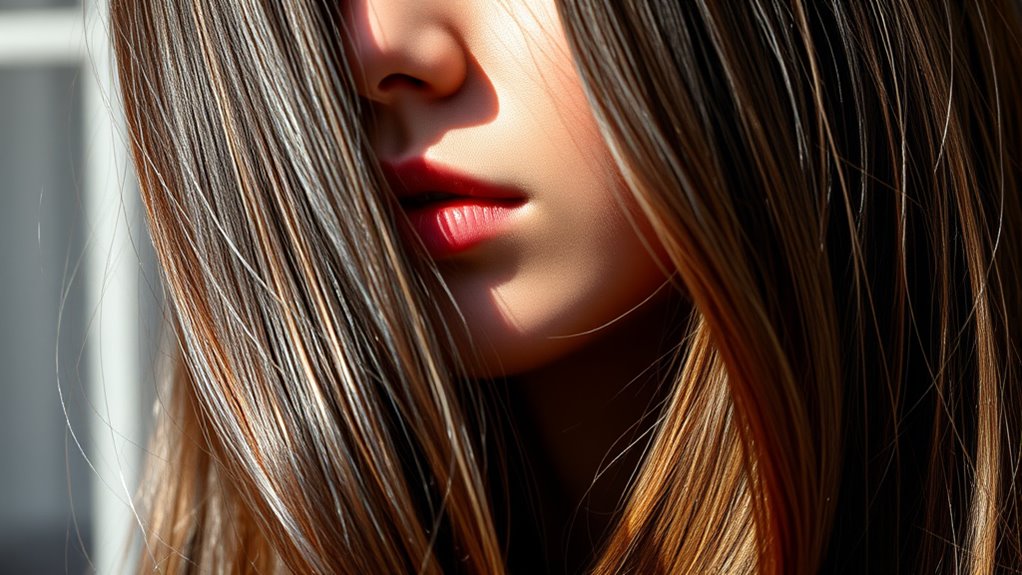
When you step into different lighting conditions, your espresso hair color can transform considerably. In low light, the shade often appears nearly black, masking its true depth.
Under bright, natural sunlight, you’ll notice rich brown undertones emerge, sometimes revealing subtle hints of red, gold, or chestnut.
Fluorescent lighting tends to dull the vibrancy, flattening the multidimensional nature of espresso tones.
Warm indoor lighting enhances the warm undertones, making your hair glow with richness.
On the other hand, cool lighting highlights ashier, cooler aspects.
Also, the angle and intensity of light affect how you see your espresso color, causing it to shift subtly throughout the day.
Understanding these variations helps you appreciate the complexity and dynamic nature of espresso hair.
It’s pretty fascinating how much lighting can change the look, right?
Similarly, just as extraction time influences the flavor profile of espresso, subtle changes can dramatically affect the perception of color in hair.
Espresso vs. Jet Black Hair Color: What’s the Difference?
Lighting reveals the subtle differences between espresso and jet black hair colors, helping you distinguish their unique qualities. Espresso shows deep brown shades with reddish or golden undertones, especially under direct light. Jet black, however, remains a pure, solid black with no visible undertones.
You’ll notice espresso’s multidimensional warmth contrasts with jet black’s uniform darkness. When dyeing, espresso demands precise dark brown hues with warmth or coolness, while jet black requires a flat, intense black shade. Additionally, espresso hair color features a natural glossy finish that adds a polished appearance and depth not typically seen in jet black tones, enhancing its multidimensional richness.
| Feature | Espresso | Jet Black |
|---|---|---|
| Base Color | Very dark brown | True black |
| Undertones | Warm or cool brown (red/gold) | None (pure black) |
| Light Reaction | Reveals brown undertones | Remains uniformly black |
| Color Depth | Multidimensional, deep brunette | Solid, flat black |
Where Espresso Fits in the Brunette Family
Although espresso often appears nearly black, it firmly belongs to the brunette family as a deep, dark shade with rich brown undertones. Positioned at the darker end of the brunette spectrum, espresso isn’t fully black but offers a cooler, more subdued alternative to traditional brunettes.
You’ll notice its multidimensional tones shift subtly in different lighting, revealing ashy or smoky brown undertones beneath the near-black surface.
This complexity gives espresso more depth and variation than solid black hair. When you choose espresso, you embrace a bold, elegant brunette shade that balances darkness with warmth.
It’s perfect if you want the intensity of black hair but with the natural richness and dimension that true brunette shades provide. Just as the depth of an espresso martini’s flavor depends on proper extraction and technique, the richness of espresso hair color relies on subtle tonal variations.
Popular Espresso Hair Color Variations to Know
You’ll find that espresso hair comes in several popular shades, each with its own unique tones and highlights to match different styles.
For example, there’s the warm richness of chocolate espresso brunette that gives a deep, cozy vibe. Then, you have the bright glow of hazelnut, which adds a lighter, sun-kissed touch. And don’t forget about the cool contrast of iced espresso, which brings a fresh, edgy feel to the look.
Knowing about these variations makes it easier to pick the perfect espresso shade that really complements your style. Interestingly, just like in coffee, the color and roasting process can greatly influence the final tone and depth of espresso shades.
Espresso Hair Shade Types
When exploring espresso hair shades, you’ll find a range of popular variations that bring distinct character and depth to this rich color. Each type offers unique undertones and highlights that enhance the base espresso hue. This means you can choose a style that best complements your features.
Consider these key espresso hair shade types:
- Chocolate Espresso Brunette: Deep chocolate tones with bright highlights for a glossy, multidimensional effect.
- Hazelnut Espresso Brunette: Warm, nutty highlights that add brightness and softness to the dark base.
- Iced Espresso Brunette: Cool-toned with frosted ash or platinum accents for a modern, edgy look.
- Classic Espresso: Rich, uniform dark brown with subtle cool undertones.
- Customized Espresso Shades: Tailored blends to suit individual skin tones and preferences.
These shades emphasize cool undertones, offering sophisticated and personalized espresso color options. They’re perfect if you want a look that’s both elegant and uniquely yours. Achieving the best results requires attention to precise dosing and tamping techniques, just like brewing quality espresso.
Popular Espresso Color Styles
Since espresso hair color offers rich depth and versatility, exploring its popular variations can help you find a style that perfectly suits your personality and complexion.
Chocolate espresso brunette highlights deep tones with bright, rich accents resembling dark chocolate, adding notable depth and shine.
Hazelnut espresso brunette introduces light, nutty highlights, creating a warmer and brighter overall appearance.
Iced espresso brunette delivers a frosted, cool-toned finish, lending an ultra-cool, sophisticated edge.
Each variation enhances multidimensionality and shimmer while preserving espresso’s characteristic deep, coffee-inspired essence.
By choosing among these styles, you can tailor your look to emphasize warmth, richness, or cool refinement.
This way, your hair color complements your features and personal style with precision and impact.
Despite the name, decaf espresso still contains small amounts of caffeine, which can subtly influence energy levels.
How to Choose Between Espresso and True Black Hair
Although espresso and true black hair colors may appear similar at first glance, choosing between them means understanding their distinct characteristics and the effect you want to achieve.
Espresso offers a dark brown shade with subtle reddish or golden undertones. This adds depth and warmth to your look.
True black delivers a flat, intense, and solid color with no undertones. It creates a bold, sleek appearance that really stands out.
Consider these factors when deciding:
Desire warmth and multidimensional depth? Then espresso is the way to go.
Prefer a dramatic, uniform black? Opt for true black instead.
Want subtle shimmer in natural light? Espresso excels at that.
Looking for a monochromatic, striking appearance? True black fits perfectly.
Are you aiming for a rich brunette tone or a pure black statement? Let this base choice guide you.
Your ideal look really depends on whether you want softness or intensity in your dark hair color. It’s all about what vibe you want to rock!
Maintenance Tips to Keep Your Espresso Hair Vibrant
To keep your espresso hair looking vibrant and rich, you’ll want to follow a maintenance routine that really protects your color and brings out its natural depth.
Use color-safe shampoos and conditioners made for dark hair to help prevent fading. It’s also a good idea to try cool-tone boosters like violet or blue shampoos to cancel out any brassy tones.
Try to wash your hair only 2-3 times a week, and rinse with lukewarm or cool water to keep the color from washing out too fast.
It’s best to schedule professional toning treatments every 6-8 weeks to keep that multidimensional espresso shade looking cool and fresh.
Don’t forget to apply deep conditioning and nourishing masks once a week. This helps keep your hair healthy, shiny, and supports longer-lasting color.
Following this routine will make sure your espresso hair stays rich, sophisticated, and full of life.
Why Espresso Hair Color Works for Many Skin Tones
When you choose espresso hair color, you’re going for a shade that beautifully enhances a wide range of skin tones. It has a deep, dark brown base combined with both cool and warm undertones. This mix makes espresso super versatile and a popular choice.
It works well with everything from fair to deep complexions. The cool undertones create a nice contrast with golden skin, giving your face a natural radiance. Plus, the ashy hints add dimension to cooler skin tones without any clashing.
On the other hand, the subtle brown and red undertones blend perfectly with warm skin hues. And the multidimensional shine? It adds a sophisticated touch that flatters pretty much everyone. That’s why espresso is such a go-to color!
Frequently Asked Questions
Can Espresso Hair Color Damage My Hair?
Yes, espresso hair color can damage your hair, especially if you use harsh chemicals or bleach beforehand. It’s really important to be careful with the process.
You should consider getting it done by a professional. They know how to minimize damage and make sure the color comes out just right.
Also, following up with deep conditioning treatments can help a lot. It reduces dryness, breakage, and even scalp irritation. Taking these steps can make a big difference!
How Long Does Espresso Hair Color Typically Last?
Espresso hair color can last up to eight weeks. But semi-permanent shades tend to fade faster, usually within four to six weeks. It’s kind of like a delicate treasure you want to protect.
Using color-safe products and gentle care helps you keep that rich tone longer. So, if you want your espresso color to stay vibrant, be sure to treat your hair with a little extra love.
Is Espresso Hair Color Suitable for Gray Hair Coverage?
Yes, espresso hair color suits gray coverage well. It blends grays with rich, cool tones, neutralizing brassiness. You’ll need professional application and regular touch-ups to maintain even, vibrant coverage and prevent fading.
It’s a great choice if you want a natural, sophisticated look that hides gray hairs without being too harsh. Just keep in mind that keeping the color fresh takes a bit of effort. But the results are definitely worth it!
Can I Achieve Espresso Color at Home, or Is a Salon Needed?
You can try achieving espresso color at home, but for true depth and multidimensional tones, a salon’s expertise and professional formulas guarantee the best, most natural results.
DIY kits often lack precision and lasting vibrancy. So, while it’s possible to do it yourself, the results might not be exactly what you’re hoping for.
If you want that rich, flawless finish, visiting a salon is definitely the safer bet. They know how to get the color just right and keep it looking fresh longer.
What Hair Care Products Enhance Espresso Color Vibrancy?
To keep your espresso color vibrant, use color-safe shampoos, cool-toned boosters, and color-enhancing glosses. Don’t forget deep conditioners and washing less often with cool water. You’ll keep your hair looking fresh as a daisy.
Conclusion
Now that you know espresso hair color isn’t just black or brown but a rich blend with subtle undertones, you might wonder which shade truly suits you. The secret lies in how lighting and undertones reveal espresso’s depth, setting it apart from jet black.
Before deciding, consider your skin tone and maintenance commitment. Choosing espresso means embracing a dynamic, sophisticated look that’s anything but ordinary. Ready to make the switch?