Espresso contains less than one gram of natural sugar per shot, mostly from the coffee beans but changed during roasting. The roasting process caramelizes sugars and causes reactions that affect how sweet it tastes.
Even so, espresso often comes off as bitter because darker roasts cut down the sugar content. Plus, the brewing pulls out bitter compounds too.
Whether you add sugar really depends on your taste and tradition. Some people like the balance it brings, while purists prefer the flavor just as it is.
Looking into these factors helps explain why the sweetness of espresso is actually pretty complex.
What Is the Natural Sugar Content in Espresso?
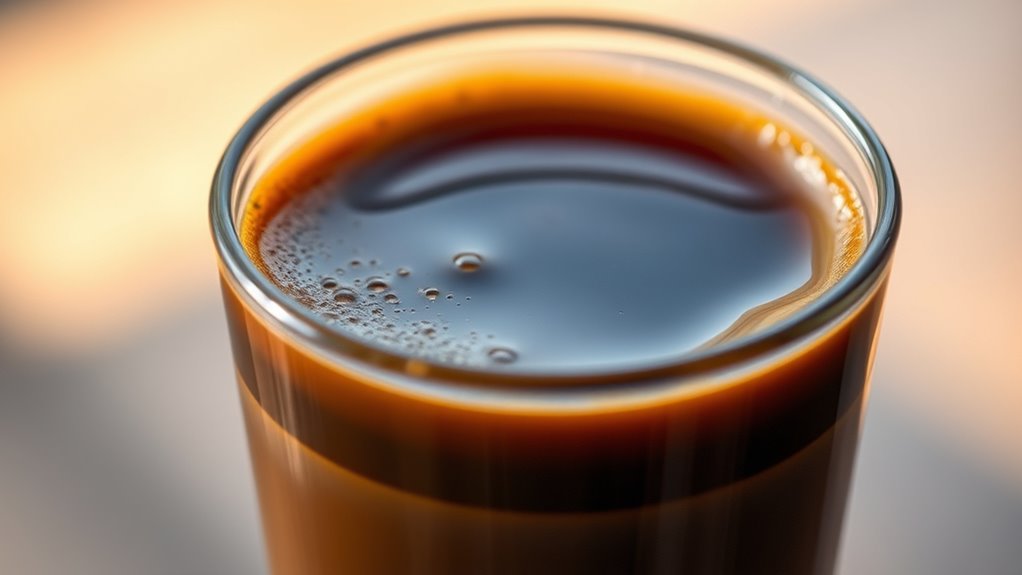
Although espresso contains some natural sugars, their amount is minimal, typically less than 1 gram per shot. You should know these sugars come mainly from the coffee beans but are mostly transformed during roasting.
Espresso contains minimal natural sugars, mostly from beans and largely altered during roasting.
The sugar content in your espresso can vary depending on the bean variety, roast level, and brewing method, but it stays low overall.
Light roasts keep more of the original sugars and fruity notes. Dark roasts have fewer leftover sugars because of the longer caramelization process.
Interestingly, the sweetness you taste in espresso isn’t really from these tiny amounts of natural sugars.
Instead, it comes from the caramelized sugars that develop during roasting.
Moreover, the roast profile adjustments used for espresso help enhance these caramelized flavors and the overall sweetness perception.
How Roasting Develops Espresso’s Sweetness
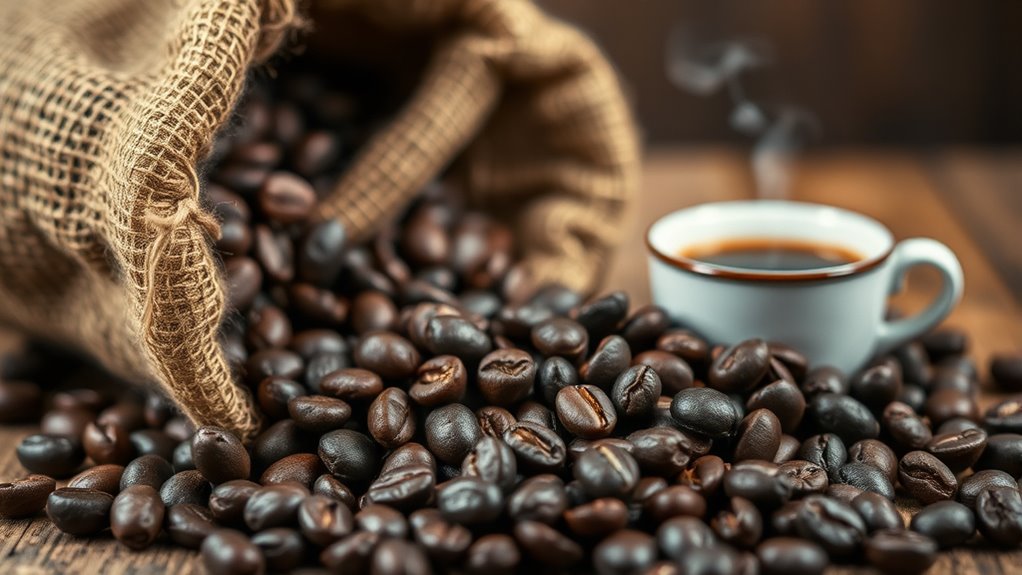
When coffee beans roast, the sugars inside them go through caramelization and other complex chemical reactions that directly affect the sweetness you taste in espresso. Caramelization breaks down sugars, creating natural sweetness. At the same time, the Maillard reaction between amino acids and sugars adds flavor complexity and further develops sweetness.
Lighter roasts keep more of the original sugars, which gives you a brighter, sweeter profile. On the other hand, darker roasts break down sugars more completely, often reducing natural sweetness and pushing the flavor toward bitterness.
The key is proper roasting that balances these reactions to maximize sweetness without losing other flavor elements.
Knowing how this works helps you understand how the roasting level and technique shape the natural sugars and overall sweetness you experience in your espresso. Additionally, understanding the impact of sweetened syrups and sugars is important since added sugars can significantly increase the overall sweetness and calorie content of espresso-based drinks.
Why Does Espresso Taste Bitter Despite Natural Sugars?
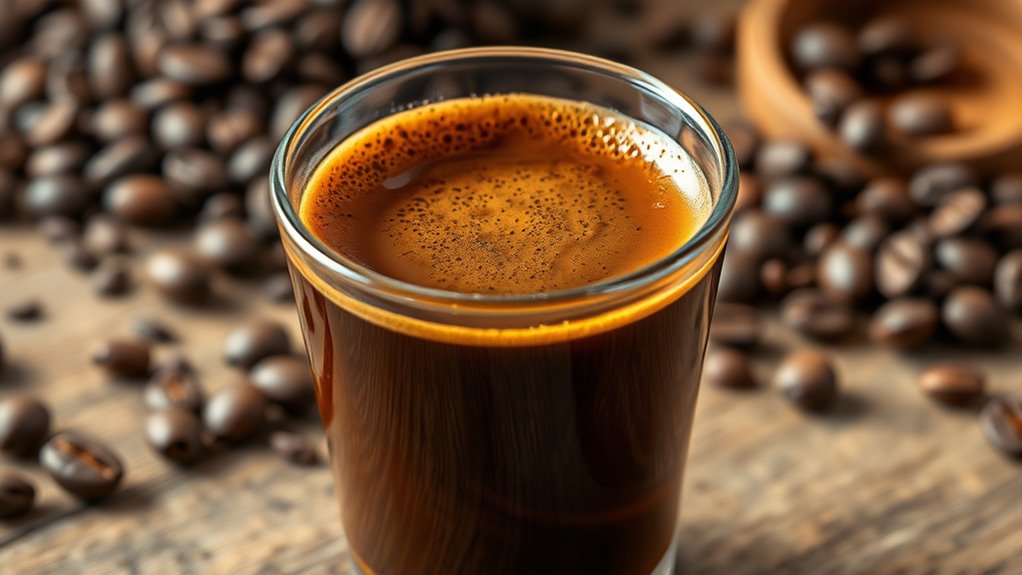
Even though espresso contains natural sugars developed during roasting, you often encounter bitterness because the brewing process extracts a wide range of compounds beyond just sugars. Over-extraction pulls tannins and chlorogenic acids, which intensify bitterness. Dark roast beans amplify this effect as roasting breaks down sugars and forms more bitter compounds.
Proper technique, like controlling grind size and extraction time, can emphasize sweetness by limiting bitter compound extraction. Here’s a breakdown of factors influencing espresso’s taste:
| Factor | Effect on Taste |
|---|---|
| Natural Sugars | Adds sweetness |
| Over-extraction | Increases bitterness |
| Dark Roasting | Reduces sugar, boosts bitter notes |
| Brewing Technique | Balances sweetness and bitterness |
Understanding these helps you optimize brewing to reduce bitterness despite espresso’s natural sugars. A thick, persistent crema layer also helps balance bitterness and enhance the overall flavor experience.
Espresso Flavors That Pair Best With Sugar
If you want to enhance specific flavor profiles in espresso, adding sugar can be a smart move. Coffees with nutty, chocolaty, or slightly bitter notes really benefit from sugar’s ability to deepen richness and balance out bitterness.
When you come across high-acidity espressos with floral or fruity characteristics, sugar helps smooth the sharpness. This results in a more harmonious taste that’s easier on the palate.
Medium or dark roasts usually have caramelized flavors, and sugar pairs well with these to bring out their natural sweetness.
Single-origin espressos from places like Colombia or Brazil often have flavor notes like cocoa, vanilla, and roasted nuts. Sugar can help highlight these flavors even more.
Plus, complex and layered espresso profiles become clearer when you add sugar. It accentuates specific nuances without taking over the overall balance.
For an even richer experience, pairing sugar with espresso powder can enhance both the coffee and chocolate notes in your recipes, adding flavor complexity and depth.
Traditional Italian Ways to Add Sugar to Espresso
When you add sugar to espresso the traditional Italian way, you’re actually following a ritual that’s been around for ages. It helps smooth out the bitterness in a really natural way.
You’ll see the sugar settle right on top of the crema. This not only enhances the flavor but also creates a nicely balanced bittersweet taste.
Usually, you use about half a teaspoon. It’s a simple, precise method that keeps your espresso sweetened just the authentic way Italians have done it for years.
Historical Sugar Addition Ritual
Although modern espresso culture often emphasizes purity of flavor, the traditional Italian ritual of adding sugar remains deeply rooted in history. Sugar, historically a luxury imported from the East, became integral to Italian coffee customs, primarily to counterbalance espresso’s natural bitterness.
You typically add a small spoonful of sugar, letting it settle into the crema before taking your first sip. This process not only softens the taste but also creates a distinctive “smiling” crescent shape on the crema, regarded as a hallmark of an authentic, well-prepared espresso.
Despite contemporary trends favoring espresso without additives, many Italians still uphold this practice daily. It really reflects a cultural continuity that links past luxury status and taste preferences to present-day espresso consumption. Maintaining the correct extraction time is essential to developing the balanced flavor and crema that make this sugar ritual so effective.
Sugar’s Flavor Enhancing Role
The traditional Italian habit of adding sugar to espresso does more than soften bitterness; it actively shapes the flavor profile you experience. When you add sugar directly to the cup, it sinks and forms a distinctive crescent on the crema, signaling its integration.
This practice balances the espresso’s inherent bitterness while enhancing its subtler nutty and chocolaty notes.
By doing so, sugar doesn’t mask flaws but harmonizes the espresso’s complex flavors, making the drink more enjoyable.
Historically, Italians used sugar to make intense, robust espressos more palatable without diluting their character.
When you follow this tradition, you engage in a flavor-enhancing ritual that personalizes your espresso, highlighting its authentic qualities rather than covering them up.
It’s a simple step that really brings out the best in your coffee.
In fact, combining espresso with other elements like ice and shaking it vigorously can further enhance texture and flavor through aeration and emulsification.
Traditional Espresso Sweetening Method
How exactly do Italians sweeten their espresso to enhance without overpowering? They add a small spoonful of sugar to a pre-warmed cup before pouring the espresso. The sugar settles into the crema, creating a distinctive crescent shape, often called the “smiling.”
This visual cue marks the slow dissolution of sugar, gently blending sweetness into the coffee. Italians typically sip the espresso first to appreciate its pure, complex flavors, then stir to adjust sweetness if desired.
This method emphasizes balance, preserving the espresso’s natural profile while allowing personalized sweetness.
Rooted deeply in Italian culture, this ritual reflects a precise, deliberate approach to espresso enjoyment. It reinforces both flavor appreciation and a daily coffee ceremony.
It’s a simple yet thoughtful way to enjoy espresso that respects tradition and taste.
How Much Sugar Should You Add to Espresso?
When adding sugar to espresso, you should aim for about ½ to 1 teaspoon per shot, roughly 24 grams, to preserve the coffee’s natural flavors and complexity. Adding more than this can overpower the espresso, masking its nuanced taste and increasing calorie intake unnecessarily.
Traditional methods suggest a small spoonful, which balances sweetness without overwhelming the crema.
| Sugar Amount | Effect on Flavor |
|---|---|
| ½ teaspoon (12g) | Subtle sweetness, preserves depth |
| 1 teaspoon (24g) | Balanced sweetness, traditional |
| >1 teaspoon (>24g) | Overpowers flavor, high calories |
Stick to moderate sugar levels to enjoy espresso’s full profile while controlling health impacts. It really helps you get the best of both worlds—flavor and health.
Why Do Some Baristas Criticize Adding Sugar?
You might notice that a lot of baristas stick to strict cultural norms that favor serving espresso without sugar. They do this because they want to highlight the coffee’s natural flavors. It’s kind of about keeping things pure and traditional.
This idea is tied closely to how people think about quality and tradition in coffee. When sugar gets added, some see it as a sign that the beans or brewing methods mightn’t be up to par. Additionally, espresso’s flavor profile is often enhanced by using dark roasts and Robusta beans, which contribute boldness and bitterness that sugar might mask.
Barista Cultural Norms
Although adding sugar to espresso is common for many drinkers, numerous North American baristas criticize this practice as a sign of poor quality or lack of sophistication. They often see sugar as masking the espresso’s natural profile rather than enhancing it.
When you order sugar, some baristas may interpret it as undermining their craft.
Their cultural norms emphasize serving espresso pure, focusing on these aspects:
- Preserving the espresso’s natural flavors without additives.
- Upholding a craft-focused standard of beverage preparation.
- Viewing sugar as an unnecessary alteration that diminishes quality.
- Differentiating their approach from more permissive, tradition-based practices.
Understanding this helps you appreciate why some baristas react strongly against sugar in espresso. It’s really about respecting the process and the flavors they work hard to bring out. Additionally, the flavor strength per sip of espresso is maintained without sugar, allowing the natural complexity to shine through.
Quality and Tradition
Baristas who reject adding sugar to espresso often base their stance on preserving quality and honoring tradition. They argue that sugar masks the coffee’s true flavor and complexity, preventing you from fully appreciating its natural bitterness and acidity.
This viewpoint aligns with traditional Italian standards, where pure, unaltered espresso holds cultural and sensory significance.
Many see adding sugar as a deviation that compromises the integrity of a high-quality espresso. They associate it with a less refined experience.
However, this criticism mostly reflects cultural preferences rather than objective quality measures.
While you might view sugar as diminishing espresso’s authenticity, many experts recognize that sweetening espresso is a personal choice. It doesn’t inherently degrade its quality or craftsmanship within professional contexts.
Understanding how roast levels affect flavor can help clarify why some prefer espresso without added sweetness.
Coffee Purism Debate
While adding sugar to espresso remains a personal choice, many North American coffee professionals criticize the practice as a sign of poor taste or a lack of appreciation for the beverage’s natural complexity. This criticism comes from a cultural belief that true espresso should be consumed unaltered, highlighting its bitterness and nuanced flavors.
Baristas often see adding sugar as something only amateurs do, or as disrespect for the craftsmanship behind espresso. You’ll hear these key points in the coffee purism debate:
- Espresso’s complexity should be experienced without masking sweetness or bitterness.
- Adding sugar suggests a lack of sophistication or understanding.
- Purists want people to appreciate espresso in its pure form.
- Critics think sugar undermines the barista’s skill and tradition.
At the end of the day, it’s really about different philosophies. There aren’t any absolute rules here. Additionally, the roast level of the beans significantly impacts espresso flavor, which some purists argue should be fully appreciated without sweetening.
How to Enjoy Espresso’s Flavor Without Sugar
When you savor espresso slowly, its complex flavors unfold and reveal subtle natural sweetness without adding sugar. To enhance this, choose high-quality, single-origin beans that naturally exhibit fruity or nutty notes.
Proper brewing is essential; adjusting grind size and extraction time ensures maximum sugar extraction while minimizing bitterness.
Medium roast levels often strike the best balance of sweetness and acidity, so experiment within this range to find your preference.
Also, cleanse your palate with water between sips to better distinguish the espresso’s nuanced flavors.
These deliberate choices and techniques let you appreciate espresso’s inherent sweetness objectively.
This way, you can reduce your reliance on added sugar and fully experience the beverage’s flavor profile.
Give it a try and see how much more you enjoy your espresso!
Balancing Bitterness and Sweetness in Espresso Shots
Because espresso’s flavor hinges on a delicate interplay between bitterness and sweetness, controlling extraction variables is essential to achieve balance. You can enhance natural caramelized sugars in your shot by fine-tuning these factors. Over-extraction intensifies bitterness, while under-extraction causes sourness. Both of these disrupt how we perceive sweetness.
To balance bitterness and sweetness, focus on a few key things. First, adjust the grind size to get the ideal extraction speed. Then, regulate brewing time so you don’t over- or under-extract. Also, keep your water temperature consistent to pull out the right compounds. Lastly, try selecting single-origin beans with nutty, chocolaty, or fruity notes for a more balanced flavor.
Frequently Asked Questions
Does Espresso Contain Artificial Sweeteners or Additives?
Espresso doesn’t naturally contain artificial sweeteners or additives. You’ll only find them if added intentionally or in pre-packaged blends.
If you want to avoid these, choose freshly brewed, unflavored espresso. Also, make sure to check product labels carefully.
Can Espresso Sugar Content Affect Blood Sugar Levels?
Yes, added sugar in espresso can raise your blood sugar levels considerably, especially if you consume multiple sweetened shots.
Plain espresso has negligible sugar and minimal impact, but added sweeteners cause rapid glucose spikes. So, it’s really the sugar you add that makes the difference here.
If you’re watching your blood sugar, it’s a good idea to go easy on those sugary espresso drinks.
How Does Espresso Sugar Compare to Sugar in Other Coffee Drinks?
Wondering how espresso sugar compares to other coffee drinks? You’ll find espresso has much less sugar since you control the amount added.
It’s different from sweetened lattes or frappés, which often pack over 30 grams per serving. So, with espresso, you can keep things simple and less sweet if you want.
Pretty handy if you’re watching your sugar intake, right?
Is Sugar-Free Espresso Better for Weight Loss?
Yes, sugar-free espresso supports weight loss by minimizing calorie intake and avoiding blood sugar spikes. You’ll benefit from its low sugar content, making it a more effective choice than sweetened coffee drinks for managing weight.
It’s a simple swap that can really make a difference if you’re watching your weight. Plus, it still gives you that rich coffee flavor without the extra sugar rush. So, next time you’re picking a coffee, go sugar-free for a smarter, lighter option.
What Types of Sugar Are Best to Add to Espresso?
You’ll find granulated sugar dissolves easily, and powdered sugar offers smooth sweetness. Raw sugars like turbinado add richer flavors that some people really enjoy.
Alternatives like honey or agave introduce complexity to your espresso. So, it really depends on the flavor profile you prefer. Give a few a try and see what suits your taste best!
Conclusion
You might assume espresso’s natural sugars make it sweet, but the truth is more complex. Despite its inherent sugars developed through roasting, bitterness often dominates your palate. Adding sugar changes this balance, but baristas still debate if it affects authenticity.
Before you decide, why not explore espresso’s flavors without sweeteners? There’s a nuanced world waiting to challenge what you expect.
So, will you embrace espresso as it is, or change it to suit your taste? The choice is yours.