You get about 75 mg of caffeine in one shot of Starbucks espresso. Blonde Roast shots have slightly more, around 80 mg, because the lighter roast retains more caffeine.
Double shots pack roughly 130 to 150 mg, which really boosts your caffeine intake. Keep in mind, things like bean type, grind size, and how the espresso is extracted can change these amounts.
Also, the serving size plays a big role in the total caffeine in your drink. Knowing these details helps you manage your caffeine better and see how Starbucks espresso stacks up across different varieties and other chains.
How Much Caffeine Is in One Shot of Starbucks Espresso?
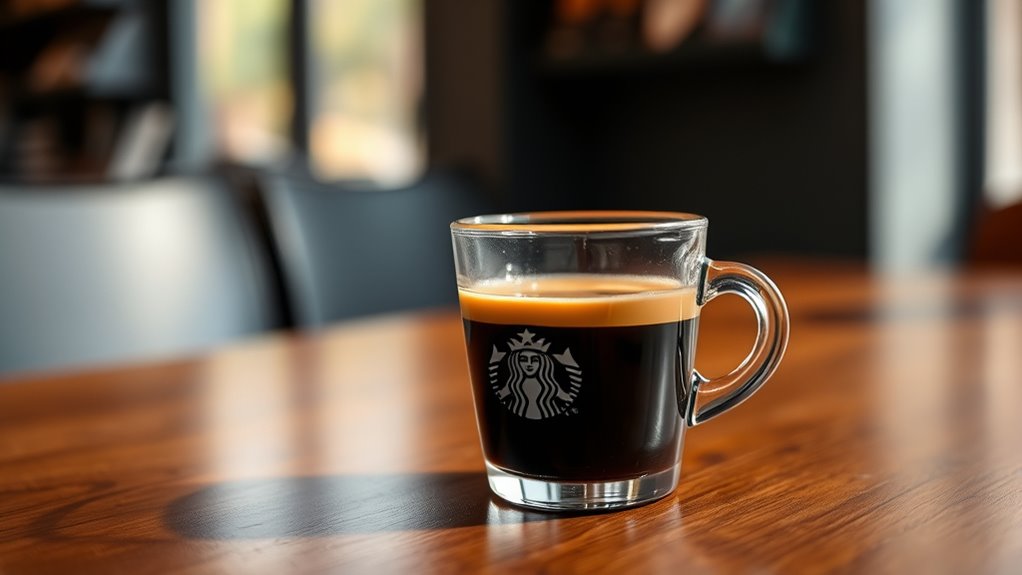
One shot of Starbucks espresso typically contains about 75 mg of caffeine, though this amount can vary based on the blend used.
A single shot of Starbucks espresso usually contains around 75 mg of caffeine, varying by blend.
For example, the Blonde Roast espresso shot contains roughly 80 mg of caffeine, which is slightly higher than the standard. This variation comes from factors like bean type, roast level, and grind size, all of which affect how much caffeine is extracted.
Lighter roasts like Blonde Roast keep more caffeine because they’re roasted for a shorter time. Darker roasts tend to have a bit less caffeine.
So, when you order a single shot, expect around 75 mg, but know that specific blends can change this number by a few milligrams.
Understanding these details can help you get a better idea of your caffeine intake when choosing your espresso shot. It’s pretty handy if you’re keeping an eye on how much caffeine you consume.
Keep in mind that the extraction ratio also influences the caffeine concentration and strength of each espresso shot.
How Does a Double Shot of Starbucks Espresso Compare?
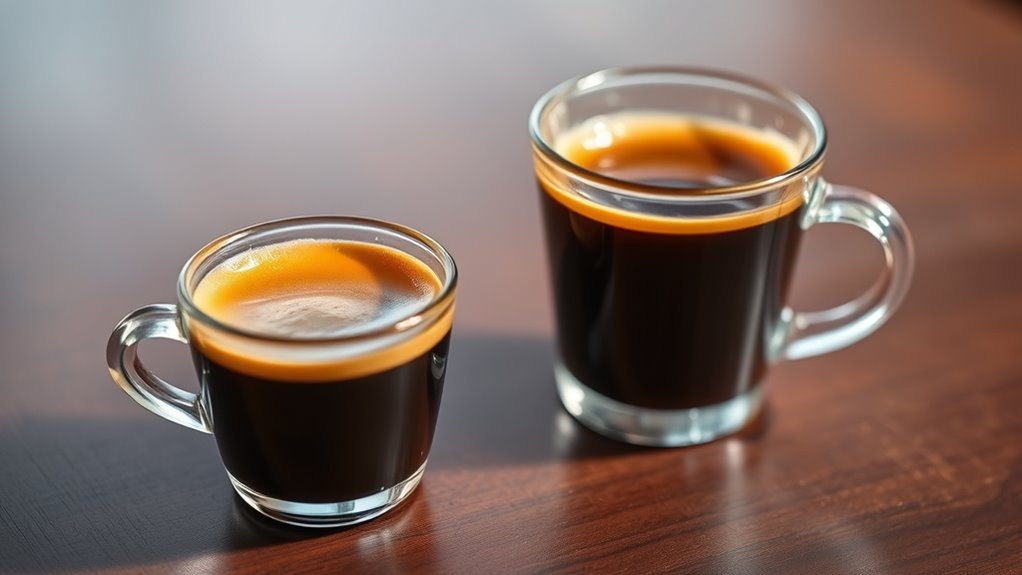
When you order a double shot of Starbucks espresso, you’re getting about 150 mg of caffeine. That’s roughly one-third more than the 75 mg you’d find in a single shot.
It’s kind of like getting the same amount of caffeine as an 8 oz brewed coffee, but in a much more concentrated and quicker way.
Knowing this can help you understand why a double shot might give you a stronger boost in alertness and energy compared to just a single shot.
The caffeine content can vary depending on factors like bean type and roast level, which influence the total caffeine delivered in each shot.
Caffeine Content Comparison
A double shot of Starbucks espresso delivers roughly 130 to 150 mg of caffeine, which is about 1.5 times the amount found in a single shot’s 80 mg.
This increase results from the additional espresso extraction, which adds approximately 50-70 mg more caffeine depending on the beans and roast.
When comparing the two, you get a markedly stronger caffeine boost with a double shot.
That’s why it’s popular in larger drinks like lattes and cappuccinos.
Key points to contemplate:
- A single shot contains about 80 mg of caffeine.
- A double shot ranges between 130 and 150 mg.
- The caffeine content variation depends on bean type and roast.
This comparison highlights how the double shot elevates caffeine intake efficiently.
It’s a simple way to get more of that caffeine kick when you need it.
Factors such as bean type and extraction time can further influence the caffeine content in your espresso.
Effects Of Double Shot
Although a double shot of Starbucks espresso contains about 150 mg of caffeine, roughly one-third more than a single shot, it delivers its caffeine more rapidly because of the espresso brewing process. This quick extraction means you feel the stimulant effects sooner compared to brewed coffee, even though the caffeine content is similar.
When you choose a double shot, especially in larger drinks like lattes or cappuccinos, you significantly increase your caffeine intake in a small volume.
But the overall impact really depends on your individual sensitivity and how fast you drink it.
If you drink it quickly, the effects might be more noticeable and immediate.
Understanding this can help you manage your caffeine intake better and adjust your espresso consumption to match your tolerance and energy needs.
The caffeine content and extraction speed can also be influenced by factors like roast level and grind size, which affect the strength and flavor of the espresso shot.
Caffeine Content in Starbucks Espresso-Based Drinks
You’ll find that a single Starbucks espresso shot contains about 75 mg of caffeine. Blonde Roast shots are a bit higher, coming in at around 80 mg.
When these shots are combined in popular drinks like lattes or cappuccinos, the caffeine usually ranges from 75 to 150 mg per serving.
And if you go for a larger size, like a Venti, the caffeine can add up to as much as 300 mg because they use multiple shots.
The flavor and strength of each shot can be influenced by the espresso extraction ratio, which affects how concentrated the caffeine and other compounds are in the final cup.
Espresso Shot Caffeine
Because caffeine content influences your energy boost, understanding how much caffeine is in Starbucks espresso shots helps you make informed choices.
A single shot typically contains about 75 mg of caffeine, while a double shot nearly doubles that to 150 mg.
Importantly, Starbucks Blonde Roast espresso shots have a slightly higher caffeine content, around 80 mg per shot. These differences come from the specific blend and preparation methods.
When you order espresso-based drinks, the caffeine primarily comes from one or two shots. So, knowing the exact caffeine amount per shot is essential.
Key points to consider:
- Single shot: ~75 mg caffeine
- Double shot: ~150 mg caffeine
- Blonde Roast shot: ~80 mg caffeine
This precise information helps you tailor your caffeine intake effectively.
Keep in mind that the extraction time and method used to pull the espresso shot can also influence its flavor and strength.
Popular Drink Caffeine
How much caffeine do your favorite Starbucks espresso-based drinks actually contain? A standard single shot of Starbucks espresso packs about 75 mg of caffeine. A double shot doubles that to roughly 150 mg.
If you opt for the Blonde Roast espresso, expect around 80 mg per shot, which is slightly higher than other roasts.
When you order popular drinks like a Grande Latte or Cappuccino, which typically include a double shot, you’re consuming approximately 150 mg of caffeine just from the espresso.
Keep in mind, the caffeine content varies mainly based on the number of espresso shots and the roast type.
Understanding these details helps you manage your caffeine intake accurately when choosing your go-to Starbucks espresso-based beverage.
Remember, the coffee-to-water ratio used in espresso brewing contributes to its concentrated caffeine content.
Why Serving Size Matters for Caffeine in Starbucks Espresso
Although a single Starbucks espresso shot contains about 75 mg of caffeine, the total caffeine content in your drink depends heavily on its serving size. The size you choose dictates how many espresso shots go into your beverage, directly influencing your caffeine intake.
A single espresso shot has 75 mg caffeine, but total caffeine varies with your drink’s serving size.
For example, larger drinks like Venti or Trenta include multiple shots, multiplying the caffeine amount accordingly.
This means that while each shot delivers a consistent caffeine dose, your total consumption can vary widely depending on the serving size.
- Serving size controls the number of espresso shots added.
- Larger sizes substantially increase total caffeine.
- Perceived strength relates to shot quantity, not concentration.
Understanding this helps you manage your caffeine intake more accurately. It’s a simple way to keep track of how much caffeine you’re really getting. Additionally, factors like extraction temperature can influence the flavor and quality of each shot, even if caffeine content remains consistent.
How Starbucks Blonde Roast Espresso Stacks Up on Caffeine
When considering caffeine content, Starbucks Blonde Roast espresso stands out with approximately 80 mg of caffeine per shot. That’s slightly higher than the standard 75 mg found in darker roasts. This lighter roast retains more caffeine, making it the strongest espresso option Starbucks offers.
You’ll find its caffeine level aligns closely with other premium espresso brands, ensuring a robust caffeine boost without increasing volume. Here’s a clear comparison:
| Espresso Type | Caffeine per Shot (mg) | Roast Profile |
|---|---|---|
| Blonde Roast | 80 | Light |
| Signature Espresso | 75 | Dark |
| Decaf Espresso | 15 | Dark |
| Other Premium Brands | 75-85 | Various |
This data confirms Blonde Roast’s edge in caffeine content among Starbucks espressos. Achieving the perfect balance of caffeine and flavor also depends on factors like grind size and extraction time, which influence the final taste and strength of the espresso.
Starbucks Espresso vs. Other Coffee Types: Caffeine Comparison
While a standard shot of Starbucks espresso delivers about 80 mg of caffeine, you should know it contains less caffeine than an 8 oz brewed coffee or a tall cold brew, which can exceed 200 mg. The caffeine content varies by coffee type and how fast you drink it, which changes your experience.
For example, a double shot of espresso packs roughly 150 mg, which is similar to a small brewed coffee. But since you usually drink espresso quickly, the effect feels stronger.
Consider these key points:
- Starbucks espresso uses Arabica beans, which generally have less caffeine than the Robusta beans used elsewhere.
- An 8 oz brewed coffee typically has more caffeine per serving than a single espresso shot.
- Tall cold brew beats espresso in caffeine, often going over 200 mg per serving.
Knowing these differences helps you pick your coffee based on how much caffeine you want and what flavors you like. The caffeine content depends primarily on the serving volume rather than concentration, making total intake a matter of how much you drink.
How Starbucks Espresso Caffeine Compares to Other Coffee Chains
If you want to compare caffeine levels across popular coffee chains, Starbucks espresso shots contain about 80 mg of caffeine. This is generally on the lower end compared to competitors.
Dunkin’ Donuts espresso shots typically deliver around 100 mg, while Costa Coffee’s shots can range from 100 to 130 mg, depending on the blend and size.
McCafé and Tim Hortons offer caffeine amounts per shot similar to Starbucks, though Starbucks often has slightly less caffeine in a single shot.
However, when you consider espresso-based drinks, Starbucks’ total caffeine content aligns more closely with these chains because of larger serving sizes.
This data suggests Starbucks prioritizes a balanced caffeine profile per shot. It may appeal to those who prefer moderate caffeine levels without sacrificing flavor.
What Affects Caffeine Levels in Starbucks Espresso?
Understanding why caffeine levels vary in Starbucks espresso shots requires looking at a few important factors. The caffeine content mostly depends on the type of coffee bean, the roast level, and how the espresso is brewed.
For example, Robusta beans have more caffeine than Arabica beans, which changes the base caffeine amount.
Also, lighter roasts like Blonde keep a bit more caffeine compared to darker roasts, and this impacts the final shot you get.
Things like grind size and how long the espresso is extracted matter too. Using finer grounds and pulling the shot quickly can help maximize caffeine.
So, the main factors that affect caffeine levels include the coffee bean variety (Robusta vs. Arabica), the roast level (Blonde vs. Dark Roast), and brewing details like grind size, extraction time, and pressure.
All these come together to determine exactly how much caffeine is in each Starbucks espresso shot.
Frequently Asked Questions
Does Caffeine Content Vary by Starbucks Espresso Bar Location?
You won’t see significant caffeine variation by Starbucks espresso bar location because they standardize beans, roasting, and brewing.
Minor differences might occur due to machine calibration, but overall, caffeine content per shot stays consistently around 75-80 mg. So, no matter where you grab your espresso, you’re pretty much getting the same caffeine kick.
How Quickly Does Caffeine From Starbucks Espresso Affect the Body?
Caffeine from Starbucks espresso typically starts affecting you within 15 minutes, peaking between 30 to 60 minutes.
Your metabolism, weight, and tolerance influence this timing, so your alertness boost may vary accordingly. It’s pretty normal for people to feel the effects differently depending on these factors.
Are There Decaf Espresso Options Available at Starbucks?
You’ll find decaf espresso at Starbucks, crafted to deliver rich flavor with just a whisper of caffeine, about 15-30 mg per shot.
It’s a scientifically refined option for those seeking minimal stimulation. So, if you want the taste without the buzz, decaf espresso has you covered.
Can Espresso Shots Be Customized to Alter Caffeine Levels?
Yes, you can customize espresso shots at Starbucks to alter caffeine levels by requesting more or fewer shots. Baristas adjust the amount accordingly, allowing you to control your caffeine intake precisely based on your preference.
It’s pretty simple to ask for what you want, and they’re usually happy to help. So, whether you need an extra boost or want to cut back, just let them know!
What Are the Health Effects of Consuming Starbucks Espresso Daily?
You’ll gain improved alertness from daily Starbucks espresso, but beware tolerance buildup and potential side effects like insomnia or anxiety.
Staying under 400 mg caffeine daily keeps risks low, though heart conditions require careful monitoring. Just keep an eye on how your body reacts over time. It’s all about balance and listening to yourself.
Conclusion
When you sip a single shot of Starbucks espresso, you’re getting about 75 mg of caffeine. That’s actually more than a typical brewed coffee cup. Knowing this can help you manage your caffeine intake more precisely.
Especially since a double shot doubles that amount. It’s pretty straightforward, right? Also, keep in mind that the serving size and the type of espresso, like the Blonde Roast, can significantly impact caffeine levels.
So, by knowing these facts, you can make smarter choices that suit your energy needs. You won’t have to worry about overdoing it. It’s all about finding the right balance for you.
Pingback: What Is An Espresso Shot – Explained
Pingback: Does Espresso Have More Caffeine Than Coffee – Answered
Pingback: Does Cutwater Espresso Martini Have Caffeine – Answered