You get espresso by forcing hot water through finely ground coffee at high pressure. This produces a strong, concentrated shot with bold flavor and crema. It’s a quick, intense coffee experience.
Cappuccino builds on espresso by adding equal parts steamed milk and creamy microfoam. This softens the intensity and gives it a velvety texture. So, it’s a bit lighter and creamier than straight espresso.
Both offer similar caffeine but deliver different taste experiences. The right equipment and technique shape these differences. Knowing them helps you pick the perfect coffee for any mood or moment.
How Is Espresso Brewed?
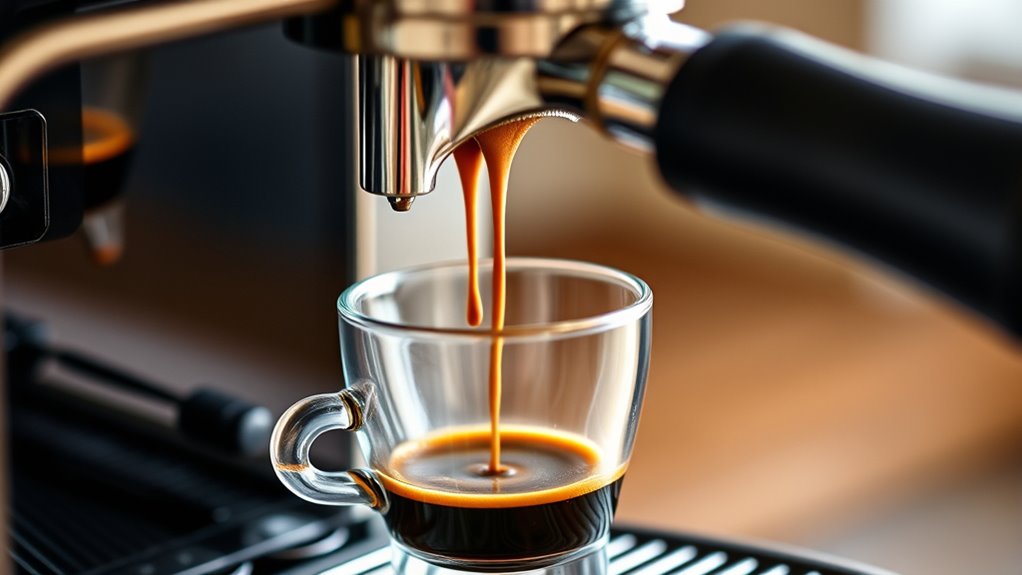
When you brew espresso, you force hot water heated to about 195-205°F through finely ground coffee under intense pressure, around 9 bars or 130 PSI. This pressure is generated by a specialized espresso machine using either a pump or lever.
Before brewing, you tamp the coffee grounds evenly into a portafilter, making sure everything is packed just right. This helps ensure a uniform extraction.
The whole process takes roughly 25-30 seconds. What you get is a concentrated shot with a bold flavor and thick consistency.
On top, a rich crema forms, which really enhances both aroma and texture. This precise combo of temperature, pressure, and timing is key to pulling out the full character of the coffee.
That’s what gives you the signature espresso experience you enjoy. Proper puck preparation and dialing-in are essential for consistent, high-quality shots.
What Makes a Cappuccino Different?
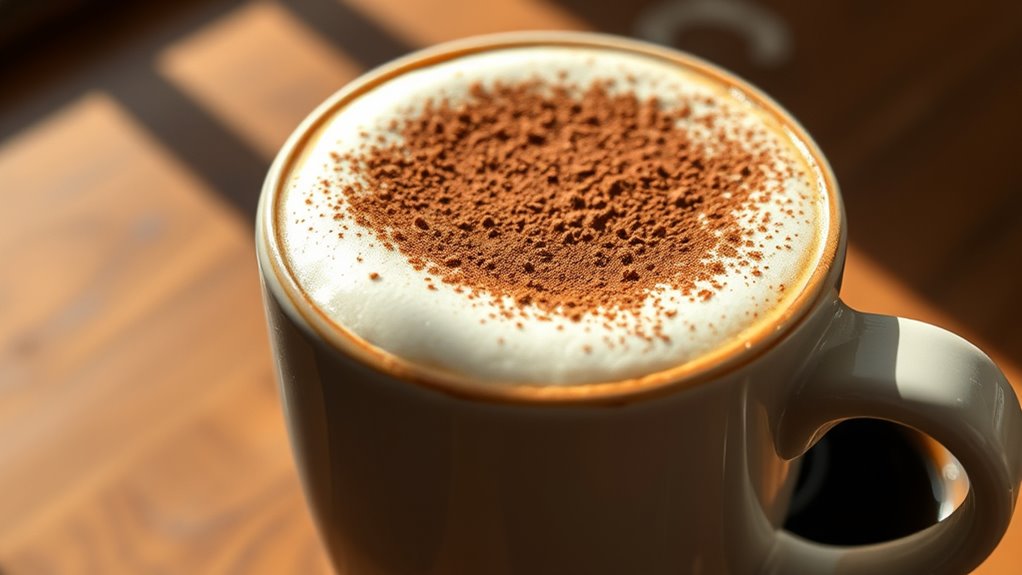
Although espresso stands on its own as a bold, concentrated shot, a cappuccino transforms it by adding equal parts steamed milk and thick microfoam. This creates a creamy, airy texture that softens the espresso’s intensity.
When you order a cappuccino, expect a 5-6 oz drink where the espresso forms the base, topped with steamed milk and a dense layer of microfoam.
This microfoam is key. It’s not just froth but a velvety foam that gives the cappuccino its characteristic creamy mouthfeel.
You’ll often notice a frothy crown, sometimes dusted with cocoa powder or cinnamon, adding to its visual appeal.
This carefully balanced combination sets the cappuccino apart. It offers a milder, creamier experience compared to straight espresso.
A cappuccino typically uses a doppio espresso as its base to provide a richer, more robust coffee flavor that complements the milk and foam.
Espresso vs Cappuccino: Flavor and Texture Differences

Since espresso delivers a bold, concentrated punch with its thick crema and intense flavors, you’ll notice that a cappuccino offers a much smoother, creamier experience by blending that espresso with steamed milk and velvety microfoam.
Espresso’s flavor profile sharply highlights the bean’s natural notes, like chocolate or fruit, with a pronounced bitterness and acidity. Its syrupy, heavy texture makes it ideal if you crave a strong, straightforward coffee hit.
In contrast, cappuccino softens espresso’s sharpness, mellowing and sweetening the taste while adding a layered texture. The microfoam creates an airy, light mouthfeel, balancing the drink’s richness.
Achieving this balance depends on precise espresso extraction timing, which ensures the flavors in both drinks are optimally developed.
How Milk Transforms Espresso Into Cappuccino
When you add steamed milk to espresso, it softens those intense flavors and creates a creamy texture that really defines a cappuccino.
Plus, the milk’s microfoam adds a velvety layer that not only feels great in your mouth but also looks inviting.
Decaf espresso roast, often used for those avoiding caffeine, retains rich flavor notes like chocolate and caramel despite minimal caffeine content, making it a popular choice for a smooth cappuccino experience with reduced caffeine.
Milk’s Role In Texture
As you steam milk to craft a cappuccino, you’re not just heating it. You’re creating microfoam that transforms the espresso’s intensity into a rich, velvety experience. This microfoam consists of tiny, uniform bubbles that give the milk a glossy, smooth consistency essential for the cappuccino’s signature texture.
The balance between steamed milk and foam directly impacts the mouthfeel, making cappuccinos lighter and airier than straight espresso. Adjusting the milk-to-foam ratio lets you control whether the drink feels dry and frothy or creamy and wet.
Proper aeration and heat during steaming develop this texture. It softens espresso’s boldness with creamy, airy foam, turning a simple shot into a well-rounded, indulgent beverage you’ll savor every time. Shaking or steaming milk with crushed ice can also create a velvety texture similar to barista-quality drinks.
Flavor Changes With Milk
Though espresso delivers a bold, intense punch, adding steamed milk transforms it into a creamier, more mellow drink that’s easier to enjoy. The milk’s natural sweetness balances espresso’s bitterness, creating a harmonious flavor profile that’s gentler on your palate.
The microfoam in a cappuccino adds a velvety texture, enriching your sensory experience beyond the sharpness of pure espresso. Milk also reduces the coffee’s acidity, making it less harsh on your stomach and smoother to drink.
By adjusting the milk and foam proportions, a cappuccino becomes less concentrated, more approachable, and perfect for those who want espresso’s robust flavor without its intensity.
This transformation highlights milk’s power in softening and rounding out espresso’s bold character. Additionally, the high-pressure extraction process of espresso is what creates its characteristic crema, which interacts uniquely with milk in a cappuccino.
Comparing Caffeine Levels: Espresso vs Cappuccino
When you compare espresso and cappuccino, the caffeine content per shot stays the same—about 63 mg.
But here’s the thing: the size of your cappuccino really matters. Larger drinks often have multiple espresso shots, which means more caffeine.
Adding milk? That doesn’t change the caffeine amount. It just softens the flavor, so you still get the same kick without it being too strong.
Because espresso uses a high-pressure brewing method, it delivers a higher caffeine concentration per ounce compared to other coffee types.
Caffeine Content Per Shot
Although cappuccinos and espressos differ in taste and texture, their caffeine content per shot remains nearly identical. A single shot of espresso and a small cappuccino (5-6 oz) both contain about 63 milligrams of caffeine.
This consistency happens because caffeine depends on the number of espresso shots used, not the addition of milk.
So, when you enjoy a cappuccino, the milk enhances flavor and volume but doesn’t dilute caffeine. Keep in mind, using double or multiple espresso shots in either drink increases caffeine proportionally.
Variations in bean type and brewing time can slightly affect caffeine, but a standard shot delivers a reliable caffeine hit whether you sip it solo or in a creamy cappuccino.
The caffeine concentration in espresso is much higher compared to drip coffee, making the volume of the shot a key factor in caffeine intake.
Impact Of Serving Size
Understanding that caffeine content hinges on the number of espresso shots, it’s important to take into account how serving size affects your caffeine intake.
Whether you enjoy a small espresso or a larger cappuccino, the amount of caffeine you consume varies markedly.
A single shot of espresso (1 oz) contains about 63 mg of caffeine.
A standard 6 oz cappuccino with one shot matches that caffeine level, but milk dilutes the volume.
Larger cappuccinos, like a 12 oz with two shots, double caffeine to roughly 126 mg.
The more shots in your cappuccino, the higher the caffeine, despite the added milk and foam.
Because espresso is brewed under high pressure, it produces a more concentrated caffeine content per ounce compared to other brewing methods.
Milk’s Effect On Caffeine
Since both espresso and cappuccino rely on espresso shots for their caffeine content, the presence of milk doesn’t change the total caffeine amount but can influence how you experience it.
A single shot of espresso contains about 63 mg of caffeine, and adding milk for a cappuccino won’t reduce this figure.
However, because cappuccinos often include double shots, they can match or even exceed the caffeine in a standard espresso.
Milk slightly slows how quickly your body absorbs caffeine, which may soften the immediate buzz.
So, while the total caffeine depends on espresso shots, milk affects the concentration and your perception of it.
Understanding this helps you choose whether you want a quick, intense caffeine hit or a smoother, milder energy boost.
Keep in mind that caffeine content per serving varies based on serving size and preparation method, which influences the final caffeine amount in your drink.
Which Equipment Works Best for Espresso and Cappuccino?
When you want to craft the perfect espresso or cappuccino, choosing the right equipment plays a crucial role. The tools you use directly affect the flavor, texture, and overall experience.
Use an espresso machine with a high-pressure pump (about 9 bars) to extract rich, authentic espresso shots. A steam wand or dedicated milk frother is essential for creating the microfoam needed for cappuccinos.
An espresso machine with a 9-bar pump and steam wand ensures rich shots and perfect microfoam for cappuccinos.
Commercial machines offer precise temperature controls and pressure gauges, ensuring consistent quality. For home brewing, compact espresso makers with built-in frothers provide convenience without sacrificing quality.
Manual or semi-automatic machines give you more control over extraction and frothing.
Selecting the right gear helps you enjoy espresso and cappuccino at their best every time. It really makes a difference in your coffee routine!
When to Choose Espresso or Cappuccino
Choosing the right equipment sets the stage, but knowing which drink suits your moment makes all the difference. When you need a quick, strong caffeine boost with minimal calories, espresso is your best bet. It’s perfect for mornings or when you want pure, intense coffee flavor without milk or foam.
On the other hand, if you’re looking for a creamy, flavorful coffee experience, especially during midday breaks or social gatherings, choose a cappuccino. Its balanced mix of espresso, steamed milk, and rich foam adds texture and comfort.
Consider the occasion. Grab an espresso for energy and focus, or savor a cappuccino for relaxation and social enjoyment. Picking the right drink at the right time really enhances both your coffee experience and your day.
Frequently Asked Questions
Can I Use Flavored Syrups in Espresso or Cappuccino?
You can definitely use flavored syrups in both espresso and cappuccino. Just add them before the milk or foam to blend the flavors evenly.
But keep an eye on the sugar content because syrups can increase your drink’s calorie count quite a bit. It’s all about balance and what tastes good to you. Enjoy experimenting with different flavors!
What Is the Ideal Cup Size for Serving Each Drink?
Picture a tiny 1-2 ounce demitasse cup for your espresso’s intense burst. It’s just the right size to capture all that bold flavor in one quick shot.
Your cappuccino, on the other hand, deserves a 5-6 ounce cup. This size is perfect for the creamy layers and foam, letting you savor each velvety sip in style.
How Long Does Each Drink Typically Take to Prepare?
You’ll spend about 25 to 30 seconds pulling a shot of espresso.
For a cappuccino, expect 3 to 5 minutes since you’ll brew espresso, then steam and froth the milk for that perfect foam. It’s worth the wait!
Are There Specific Coffee Bean Types Better for Espresso or Cappuccino?
You might think any bean works, but nope. Dark roasts like Monsoon Malabar excel for espresso’s bold punch.
Medium roasts balance cappuccinos perfectly. They let the milk’s creaminess shine without stealing the spotlight.
Can Cappuccino Be Made With Non-Dairy Milk Alternatives?
Yes, you can make cappuccinos with non-dairy milk like almond, soy, or oat. Just choose barista blends for better frothing, and expect some flavor variations.
You might notice nuttier or creamier notes in your cup, which can be a nice twist. It’s all about finding what you like best!
Conclusion
Now that you know the key differences between espresso and cappuccino, you can confidently choose your perfect cup. Espresso delivers a bold, concentrated kick, while cappuccino offers a creamy, frothy hug in a cup.
Whether you need a quick jolt or a leisurely sip, understanding these nuances helps you savor every drop. So go ahead, let your taste buds dance between rich intensity and smooth indulgence with every brew!