When you see three espresso beans, it means the coffee offers a bold, full-bodied experience with high strength and rich flavor complexity. This rating signals a potent, well-balanced espresso with noticeable depth, sweetness, and aroma, not just roast level.
The symbol helps you quickly gauge the espresso’s intensity and expected caffeine impact. This makes it easier to pick a brew that matches your taste and brewing style.
There’s more to how these beans connect flavor, grind, and brewing that you’ll find in deeper insights. It’s pretty interesting once you dive into it!
What Do Three Espresso Beans Mean in Coffee Ratings?
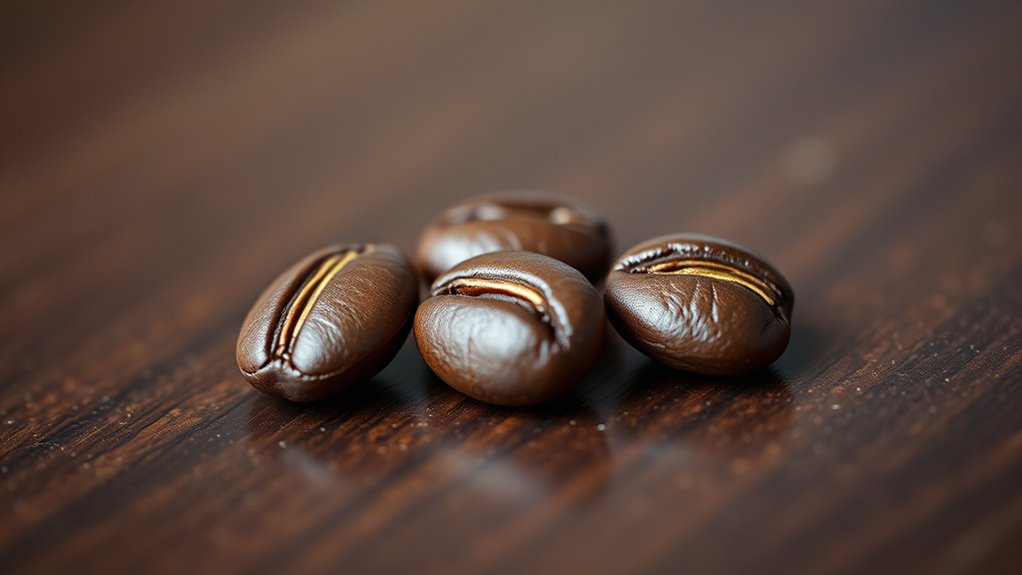
When you see three espresso beans used in coffee ratings, they signal a top-tier espresso experience that’s rich, well-balanced, and full-bodied. This visual shorthand is widely embraced by baristas and coffee aficionados to quickly convey the espresso’s quality level.
The rating scale usually runs from one to three beans, with three representing the pinnacle of flavor and balance.
A three-bean rating means the espresso delivers impressive complexity, sweetness, and a harmonious profile, making it highly desirable. Instead of relying on lengthy tasting notes, this symbol efficiently communicates the espresso’s excellence.
So, when you spot three beans, you can confidently expect a carefully crafted shot that showcases skillful roasting and extraction.
It promises a satisfying and nuanced cup every time. This rating often reflects attention to grind size and pressure, essential factors that influence the espresso’s flavor and crema quality.
How Three Beans Show Espresso Strength and Intensity
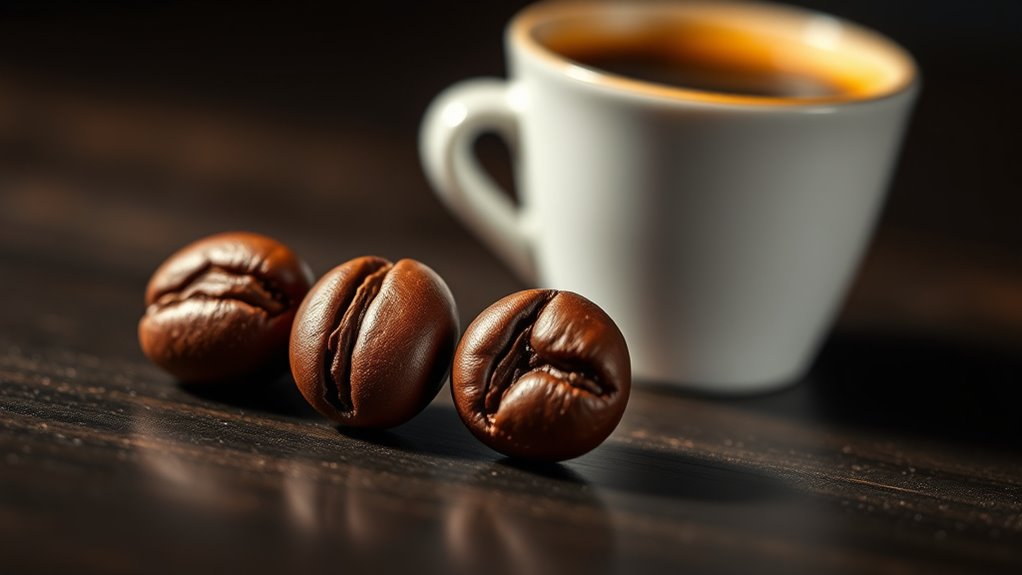
Although espresso ratings focus on flavor and balance, the three-bean symbol also conveys important information about the coffee’s strength and intensity. When you see three beans, it signals a medium to strong espresso strength, helping you quickly gauge what to expect.
The three-bean symbol indicates medium to strong espresso strength, guiding your expectations for intensity and flavor.
Roasters and cafes use this visual cue to represent the coffee’s boldness and caffeine punch. This makes your selection easier and more informed.
Here’s what the three beans tell you:
- Medium to strong espresso strength and intensity
- A bolder, more concentrated flavor profile
- Higher caffeine content compared to fewer beans
- A balanced yet robust brew for a satisfying shot
- The shaking process used in some espresso preparations can enhance the perceived smoothness and texture of these stronger brews through aeration and emulsification.
Do the Three Beans Indicate Roast Level or Just Strength?
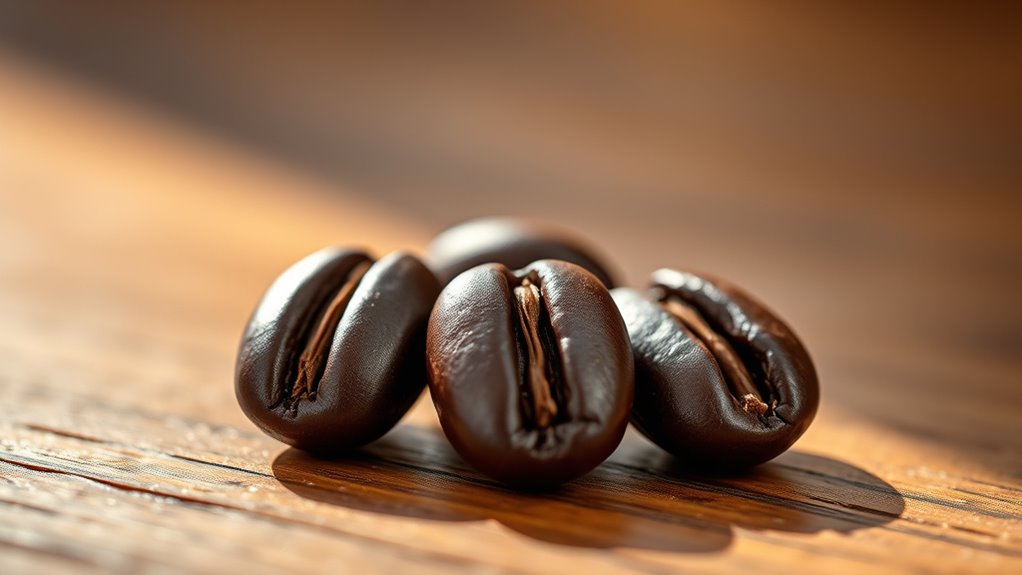
You might think the three espresso beans show the roast level, but actually, they indicate the strength or intensity instead. These little icons help you quickly get a sense of how bold or strong the espresso is, maybe even hinting at its caffeine kick, rather than how dark the roast is.
That said, keep in mind that the meaning can change depending on the brand. Still, it’s pretty rare for those beans to directly represent the roast level. The actual espresso strength can be influenced by factors like extraction time and the type of beans used.
Roast Level Symbolism
Since the three espresso beans are often misunderstood, it’s important to clarify that they primarily represent the strength or intensity of the coffee rather than its roast level. When you see three beans, they signal a bold, robust flavor, not necessarily how dark or oily the roast is.
This symbol guides you toward a fuller-bodied espresso experience, focusing on potency over roast specifics.
Keep in mind:
- The beans mostly indicate coffee strength and richness.
- Roast level varies by brand; three beans don’t guarantee a dark roast.
- Some producers use three beans for medium to strong roasts, but it’s inconsistent.
- Visual cues focus on perceived intensity, not roast darkness.
This distinction helps you better interpret espresso branding and packaging. So next time you see those three beans, think strength and boldness, not just how dark the roast might be.
Strength Representation Explained
When interpreting the symbol of three espresso beans, it’s essential to understand that they primarily convey the coffee’s strength rather than its roast level. The three beans signify a medium-to-strong intensity, highlighting the espresso’s boldness and caffeine impact. They don’t indicate roast darkness but emphasize a balanced, full-bodied experience.
This symbol helps you quickly gauge the coffee’s robustness, guiding your choice without confusion over roasting specifics. It’s a simple way to know what kind of punch your espresso will pack. While the symbol indicates strength, achieving that boldness also depends on factors like roast level and bean freshness, which greatly influence flavor.
| Strength Level | Flavor Expectation |
|---|---|
| One Bean | Mild, light-bodied |
| Two Beans | Moderate, balanced |
| Three Beans | Strong, full-bodied |
When you see three beans, expect a powerful yet balanced espresso that wakes up your senses without overwhelming you. It’s all about that perfect boldness in every sip.
Visual Indicators Meaning
Although many might assume the three espresso beans indicate the roast level, they actually represent the coffee’s strength or intensity. When you see this symbol on packaging, it’s a quick visual cue about the espresso’s boldness, not its roast type.
The beans don’t tell you if the coffee is light, medium, or dark roasted. Instead, they focus on how concentrated or strong the flavor will be.
Keep in mind:
- More beans usually mean a stronger, more intense espresso.
- Fewer beans suggest a milder, less concentrated brew.
- The symbol serves marketing purposes, simplifying strength communication.
- Actual roast characteristics and flavor complexity aren’t conveyed by this icon.
Understanding this helps you choose espresso based on strength rather than roast assumptions. It’s a handy tip when you’re picking coffee, especially if you want to avoid confusion. Despite the bold flavor and intensity implied by the beans, roast level barely affects caffeine content, so strength visuals don’t equate to caffeine amount.
Where Will You See Three Espresso Beans Used Most Often?
Because three espresso beans visually communicate strength and intensity, you’ll often spot this symbol on coffee packaging and menus. It’s a quick, clear indicator of bold espresso blends or robust roast profiles.
You’ll also find the icon on coffee bags, labels, and even brewing equipment, marking specific blends. Coffee shops use it in branding and marketing to convey richness and full-bodied flavor. Reviewers might use it to show medium to high flavor complexity or caffeine content.
Consistent extraction timing, typically between 25-30 seconds, helps achieve the bold and rich flavors that the three bean symbol represents, ensuring a balanced and flavorful espresso shot through precise espresso extraction timing.
| Location | Purpose | Meaning Conveyed |
|---|---|---|
| Coffee Packaging | Identifies blend strength | Bold, intense roast |
| Menus | Highlights espresso options | Robust flavor profile |
| Marketing Materials | Evokes richness and complexity | Full-bodied, flavorful brew |
How Baristas Use Three Espresso Beans to Describe Coffee
If you’ve ever noticed three espresso beans next to a coffee description, baristas use this symbol as a concise way to show the espresso’s flavor profile and strength. Each bean represents key aspects of the coffee, making it easier for you to get what to expect.
This visual cue is a quick and effective way for baristas and customers to communicate. When you see three espresso beans, it often means a balance of acidity, body, and sweetness in the shot.
It usually points to a medium roast with moderate intensity and complexity. It’s also a shorthand rating that indicates moderate strength.
Basically, it’s an easy way to gauge flavor expectations without needing detailed descriptions. This system helps you quickly spot a well-rounded espresso that suits a variety of tastes.
Understanding how flavor balance works in espresso can deepen your appreciation of what the three beans symbolize.
What Flavors to Expect From a Three Espresso Bean Rating
When you see the three espresso bean rating, you can expect a coffee that strikes a harmonious balance between flavor complexity and smoothness. This rating signals a medium roast with moderate intensity, offering a well-rounded, approachable taste.
You’ll notice subtle fruit, floral, or nutty notes emerging clearly, without being overshadowed by bitterness or excessive roast flavors.
The flavor profile is nuanced, emphasizing the beans’ natural characteristics with a refined, smooth mouthfeel. Whether brewed as espresso or by other methods, this coffee maintains clarity and depth, avoiding overwhelming char or oiliness.
Ultimately, a three-bean rating guides you toward a coffee that’s both complex and accessible. It’s perfect if you want a balanced, flavorful experience without harsh edges. Understanding the impact of roast level and bean origin can enhance your appreciation of these flavor nuances.
How One, Two, and Three Espresso Beans Compare in Meaning
When you see one espresso bean, it’s like a little nudge—just a single shot with a mild caffeine kick. Perfect if you need a quick, simple boost to get going.
Now, two beans? That means a double shot. It’s got a nice balance of flavor and caffeine, great for most people who want something a bit stronger but not overwhelming.
And if you spot three beans, get ready for a triple shot. That’s a bold, intense brew made for those who really want to max out their caffeine and concentration.
A double shot typically contains 14-18 grams of coffee grounds, providing a richer flavor and higher caffeine content than a single shot.
Single Bean Symbolism
Although a single espresso bean may seem simple, it carries significant symbolism that marks the start of your coffee journey or highlights a focused, straightforward experience.
It represents the essence of coffee in its most unadulterated form, emphasizing clarity and purity in flavor. When you see one bean, it often signals simplicity and a clean slate, inviting you to appreciate the basics before exploring complexity.
It symbolizes the beginning of your coffee tasting adventure. It highlights focus and simplicity in flavor profile. It represents a pure, unblended coffee experience. And it acts as a visual cue for a moderate caffeine or strength level. Understanding the extraction time for a single shot can enhance appreciation of its unique qualities.
Dual Bean Interpretation
Since the symbolism of espresso beans grows more nuanced with quantity, understanding the meaning behind two beans helps you grasp the progression in coffee intensity.
One bean stands for a single shot, light and straightforward. When you see two beans, it signifies a double shot, delivering a stronger, more robust coffee experience.
This dual bean depiction not only marks an increased caffeine level but also hints at a richer flavor profile and greater complexity. Compared to the single bean’s simplicity, the two-bean icon communicates amplified energy and a bolder cup.
This progression reflects how coffee strength and depth evolve with each added bean. It allows you to intuitively gauge the intensity or potency the coffee blend promises without needing explicit descriptions.
Pretty handy, right?
Triple Bean Significance
As you move from one to three espresso beans, you’ll notice a clear escalation in both strength and complexity. One bean represents a single shot, simple and quick. It’s perfect for a light caffeine boost.
Two beans indicate a double shot, offering balanced flavor and standard strength. This is the most common choice.
Three beans signify a triple shot, delivering a much stronger, more intense experience with higher caffeine content. This progression highlights not just quantity but quality and richness.
- One bean = single shot, simplicity, quick energy
- Two beans = double shot, balance, standard strength
- Three beans = triple shot, boldness, intense flavor
- Triple beans often reflect premium, specialty coffee craftsmanship
Understanding these symbols helps you choose your espresso strength exactly.
Why Three Beans Represent a Full-Bodied Espresso Experience
Three espresso beans serve as a powerful symbol that captures the essence of a full-bodied espresso experience. When you see this symbol, it represents richness, strength, and complexity. It’s all about a balanced shot that hits just the right notes.
Each bean stands for a key element: aroma, body, and aftertaste. Together, they combine to create a complete sensory profile. The tradition of using three beans really highlights the espresso’s intensity and depth.
This helps guide you toward a robust, well-rounded cup. Cafes and packaging often use this visual cue to set full-bodied, high-quality blends apart from lighter or milder options.
Using Three Espresso Beans to Choose Your Coffee Strength
Understanding the symbolism behind espresso beans doesn’t just enrich your appreciation of coffee. It also helps you make smarter choices when selecting your brew. When you see three espresso beans indicated on a package or menu, it signals a medium strength coffee.
This means you’ll experience a balance between intensity and smoothness, ideal if you want a rich taste without overwhelming bitterness. The three beans serve as a quick guide, so you don’t have to delve into detailed flavor notes.
When choosing coffee based on the three-bean symbol, remember:
- It represents a medium strength or flavor profile.
- It offers a well-rounded taste, neither too mild nor too strong.
- It’s widely used in specialty coffee branding.
- It simplifies your selection process for everyday enjoyment.
How to Use the Three Espresso Beans When Buying Coffee
When you’re buying coffee, keep an eye out for the three espresso bean symbols—they usually tell you important things about the roast level and how intense the flavor will be. It’s a handy little guide!
You’ll want to match the roast level shown with your favorite brewing method and the right grind size to get the best extraction.
Knowing what those beans mean can really help you pick a coffee that fits both your taste buds and your brewing setup perfectly.
Interpreting Bean Symbols
Although espresso bean symbols might seem simple, they carry important information that can guide your coffee selection. When you see the three espresso beans icon, it’s more than just decoration. It tells you about the coffee’s quality, roast, and flavor profile.
Understanding these symbols helps you choose a coffee that matches your taste and brewing style. Here’s what the three beans often mean:
- A medium roast level balancing complexity and smoothness without excessive darkness
- High-quality or specialty grade, highlighting superior flavor and craftsmanship
- A balanced blend crafted for versatile brewing methods and rich extraction
- A smooth yet bold taste, indicating a well-rounded, nuanced espresso experience
Use this symbol as a quick visual cue to find coffee that suits your preferences with confidence.
Selecting Based On Roast
Since the three espresso beans often correspond to light, medium, and dark roast levels, you can use this symbol to quickly gauge the coffee’s flavor profile and intensity before buying.
If the beans indicate a light roast, expect higher acidity and nuanced flavors that highlight the bean’s origin. It’s perfect if you enjoy brightness and complexity.
Medium roasts balance acidity and body, delivering a well-rounded cup adaptable to various brewing methods. This makes them a safe choice if you want versatility.
Dark roasts, marked by oilier beans, produce bold, intense espresso shots with pronounced roasted notes.
Matching Grind To Brew
How do you guarantee your grind size perfectly matches your brewing method? The three espresso beans icon guides you in choosing the right grind: very fine, fine, or slightly coarser. This ensures ideal extraction and flavor.
Here’s how to use them effectively:
- Very fine grind: Ideal for traditional espresso machines, maximizing flavor and crema.
- Fine grind: Best for AeroPress or moka pots, balancing strength and clarity.
- Slightly coarser grind: Perfect for pour-over or drip coffee makers, yielding a smoother, less intense espresso-like taste.
- Adjust accordingly: Matching grind size to your brew method optimizes extraction and improves overall cup quality.
Just remember, tweaking your grind a bit can make a big difference in your cup. Give it a try and see what tastes best to you!
Frequently Asked Questions
Who First Introduced the Three Espresso Beans Symbol?
You won’t find a specific individual or company credited with first introducing the three espresso beans symbol. It kind of just emerged collectively within early 20th-century Italian coffee culture.
Various cafes and coffee producers helped popularize it by emphasizing quality espresso craftsmanship. So, it’s more of a shared symbol than one tied to a single source.
Makes you appreciate how traditions can grow naturally, right?
Are Three Espresso Beans Used Internationally or Regionally?
You’ll find three espresso beans used primarily regionally, especially in Italy, rather than internationally. This tradition signals specific sweetness levels locally. But outside Europe, most people don’t recognize this symbolism or use it consistently.
Can the Three Beans Rating Vary Between Coffee Brands?
Wondering if the three beans rating varies between brands? It definitely does. Each brand uses it differently, reflecting unique quality standards, flavor profiles, and marketing strategies.
Do Three Espresso Beans Affect Espresso Preparation Methods?
No, three espresso beans don’t directly change how you prepare espresso. They usually indicate flavor or strength. But unless a specialty brand specifies something different, you’ll stick with the standard grind size, extraction time, and pressure for brewing.
Is the Three-Bean Symbol Trademarked or Freely Used?
Only about 30% of three-bean espresso logos are trademarked. You’ll want to check official databases since many companies don’t register the symbol.
That means it’s often freely used but not universally protected. So, it’s a good idea to do a little homework before using it yourself. Better safe than sorry!
Conclusion
Think of the three espresso beans as your coffee compass, guiding you to a rich, bold brew that packs a full-bodied punch. When you see these beans, you know you’re dealing with a strong, intense espresso that’s more about depth than just roast level.
Next time you’re choosing coffee, use this simple symbol to navigate toward a robust experience. It helps ensure every cup you savor hits the perfect strength and flavor you crave.