Espresso can be good for you when enjoyed in moderation. It delivers a powerful dose of antioxidants that support cell health and may lower chronic disease risk.
Its caffeine quickly boosts focus, memory, and physical performance while keeping calories low, making it great for weight management. Moderate intake also benefits heart health and digestion.
However, be mindful of limits to avoid side effects like jitters or insomnia. You’ll find plenty more insights on how espresso impacts your health and lifestyle.
How Espresso Differs From Other Coffees for Your Health
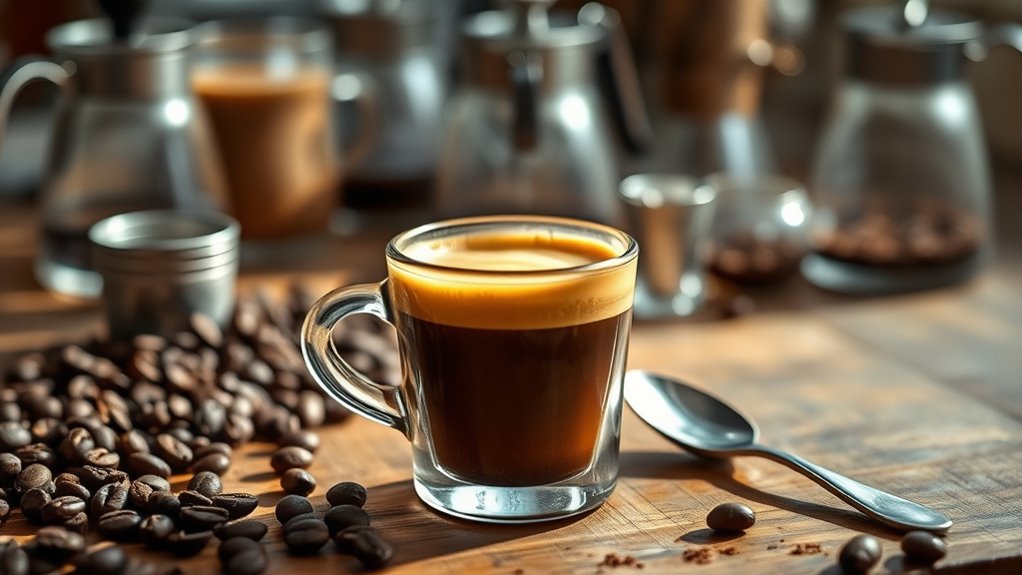
Although espresso might seem similar to other coffee types, its unique preparation method profoundly influences its health effects. You get espresso by forcing hot water through finely ground beans under high pressure, producing a concentrated shot. This means espresso has more caffeine per milliliter than filter coffee, but usually less total caffeine per serving because of its smaller size.
Both espresso and filter coffee share similar bioactive compounds and antioxidants, though espresso’s extraction slightly alters their levels.
Unlike unfiltered methods like French press or Turkish coffee, espresso contains moderate diterpene levels, which means it’s less likely to raise cholesterol.
Also, since you drink espresso quickly in smaller amounts, you may find it easier to manage caffeine intake and support digestion compared to larger filter coffee servings.
Additionally, espresso provides a significant amount of antioxidants per shot, contributing to its health benefits despite its low calorie content.
How Espresso Boosts Brain Power and Memory
Beyond its unique preparation and impact on digestion, espresso offers notable benefits for your brain function and memory. Drinking espresso supports long-term memory retention and improves your ability to recall information. The caffeine in espresso stimulates brain activity, which helps enhance mental alertness.
Additionally, espresso contains antioxidants and other compounds that contribute to overall cognitive health. Consuming espresso before studying or engaging in cognitive tasks can boost your concentration and mental clarity, making it easier to process and remember information.
Regular intake of espresso may also help protect your brain from neurodegenerative diseases such as Alzheimer’s and Parkinson’s. While espresso isn’t a cure-all, incorporating it in moderation can be a valuable part of maintaining and enhancing your brain power and memory. The caffeine content in a double shot of espresso typically ranges from 70 to 120 mg, providing a concentrated boost to support cognitive function.
How Espresso Improves Focus and Alertness

When you drink espresso, the caffeine quickly kicks in and stimulates your central nervous system. This gives you an energy boost that helps sharpen your focus and alertness.
Plus, it triggers the release of dopamine, which can boost your motivation and mental clarity.
The precise espresso yield can influence the strength and balance of these effects.
Energy Boost Mechanism
Because espresso contains caffeine, it actively stimulates your central nervous system, increasing alertness and reducing fatigue. Caffeine blocks adenosine receptors in your brain, which normally promote relaxation and drowsiness. By preventing this, espresso sharpens your focus and mental clarity.
The caffeine in a typical espresso shot, about 60 to 80 mg, is quickly absorbed, so you experience an energy boost faster than with other coffee types. Research shows this rapid absorption enhances cognitive functions like attention and reaction time, helping you stay sharp.
However, the effects vary depending on individual sensitivity and tolerance.
Understanding this energy boost mechanism helps you use espresso effectively without overconsumption. This way, you gain its benefits while minimizing potential side effects like jitteriness or disrupted sleep. So, it’s all about finding the right balance for you. Proper extraction time plays a key role in ensuring the flavor and caffeine content are optimized in every shot.
Dopamine Stimulation Effects
Although you might already know caffeine sharpens your alertness by blocking adenosine receptors, espresso also boosts focus through increased dopamine production in your brain. This neurotransmitter plays a key role in motivation, mood, and cognitive function, making espresso more than just a quick pick-me-up.
Here’s how it works: espresso’s caffeine blocks adenosine receptors, which indirectly raises dopamine activity. Elevated dopamine levels enhance your ability to concentrate and stay alert.
The quick caffeine absorption in espresso leads to rapid improvements in focus.
Plus, regular moderate espresso consumption supports sustained mental clarity and motivation. So, it’s not just about waking up—it’s about staying sharp and motivated throughout your day.
However, to maintain optimal benefits, it’s important to manage espresso machine maintenance properly, including regular descaling to ensure consistent coffee quality and flavor.
Combatting Midday Fatigue
If you find your energy dipping during the afternoon, a shot of espresso can quickly restore your focus and alertness. The caffeine in espresso blocks adenosine receptors in your brain, which reduces fatigue and sharpens concentration.
Within 15 to 30 minutes of consumption, you’ll likely notice increased mental clarity due to stimulated dopamine production.
A typical espresso shot contains 60-80 mg of caffeine, offering a quick cognitive boost without adding many calories. This makes it an effective tool to combat midday drowsiness, especially before tasks requiring sustained attention.
However, while espresso can enhance productivity, it’s important to moderate intake to avoid potential side effects like jitteriness or disrupted sleep.
Overall, espresso serves as a practical, evidence-based option to help you stay alert during sluggish afternoon hours. Its higher caffeine concentration allows for a rapid onset of effects compared to larger brewed coffee servings.
Why Antioxidants in Espresso Matter for Your Health
Every time you take a sip of espresso, you’re getting a powerful boost of antioxidants, like polyphenols. These little guys help protect your cells from damage, which is pretty important.
Antioxidants play a big role in lowering the risk of chronic diseases. What’s interesting is that espresso often has higher levels of these antioxidants compared to other types of coffee.
Knowing more about the different antioxidants and how espresso measures up can really help you see why it’s good for your health. It’s not just about the taste — there’s some real benefit behind that bold flavor.
The roasting style of espresso beans also influences their antioxidant content, with darker roasts typically enhancing the presence of these beneficial compounds.
Antioxidant Types Explained
Why do antioxidants in espresso matter for your health? They play a key role in protecting your cells from damage caused by free radicals. The main antioxidants in espresso are polyphenols, especially chlorogenic acids, which support your body’s defense system.
Here’s what you should know:
- Polyphenols in espresso neutralize harmful free radicals.
- Chlorogenic acids contribute notably to espresso’s antioxidant effects.
- The espresso brewing process concentrates these antioxidants in a small serving.
- Roast levels and brewing methods influence the antioxidant types and amounts you get.
Additionally, the espresso extraction ratio affects the concentration and intensity of these antioxidants in your cup.
Health Benefits Overview
How exactly do antioxidants in espresso benefit your health? Espresso is loaded with polyphenols, antioxidants that help neutralize free radicals and reduce oxidative stress in your body. Thanks to its concentrated brewing method, each shot delivers a higher dose of these protective compounds compared to other coffee types.
The roasting process further boosts antioxidant levels, making espresso a potent source of health-supporting substances. Regularly enjoying espresso can support your cellular function and may lower the risk of chronic diseases by combating inflammation and shielding your cells from environmental pollutants and UV damage.
While espresso isn’t a cure-all, its antioxidant content contributes meaningfully to your overall health when consumed as part of a balanced diet and healthy lifestyle. So, including espresso in your routine can be a tasty way to give your body a little extra protection. Properly brewed espresso, following consistent care and maintenance, ensures you get the best health benefits from your coffee.
Espresso Versus Other Coffees
Antioxidants play a key role in the health benefits associated with espresso, but it’s important to understand how espresso compares to other coffee types in delivering these compounds. Both espresso and other coffees contain similar antioxidants and polyphenols, but the extraction method and roast influence their impact.
Here’s what you should know: espresso offers a concentrated dose of antioxidants per serving due to its brewing technique. Medium to dark roasts used in espresso retain more antioxidants and have lower acidity than lighter roasts.
Despite differences in preparation, both espresso and filter coffee significantly contribute to your daily antioxidant intake. These antioxidants help combat oxidative stress, supporting overall health regardless of coffee type. Additionally, the espresso crema contains essential oils that enhance the antioxidant profile and contribute to the coffee’s unique texture and flavor.
How Espresso Boosts Exercise and Weight Loss
Although many people enjoy espresso for its rich flavor, its benefits go way beyond just taste. Drinking espresso before your workout can raise adrenaline levels, which boosts your strength and endurance. This caffeine kick doesn’t just enhance physical performance, it also gives your motivation a nice push.
You might find yourself working out longer and at higher intensities. Plus, espresso can help reduce muscle soreness after exercise, making recovery easier. Since it’s low in calories, espresso offers a convenient energy boost without adding extra fuel that could get in the way of weight management.
Why Espresso Is a Low-Calorie, Guilt-Free Drink
Since espresso contains roughly 3 calories per ounce, it stands out as a low-calorie beverage that fits well into weight-conscious diets. You’ll find it’s naturally minimal in calories, especially when you avoid adding sugar or cream. Its concentrated form means you get a rich, flavorful coffee experience without a big calorie hit.
Espresso offers a rich, flavorful coffee experience with just about 3 calories per ounce.
Here’s why espresso is a guilt-free choice:
- Contains about 3 calories per ounce, making it ideal for calorie control.
- Minimal additives maintain its low-calorie profile.
- You can enjoy multiple servings without excess calorie intake.
- Supports dieting efforts by offering flavor without added sugars or fats.
Espresso and Heart Health: What Science Shows
When you drink 3 to 4 cups of espresso daily, studies show you could lower your risk of heart disease by about 15% and reduce your stroke risk by 21%. This benefit is partly due to antioxidants like polyphenols in espresso, which help reduce oxidative stress and support cardiovascular health.
However, the caffeine in espresso can temporarily raise blood pressure, so if you have hypertension, you should consume it cautiously. Drinking espresso brewed without added fats or sugars keeps it a heart-healthy choice when you stick to moderate amounts.
Overall, incorporating espresso into your routine can contribute to heart health, but balance and individual health conditions should guide your intake.
How Espresso Supports Digestion and Metabolism
Beyond its effects on heart health, espresso also plays a role in supporting your digestive system and metabolism. Here’s how it helps:
Espresso stimulates your digestive cycle, promoting efficient nutrient breakdown and absorption. It reduces bloating and gastrointestinal discomfort by encouraging bowel movements. The caffeine increases gastric acid production, aiding digestion after meals.
Plus, the anti-inflammatory compounds in espresso support gut health and reduce inflammation.
Drinking espresso after eating can enhance digestion and prepare your body for the next meal. These effects combine to boost your metabolism by optimizing digestive efficiency.
While espresso offers these benefits, it’s best to enjoy it in moderation to maximize positive outcomes without discomfort.
What to Watch For: Risks and Safe Limits of Espresso
Although espresso offers several health benefits, it’s important to be aware of its potential risks and consume it within safe limits. Drinking more than 400 mg of caffeine daily, about 4-5 espresso shots, can cause anxiety, insomnia, and increased heart rate.
If you prefer unfiltered espresso methods like French press, be cautious because they may raise LDL cholesterol due to diterpenes.
Pregnant women should limit caffeine to 200 mg daily to reduce miscarriage and fetal risks.
Excessive espresso can also trigger digestive issues such as acid reflux and stomach upset, especially if you’re sensitive.
Plus, relying heavily on espresso may lead to caffeine dependence, causing withdrawal symptoms like headaches and irritability if intake suddenly drops.
Moderation helps you enjoy espresso’s benefits while minimizing risks.
Frequently Asked Questions
Can Espresso Consumption Affect Sleep Quality?
Yes, espresso can affect your sleep quality by increasing alertness and delaying sleep onset.
If you’re sensitive to caffeine, it’s best to avoid drinking it at least six hours before bedtime. This helps minimize disruptions to your sleep.
Does Espresso Interact With Common Medications?
Like a double-edged sword, espresso can interact with common medications, altering their effects. You should watch caffeine intake, especially with stimulants, sedatives, heart meds, or supplements. This helps avoid unwanted side effects and guarantees safe treatment.
How Does Espresso Impact Dental Health?
Espresso can stain your teeth and erode enamel because it’s acidic. This can make your teeth more sensitive and increase the risk of decay.
To keep your dental health in check, try to avoid adding sugar to your espresso. It’s also a good idea to rinse your mouth or brush your teeth after drinking it.
And don’t forget to visit your dentist regularly. They can help catch any issues early and keep your smile healthy!
Is Espresso Safe During Pregnancy?
You should limit espresso to 200 mg of caffeine daily during pregnancy. Higher intake can increase risks like miscarriage.
Can Espresso Cause Dehydration?
Espresso won’t cause dehydration if you drink it moderately. Its caffeine can increase urine slightly, but the fluid you consume balances it out.
Just avoid excessive shots to keep hydration steady and feel your best. It’s all about enjoying your espresso without going overboard. That way, you stay refreshed and hydrated.
Conclusion
So, is espresso just a tasty pick-me-up, or can it truly boost your health? It contains antioxidants that help fight inflammation. Plus, it offers benefits for brain function, metabolism, and heart health.
Espresso gives you more than just great flavor. But like anything, moderation matters. If you overdo it, you might get jitters or digestive issues.
Enjoy your espresso mindfully. That way, you can savor its rich taste and the health perks backed by science. It’s a smart, guilt-free choice to include in your daily routine.