You get 120 mg of caffeine in a 6.5 oz can of Starbucks Espresso and Cream, giving you a strong, quick energy boost. Serving size matters. Larger portions increase caffeine intake, so it’s good to monitor how much you drink.
Its caffeine content sits between popular energy drinks and Starbucks’ other bottled coffees. If you have sensitivity or health concerns, it’s wise to watch your consumption. Exploring ingredients and comparison details can help you make informed choices.
How Much Caffeine Is in Starbucks Espresso and Cream?
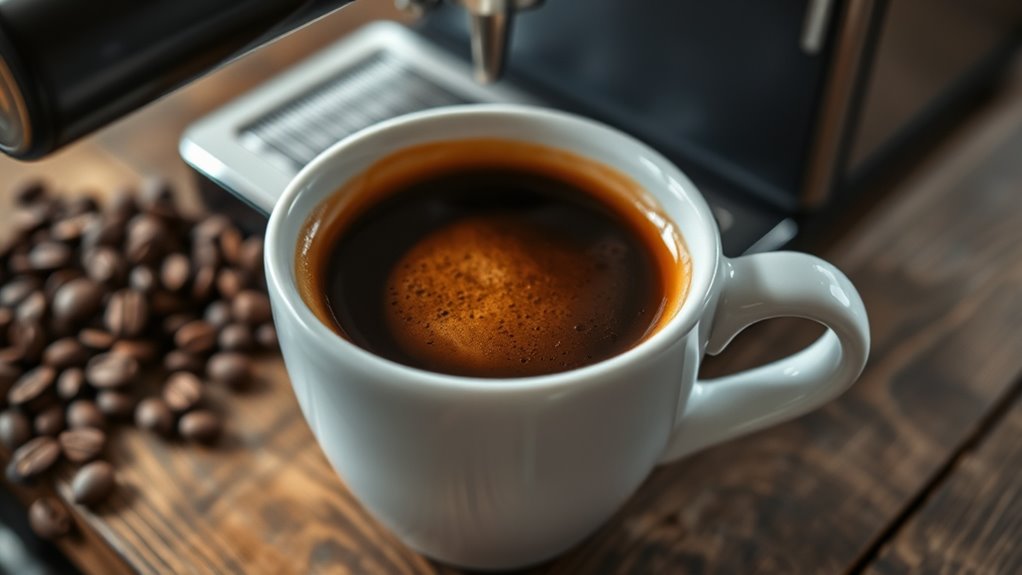
Although you might expect varying caffeine levels, Starbucks Espresso & Cream consistently delivers 120 mg of caffeine in its 6.5 oz can. That breaks down to about 18.46 mg per fluid ounce. This amount gives you a moderate caffeine boost, kind of like what you’d get from a standard cup of brewed coffee.
The beverage is designed for convenience, giving you a quick energy lift without needing to brew a fresh cup. Plus, the caffeine content is clearly labeled, so you can easily track your intake and manage it according to your daily limits.
Whether you need a midday pick-me-up or an early morning kick, this canned espresso offers a reliable and measurable caffeine dose to keep you alert. It’s a handy option when you want that espresso flavor and caffeine hit on the go. The caffeine concentration per ounce in espresso is higher than that of drip coffee, which contributes to its strong and fast-acting stimulant effect.
How Does Starbucks Espresso and Cream Compare to Other Bottled Coffees?
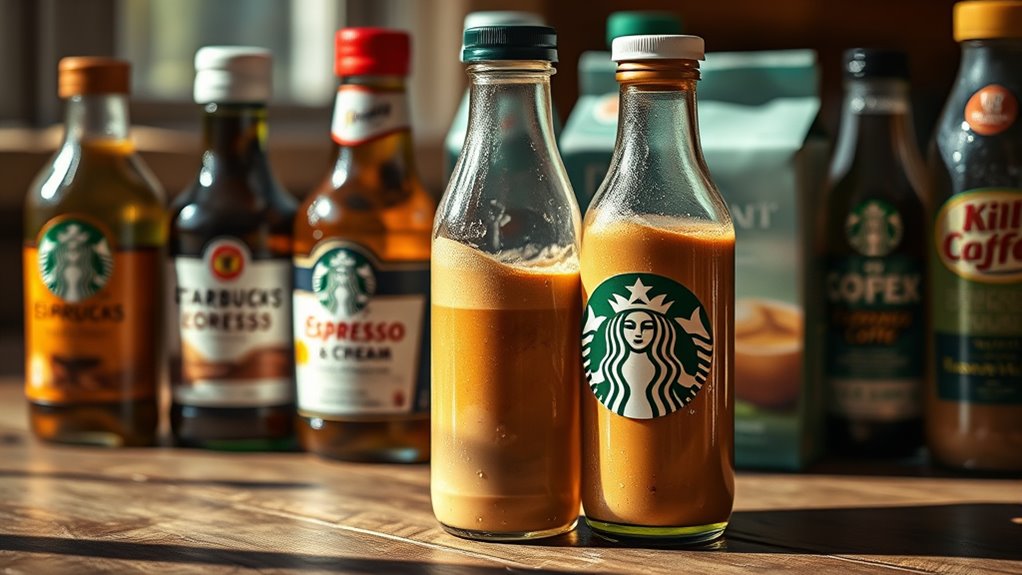
Now that you know Starbucks Espresso & Cream delivers 120 mg of caffeine in its 6.5 oz can, it’s helpful to see how it stacks up against other bottled coffee options.
Compared to energy drinks, it contains less caffeine than Monster Energy’s 160 mg but more than Red Bull’s 80 mg or a 12 oz Coca-Cola with 35 mg.
Bottled Starbucks coffee drinks like the Iced Espresso Caramel Macchiato and Vanilla Latte offer about 125 mg per 12 oz, closely matching in-store levels.
Meanwhile, cold brew options such as Nitro Cold Brew Vanilla can reach 137 mg per 12 oz, often exceeding standard bottled coffees.
Overall, Starbucks Espresso & Cream provides a moderate caffeine level, comparable to or slightly above many other bottled coffee beverages you might find.
Because espresso has a higher caffeine concentration per ounce, its caffeine content is more potent despite the smaller serving size, demonstrating the importance of caffeine concentration in comparing beverages.
Which Ingredients Affect Caffeine Content in Starbucks Espresso and Cream?
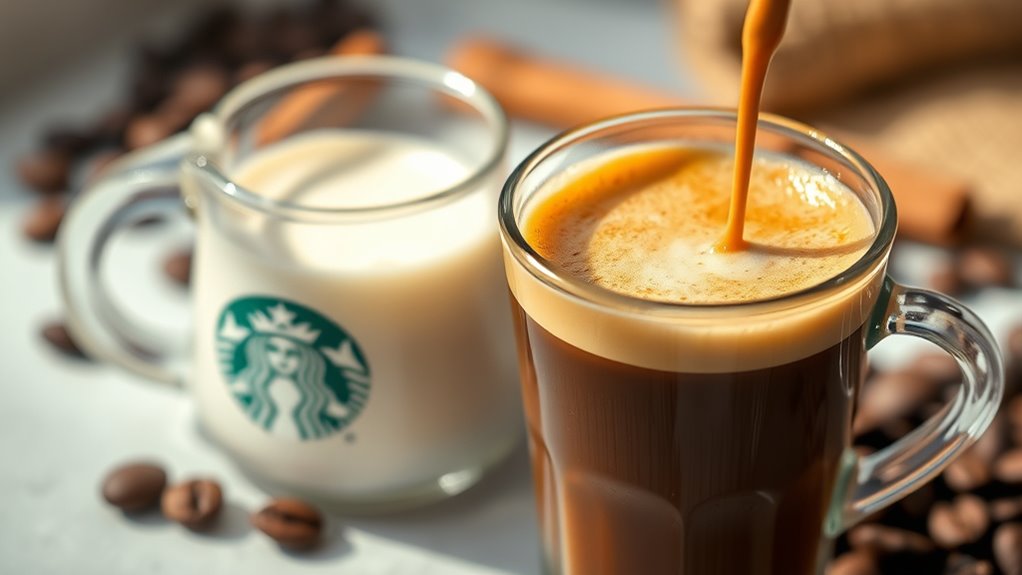
When you check out the caffeine content in Starbucks Espresso and Cream, the main things to consider are how much espresso is in there and what kind of coffee blend they use.
You see, Robusta beans have more caffeine compared to Arabica beans, so the blend really affects how strong the caffeine kick is.
Now, cream? It’s mostly about flavor and texture. It makes the drink richer and smoother, but it doesn’t actually change the caffeine level at all.
Additionally, factors like espresso extraction time can influence the overall strength and flavor profile of the espresso used.
Key Ingredient Components
Because the caffeine content in Starbucks Espresso and Cream hinges mainly on the brewed espresso coffee, understanding the ingredients that contribute caffeine is essential. The primary source is the espresso shot itself, with each shot containing about 63 mg of caffeine. The total caffeine amount depends on whether you choose a single or double shot.
While some Starbucks products include green coffee bean extract, which naturally contains caffeine, it’s less common in this beverage. Ingredients like reduced-fat milk, cream, and sugar don’t affect caffeine levels but shape taste and calories.
Added flavorings or additives typically don’t contribute caffeine unless they specifically contain coffee or caffeine extracts. So, when evaluating caffeine, focus mainly on the espresso quantity and any caffeine-containing extracts present.
Caffeine content can vary depending on factors like bean type and brewing method, which influence the final caffeine concentration in the espresso.
Influence Of Coffee Blend
Although the caffeine content in Starbucks Espresso and Cream depends largely on the espresso shot’s volume, the specific coffee blend you choose plays a crucial role. Different Arabica bean origins and roast levels influence caffeine extraction during brewing.
For example, lighter roasts tend to retain slightly more caffeine than darker roasts.
Additionally, some blends may include added coffee extracts or green coffee bean extracts, which boost caffeine levels beyond the espresso itself.
The balance between espresso and cream also affects the final caffeine concentration per serving. Remember, brewing factors like extraction time and water temperature further impact how much caffeine ends up in your cup.
The roast level and grind size are critical factors that influence caffeine extraction and overall espresso flavor.
How Serving Size Influences Your Caffeine Intake
Since the caffeine content in Starbucks Espresso & Cream is measured per 6.5 oz can at 120 mg, you’ll consume more caffeine if you choose a larger serving. For example, a 12 oz serving nearly doubles your intake to about 240 mg. Conversely, a smaller 3.5 oz portion contains roughly 60 mg.
Although caffeine concentration per ounce slightly decreases in bigger servings due to dilution with milk or other ingredients, the total caffeine rises with size. Understanding serving sizes helps you accurately estimate your caffeine intake.
This knowledge allows you to manage how much caffeine you consume daily, helping you stay within recommended limits and avoid unintended excess. Keep in mind that total caffeine intake depends more on serving size than concentration alone, so larger volumes increase caffeine consumption regardless of beverage strength.
Who Should Watch Their Caffeine Intake From Starbucks Espresso and Cream?
If you’re sensitive to caffeine, it’s a good idea to keep an eye on how much Starbucks Espresso and Cream you’re drinking.
Each can has 120 mg of caffeine, which can add up faster than you might expect.
For some folks, that amount could come close to or even go over the daily recommended caffeine limits.
So, being mindful of how much you consume can really help you avoid those common side effects like feeling jittery or having trouble sleeping.
It’s all about finding the right balance that works for you.
Consuming caffeine close to or above the recommended 400 mg daily limit can increase the risk of side effects and health issues.
Sensitive Individuals’ Concerns
When you’re sensitive to caffeine, even a single 6.5 oz can of Starbucks Espresso & Cream, which contains 120 mg of caffeine, can trigger side effects like jitters, insomnia, or increased heart rate.
If you have anxiety or heart conditions, this amount may worsen your symptoms, so monitoring your intake is essential.
Pregnant women should also be cautious, as health guidelines recommend keeping caffeine under 200 mg daily. One can is a significant portion of that limit.
For children and teenagers, this caffeine content exceeds typical daily recommendations, so it’s best to avoid or strictly limit consumption.
If you experience headaches, restlessness, or elevated blood pressure after drinking caffeinated products, consult your healthcare provider to determine a safe caffeine amount tailored to your needs.
It’s always better to be safe and know what works best for your body.
Regularly monitoring your caffeine sources and understanding how to manage consistent intake can help prevent unwanted side effects.
Daily Caffeine Limits
Understanding your daily caffeine limits helps you make informed choices about how much Starbucks Espresso & Cream you can safely enjoy. The FDA suggests healthy adults stick to 400 mg daily, which equals about three 12 oz cans.
But some groups need to be more cautious. Pregnant women should limit caffeine to 200 mg, roughly one and a half cans. If you’re caffeine-sensitive, even 100 mg (one 6.5 oz can) might cause jitters or sleep issues.
Children and teens should consume no more than 85 mg, less than one can. Those with heart conditions or hypertension must monitor intake carefully, as 120 mg can affect blood pressure.
Knowing these limits helps you enjoy Starbucks Espresso & Cream without risking adverse effects. Just keep these guidelines in mind and enjoy your drink! Remember that a teaspoon of espresso powder typically contains 30 to 60 milligrams of caffeine content, which contributes to the overall caffeine intake.
How to Enjoy Starbucks Espresso and Cream
Although Starbucks Espresso and Cream packs a bold 120 mg caffeine punch per 6.5 oz can, you can enjoy it chilled or over ice to highlight its rich espresso flavor and creamy texture. Drinking it cold really brings out that invigorating experience while keeping the beverage smooth.
Since the caffeine content is pretty substantial, finishing the can in one go gives you a quick energy boost.
You might want to pair it with a light snack or pastry. That way, you get to enjoy the creamy texture and deep espresso notes even more.
The portable size makes it easy to enjoy anywhere—at work, home, or outdoors.
Just remember to check the label for specific ingredients and caffeine details before drinking. That way, you can make sure it fits your dietary needs perfectly.
Additionally, understanding the caffeine content in espresso-based drinks like this can help you manage your daily intake effectively.
Where to Find Nutrition and Ingredient Information
If you want to know the nutrition and ingredient details for Starbucks Espresso & Cream, you can find them easily on the official Starbucks website and the product packaging. Starbucks offers thorough information through several resources, ensuring you have access to accurate data.
Nutrition and ingredient details for Starbucks Espresso & Cream are easily accessible on their official website and packaging.
Here’s where to look: Use Starbucks’ online nutrition calculator to see caffeine content and nutritional values. You can also check the product finder tool for specific ingredient lists and detailed nutrition facts.
Plus, you can download ingredient glossaries, nutrition spreadsheets, and product fact sheets from Starbucks’ resource pages. If you have any additional questions about ingredients or nutrition, just contact Starbucks customer support.
These tools provide transparent, evidence-based details, helping you make informed choices about your Starbucks Espresso & Cream consumption. So, it’s pretty easy to get all the info you need!
Frequently Asked Questions
Can I Customize the Flavor of Starbucks Espresso and Cream Bottles?
Yes, you can customize Starbucks Espresso and Cream bottles by adding syrups, milk, or ice after opening.
Just remember, these additions may change the drink’s texture and calorie count. So, adjust according to your taste preferences.
It’s pretty easy to make it just how you like it!
Are Starbucks Espresso and Cream Beverages Suitable for Vegans?
Think of Starbucks Espresso and Cream as a dairy delight, not a vegan choice. You won’t find vegan ingredients here, but you can always ask for plant-based milk options to customize a similar vegan-friendly drink instead.
It’s pretty easy to make your drink vegan-friendly with just a quick swap. So, if you’re craving that espresso flavor, just go for almond, soy, oat, or coconut milk instead. That way, you get the taste you want without any dairy.
How Long Do Starbucks Espresso and Cream Bottles Stay Fresh?
You should consume Starbucks Espresso & Cream within 24 hours after opening for the best freshness.
If it’s unopened, you can keep it refrigerated for 2-3 weeks before the expiration date. Just make sure it’s properly sealed and stored. That way, you get the best taste and quality.
Do Starbucks Espresso and Cream Drinks Contain Artificial Sweeteners?
You won’t find any hidden tricks here. Starbucks Espresso and Cream drinks don’t contain artificial sweeteners. They stick to natural sugars, milk, and cream.
This gives you a genuine, smooth taste without synthetic additives. Enjoy your drink knowing it’s made with simple, real ingredients.
Can I Use Starbucks Espresso and Cream as a Coffee Creamer Substitute?
Yes, you can use Starbucks Espresso and Cream as a coffee creamer substitute. It adds a rich espresso flavor and creaminess to your cup.
Just keep in mind, it also increases the caffeine content. So, if you want a milder caffeine boost in your coffee, you might want to go easy on it.
Conclusion
When you choose Starbucks Espresso and Cream, you’re sipping on a balanced blend of caffeine and flavor, with about 120 mg per bottle. That’s pretty comparable to many other bottled coffees.
Remember, factors like serving size and added ingredients can tip your caffeine intake scales. So if you’re sensitive to caffeine, it’s wise to keep an eye on how much you’re drinking.
With this knowledge in hand, you can enjoy your drink without the jitters. That way, every sip is a smooth sail.