Espresso powder does expire, but if you store it in an airtight container away from heat, moisture, and light, it can last unopened for over a year and about six months once opened. Exposure to humidity or air speeds up spoilage, leading to clumping, off-odors, or mold.
While its potency fades over time, expired powder can still enhance flavors in cooking. Keeping it fresh is key.
You’ll find deeper insights on maximizing shelf life and creative uses ahead.
What’s Espresso Powder? How Is It Different From Instant Coffee?
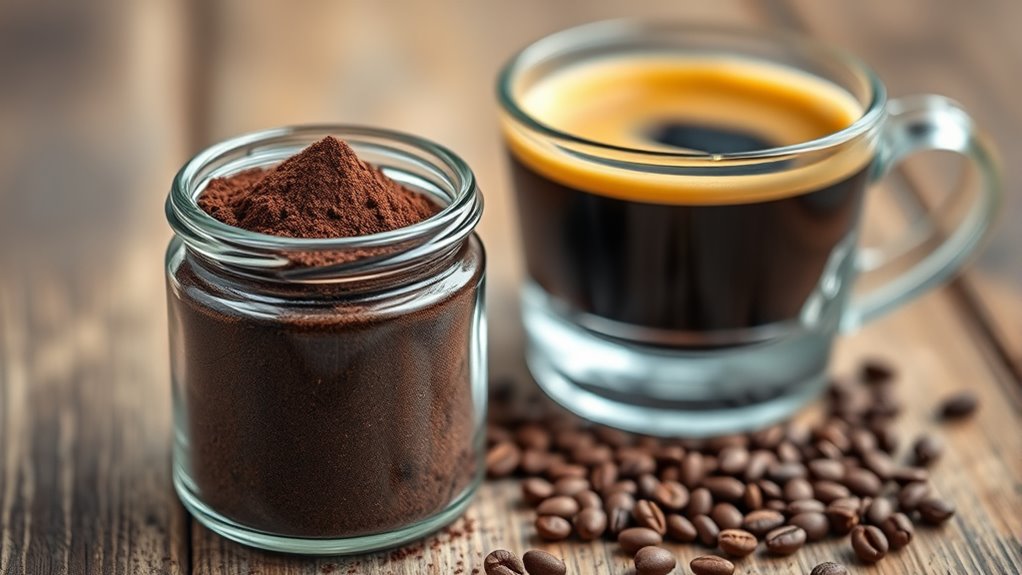
Although espresso powder and instant coffee might seem similar at first glance, they actually serve very different purposes in the kitchen. Espresso powder is made from dehydrated brewed espresso, not just ground coffee beans, which makes it much more concentrated.
Espresso powder and instant coffee look alike but serve distinct, specialized roles in cooking and brewing.
Unlike instant coffee, which dissolves in hot water for drinking, espresso powder is designed mainly as a flavor enhancer in baking and cooking. When you use it, you add subtle coffee notes and richness to recipes without having to brew a cup.
The production process involves baking espresso beans until they’re crunchy and then grinding them into a fine powder. Because of its strength, espresso powder isn’t suitable for brewing coffee.
But it’s great at intensifying flavors in cooking, which really sets it apart from instant coffee’s straightforward use for making a beverage.
Espresso powder owes its distinctive intensity to the high-pressure extraction method that defines modern espresso brewing.
How Long Does Espresso Powder Last? (Unopened vs. Opened)
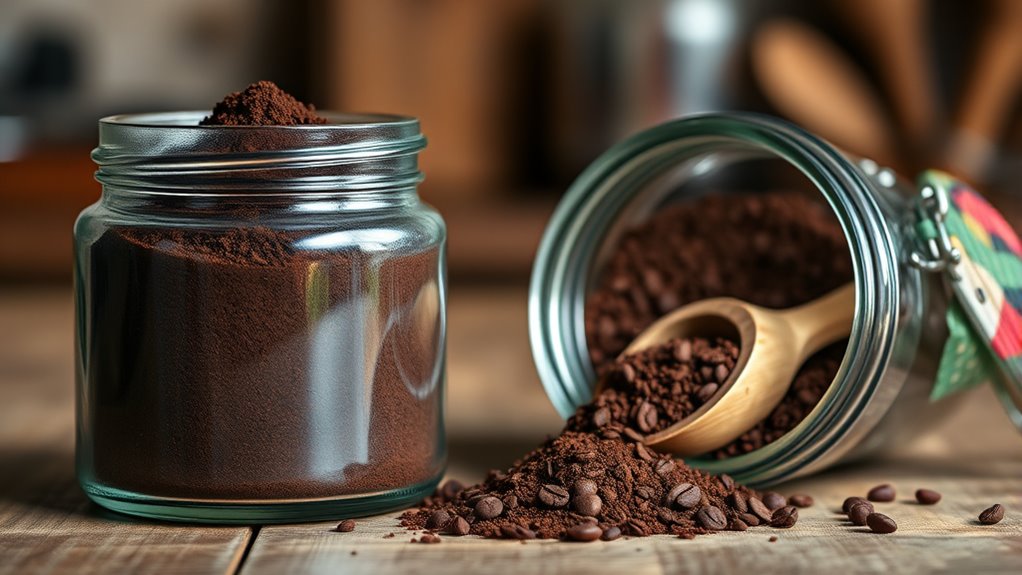
Understanding the unique role espresso powder plays in enhancing flavor makes it important to know how long it stays effective. When unopened and stored properly in a cool, dry, airtight container, espresso powder can last for a year or more without significant loss of potency.
However, once you open the container, exposure to air, humidity, and heat speeds up flavor degradation. You should try to use opened espresso powder within six months to keep its best taste and strength.
Keeping it sealed tightly and away from light and moisture will help preserve its quality. Also, check regularly for moisture, clumping, or off-odors. These signs mean the powder has deteriorated and mightn’t deliver the flavor impact you want anymore.
Proper storage and consistent use also ensure that flavor balance and crema remain optimal when brewing espresso.
Factors Affecting Espresso Powder Shelf Life
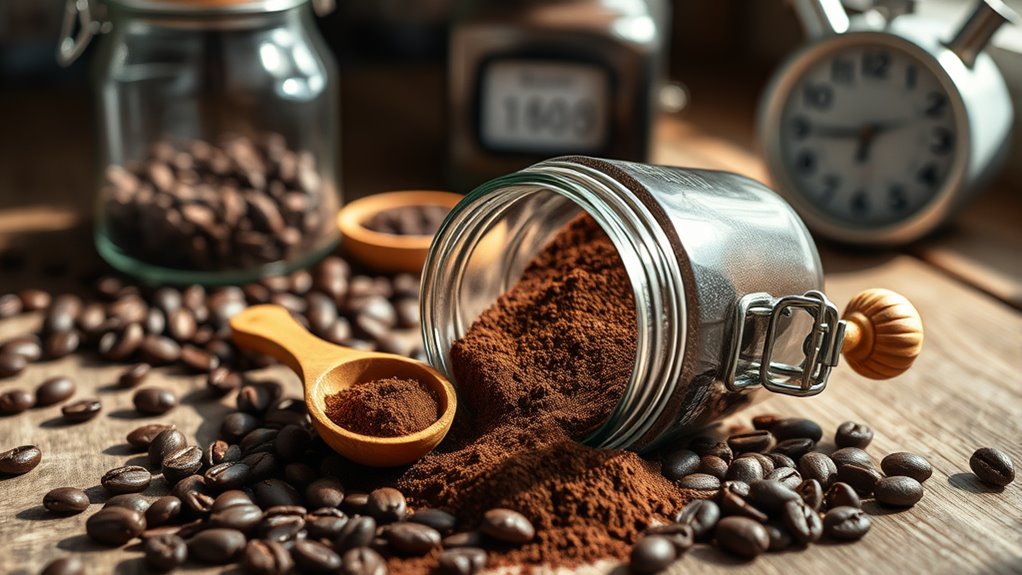
You’ll find that how you store espresso powder really makes a difference in how long it stays fresh. Moisture, light, and heat can speed up the loss of quality, so it’s best to keep it away from those.
Storing it in an airtight container in a cool, dark spot can help maintain its freshness for up to a year after opening.
Plus, if you go for higher-quality brands, they often last longer because of better processing and packaging methods.
The dehydration process used in making espresso powder also helps preserve its oils and acids, which contribute to its longer shelf life and flavor complexity.
Storage Conditions Impact
Since espresso powder is highly sensitive to environmental factors, how you store it considerably affects its shelf life. Exposure to heat and light speeds up chemical breakdown, which diminishes flavor and potency faster than if kept in ideal conditions.
Moisture is especially bad because it causes clumping and encourages mold growth, which compromises both quality and safety. You should store espresso powder in airtight, opaque containers placed in a cool, dark spot to keep it fresh.
Try to avoid frequent temperature changes since they lead to condensation inside containers and promote spoilage.
By keeping the powder away from humidity and direct sunlight, you can greatly extend its effective shelf life.
Proper storage also helps preserve the flavor intensity and aroma that espresso powder is known for.
Ingredient Quality Effects
Although storage conditions play a crucial role, the quality of the ingredients used in making espresso powder considerably impacts its shelf life. When you use high-quality, fresh espresso beans and apply an effective dehydration process, the powder’s stability and longevity improve markedly.
Poor-quality beans or inadequate drying can accelerate degradation, reducing shelf life. Exposure to moisture or air introduces risks like clumping, mold growth, and flavor loss, which further shorten usability.
Even with ideal storage, the initial ingredient quality sets a baseline for how long the powder remains potent and safe. So, to maximize shelf life, always choose premium beans and ensure proper drying before storage.
This evidence-based approach helps maintain both the flavor profile and the powder’s efficacy over time. Additionally, considering the caffeine content typical in espresso shots can help gauge the potency and quality of the powder used.
How to Store Espresso Powder for Maximum Freshness
To keep your espresso powder fresh, make sure to store it in an airtight container. This helps block moisture and air, both of which can speed up the loss of quality.
Next, find a cool, dark spot to place the container. Avoid areas near heat sources because heat can break down the flavor faster.
Regular cleaning and maintenance preserve machine efficiency and can also help maintain the quality of your espresso powder by preventing contamination.
Airtight Container Importance
When you store espresso powder in an airtight container, you substantially reduce its exposure to moisture and air. These are the main culprits behind clumping and flavor loss.
An airtight seal helps preserve the powder’s aroma and flavor, keeping it fresh for a year or more.
Containers with tight-fitting lids also minimize contamination from humidity and external odors. These can otherwise mess with the taste.
So, it’s best to avoid containers that don’t seal well because they allow environmental changes to speed up quality loss.
While airtight storage is key, refrigeration or freezing isn’t recommended. Temperature changes can cause moisture issues.
Proper storage helps maintain the aromatic compounds that are essential for preserving espresso’s rich flavor.
Cool Dark Storage
Since espresso powder’s quality deteriorates quickly under heat and light, you should store it in a cool, dark place to maintain its freshness. Keep the powder in an airtight container to block air and moisture, which cause clumping and flavor degradation.
Avoid placing it near heat sources or in direct sunlight, as elevated temperatures accelerate potency loss.
Contrary to popular belief, refrigeration or freezing isn’t advisable because temperature fluctuations and humidity can harm the powder’s integrity.
Aim for a storage environment with humidity below 50% to prevent moisture absorption.
Finally, label your container with the purchase or opening date to track freshness accurately and use the powder within the recommended timeframe.
This method guarantees you preserve espresso powder’s ideal flavor and aroma for as long as possible.
Additionally, maintaining airtight storage is essential to slowing oxidation and preserving the powder’s quality over time.
Signs Espresso Powder Has Gone Bad
Although espresso powder typically retains its quality for an extended period, you’ll know it’s gone bad if it develops a sour, rancid, or musty smell that strays from its usual rich coffee aroma. Other signs include clumping due to moisture, off-taste or excessive bitterness, and visible discoloration or mold. These indicators signal spoilage or loss of potency, especially if the powder was stored improperly. Proper storage conditions are essential to maintain the powder’s flavor and prevent degradation related to water quality and moisture exposure.
| Sign | Cause | Indicator Type |
|---|---|---|
| Sour or rancid smell | Chemical degradation | Olfactory |
| Clumping/dampness | Moisture exposure | Texture |
| Off-taste/bitterness | Freshness loss | Taste |
| Discoloration/mold | Microbial growth | Visual |
Detecting these signs early helps you avoid compromised flavor and potential health risks. It’s always better to be safe and toss out espresso powder that seems off. After all, fresh espresso powder makes all the difference in your coffee and baking!
Fun Ways to Use Old Espresso Powder
Even if your espresso powder has lost some potency, you can still leverage its flavor-enhancing properties in creative ways. Adding old espresso powder to baked goods like brownies, cakes, and cookies intensifies chocolate notes without overwhelming bitterness.
Old espresso powder can still boost chocolate flavors in baked treats without adding bitterness.
Beyond baking, you can mix it into spice rubs or marinades to impart a subtle coffee aroma that complements savory dishes. Using it as a dry rub for meats enriches flavor without adding moisture, which helps preserve texture.
For a quick caffeine boost, blend expired espresso powder into smoothies or milkshakes, enhancing depth and complexity. Additionally, incorporating it into homemade chocolate or energy bites provides natural caffeine and enriches taste.
These evidence-based uses maximize your espresso powder’s utility, even past peak freshness. This way, you reduce waste while elevating flavor profiles. Keep in mind that the caffeine content in espresso powder can vary depending on its freshness and storage conditions, which may affect the intensity of its stimulating effects.
Frequently Asked Questions
Can Espresso Powder Be Used in Cocktails?
Yes, you can use espresso powder in cocktails to add rich coffee flavor and complexity. It dissolves easily, enhancing bitterness and aroma without brewing. This makes your drinks taste fresh and concentrated when stored properly.
Using espresso powder is a great way to boost the coffee notes in your cocktail without extra effort. Just a small amount can really elevate the overall flavor profile. So go ahead and experiment with it in your favorite drinks!
Is Espresso Powder Gluten-Free?
Yes, espresso powder is naturally gluten-free since it comes from pure coffee beans. However, you should check labels carefully to avoid cross-contamination risks. This is especially important if the product is processed in facilities handling gluten-containing ingredients.
It’s always better to be safe and look for any gluten-free certification on the packaging. That way, you can enjoy your espresso powder without any worries.
How Does Espresso Powder Affect Baking Recipes?
Imagine your chocolate desserts dancing with richer, deeper flavors. You’ll find espresso powder intensifies taste and aroma, enhances moistness, and refines texture. Just measure carefully to avoid bitterness and unleash your recipe’s full potential.
Can Espresso Powder Be Substituted With Instant Coffee?
Yes, you can substitute espresso powder with instant coffee by using one to two teaspoons of instant coffee for every teaspoon of espresso powder.
Just dissolve it in hot water to better replicate espresso’s intense flavor in recipes. It works pretty well when you need that rich coffee kick but don’t have espresso powder on hand.
Give it a try next time you’re baking or making a coffee-flavored dish!
Does Espresso Powder Contain Caffeine?
Yes, espresso powder contains caffeine, about 30-80 mg per teaspoon. If you brewed a strong espresso, you’d get a similar boost.
Its caffeine remains stable, so you can rely on consistent potency in your recipes. Makes it a great choice when you want that caffeine kick without extra liquid.
Conclusion
Now that you know espresso powder doesn’t last forever, it’s best to store it airtight in a cool, dark place to keep it fresh. While unopened, it stays potent for up to two years, but once opened, its quality declines faster.
Don’t throw it away at the first sign of staleness. Sometimes a little wrinkle in time can still brew a flavor worth savoring. Keep an eye on freshness to get the best results every time.