Yes, decaf espresso is definitely a thing. You get the bold, concentrated shot you love but with just 3 to 15 mg of caffeine per shot, compared to about 63 mg in regular espresso.
It’s made from beans processed by methods like Swiss Water or CO2 extraction to preserve flavor and crema. You can use decaf just like regular espresso for drinks. This makes it great for late days or if you’re sensitive to caffeine.
Keep going, and you’ll discover how decaf espresso works and tastes in detail.
What Is Decaf Espresso? How Is It Different?
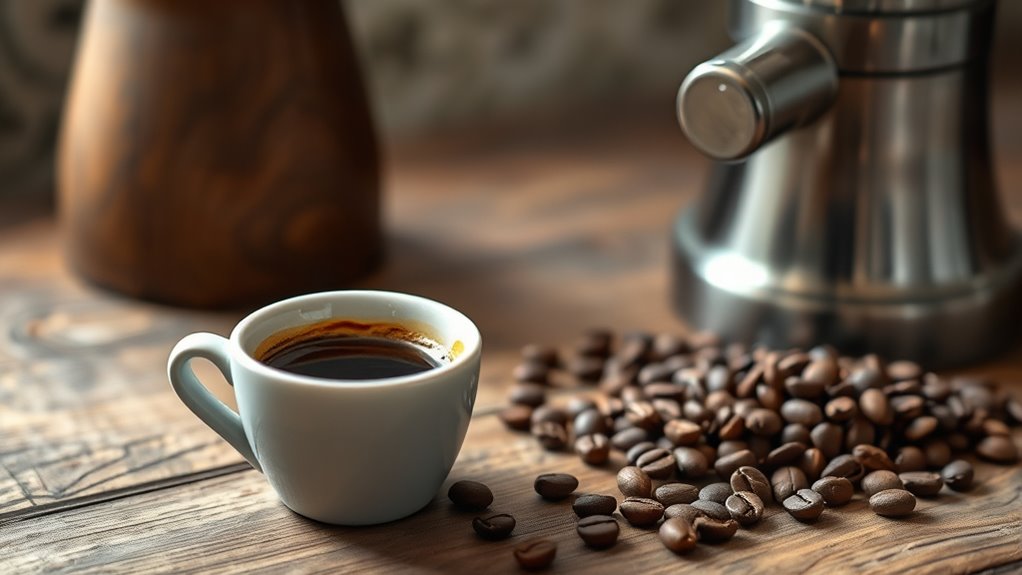
Although decaf espresso uses the same espresso brewing method, it’s made from decaffeinated coffee beans. This gives you a bold, concentrated shot with considerably less caffeine, typically 3 to 15 mg per shot compared to about 63 mg in regular espresso.
You’re not drinking a different type of bean. Decaf espresso uses regular beans that have undergone decaffeination through methods like the Swiss Water or CO2 process. These techniques remove caffeine while preserving the beans’ flavor and the espresso’s characteristic crema.
When you pull a shot of decaf espresso, you get a rich, intense taste very similar to the regular version but with minimal caffeine. The decaffeination methods used ensure that much of the original flavor and aroma compounds remain intact, providing a satisfying espresso experience.
How Much Caffeine Is In Decaf Espresso?
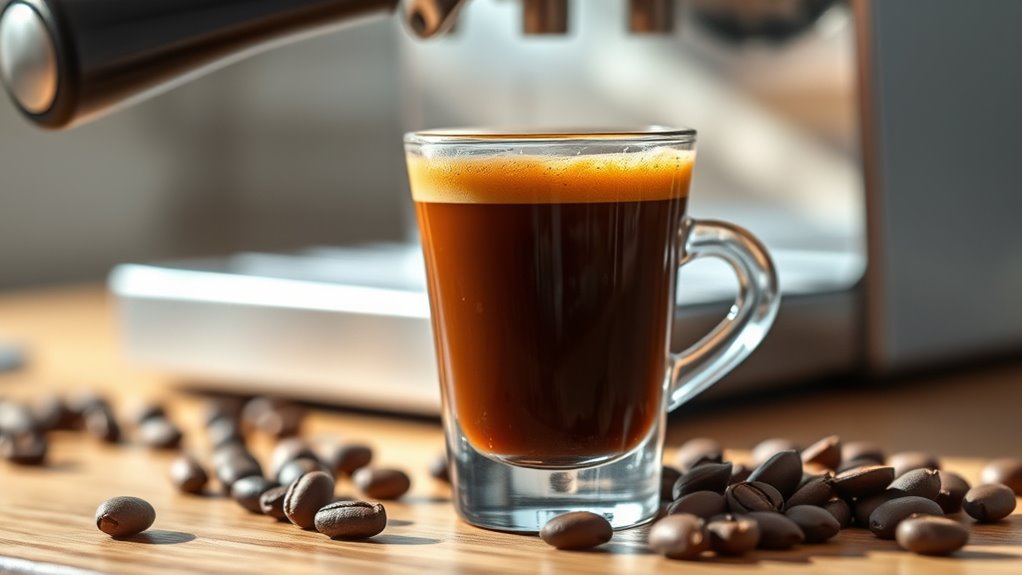
You’ll find that decaf espresso contains about 3 to 15 milligrams of caffeine per shot, which is way less than a regular espresso’s 63 milligrams.
This small amount of caffeine sticks around because decaffeination reduces about 97% of it, though the exact number can change a bit depending on the method used.
Choosing beans processed with the Swiss Water process can result in some of the lowest caffeine levels in decaf espresso.
Caffeine Levels Explained
While decaf espresso isn’t completely caffeine-free, it contains only about 3 to 15 milligrams of caffeine per shot. That’s significantly less than the 50 to 60 milligrams found in a regular espresso.
This reduced caffeine content comes from strict decaffeination processes that remove at least 97% of caffeine, as required by the U.S. FDA.
However, the exact caffeine level can vary depending on the decaffeination method and the coffee bean variety used.
Because of this minimal caffeine presence, decaf espresso is a great option if you want to enjoy espresso’s rich flavor without the stronger stimulant effects.
Keep in mind, though, that even trace amounts of caffeine remain, so it’s not entirely caffeine-free. But it’s definitely far gentler on your system compared to regular espresso.
To achieve the best flavor balance, decaf espresso should still be extracted within the optimal shot time of 25-30 seconds, just like regular espresso.
Effects Of Minimal Caffeine
How much caffeine does decaf espresso really contain, and what impact does it have on your body? A shot of decaf espresso typically holds 3 to 15 milligrams of caffeine, which is quite a bit less than the 50 to 60 milligrams found in a regular shot. This happens because decaffeination removes about 97% of caffeine from the beans.
The minimal caffeine left in decaf espresso rarely triggers jitters or sleep issues for most people. So, it’s a great option if you want to enjoy the espresso experience without the usual caffeine buzz.
Whether you’re sensitive to caffeine or need a late-night pick-me-up, decaf espresso lets you savor rich flavors while keeping caffeine’s effects to a minimum. However, it’s important to note that the residual caffeine can accumulate if multiple shots are consumed daily, especially for highly sensitive individuals.
How Are Decaf Espresso Beans Made And Decaffeinated?
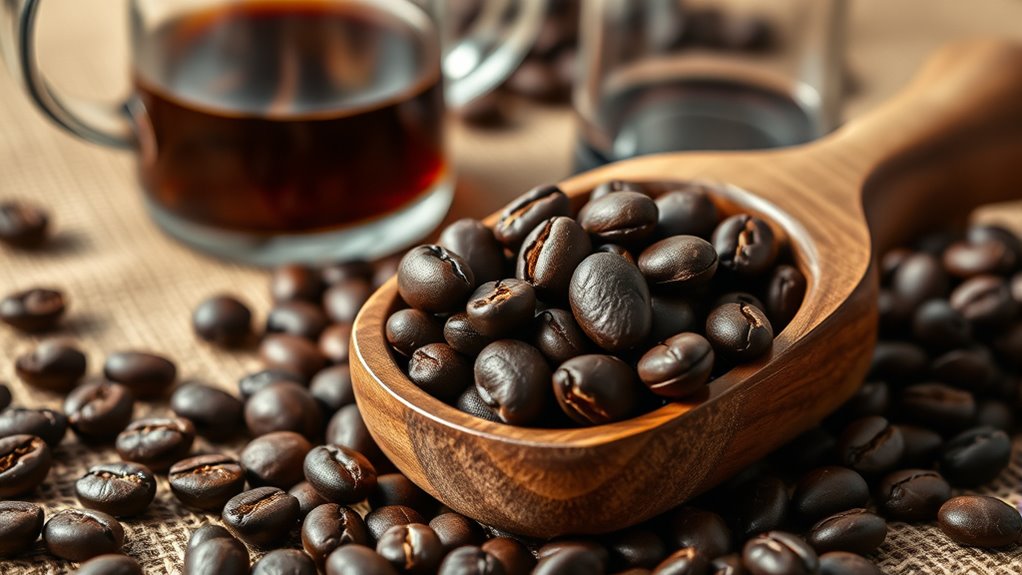
Because decaf espresso beans start as regular coffee beans, they first go through a careful decaffeination process before roasting and brewing. One popular chemical-free method is the Swiss Water Process. This method uses water and activated charcoal to selectively remove caffeine while keeping most of the beans’ natural flavors intact.
Another way to decaffeinate is by using chemical solvents like ethyl acetate or methylene chloride. These agents extract caffeine, but sometimes they might leave tiny trace residues behind.
No matter which method is used, decaffeination typically removes about 97% of the caffeine. So, you’re left with roughly 3 to 15 mg of caffeine per shot of decaf espresso.
Decaffeination can affect the flavor a bit, but high-quality processes make sure the espresso still has that rich, bold profile you expect. Knowing how these methods work helps you appreciate how decaf espresso beans keep much of their character even after the caffeine is taken out.
However, grind size and tamping adjustments may be necessary when preparing decaf espresso to optimize extraction and flavor balance.
Does Decaf Espresso Taste Different From Regular Espresso?
Understanding the decaffeination process helps explain why decaf espresso often tastes remarkably close to regular espresso. While caffeine removal can slightly alter flavor, quality decaf maintains much of the boldness and crema you expect. You might notice subtle differences, like a smoother or less bitter profile, especially if the beans are carefully roasted.
Consider these points:
Decaf espresso retains rich, roasted notes similar to regular espresso. Aroma may be subtly different due to decaffeination’s impact on volatile compounds. Water-processed decaf beans typically preserve flavor better than solvent-based methods.
Some drinkers find decaf espresso less intense but still full-bodied and satisfying. With proper bean selection and roasting, you can enjoy decaf without sacrificing the espresso experience. Additionally, maintaining proper extraction techniques ensures that decaf espresso achieves the optimal flavor and crema typical of a well-pulled shot.
Best Decaf Methods For Preserving Espresso Flavor
If you’re looking to keep that rich, nuanced espresso flavor in your decaf, you’ll want to go for beans processed with water-based methods. The Swiss Water Process and CO2 extraction are great examples.
These methods steer clear of chemicals, so you still get those delicious notes—think toasted nuts and cacao—that make a quality cup stand out.
On the other hand, chemical solvent methods can change the flavor and sometimes leave behind residues that affect the taste.
Choosing decaf beans with a roast profile tailored for espresso helps preserve the flavor and crema quality even after decaffeination.
Water-Based Decaffeination Benefits
When you choose water-based decaffeination methods like the Swiss Water Process, you get a decaf espresso that stays true to the bean’s original flavor profile. This method uses only water and activated charcoal filters to remove caffeine, preserving essential flavor compounds without chemical interference.
The result is a cleaner, smoother cup that retains aroma and crema better than many alternatives.
Here’s why water-based decaffeination stands out:
It dissolves caffeine while keeping soluble flavor compounds intact. It avoids chemical residues, ensuring a pure, natural taste. Plus, it supports environmentally friendly practices favored by specialty roasters.
It also maintains rich flavor nuances and a satisfying mouthfeel in the final espresso. Choosing this method means you don’t sacrifice quality when opting for decaf espresso. It’s a great way to enjoy your coffee without compromise.
Chemical Methods Flavor Impact
While water-based methods like the Swiss Water Process excel at preserving espresso’s original flavors, chemical solvent-based decaffeination presents a different set of considerations. These methods use solvents like ethyl acetate or methylene chloride, which may cause slight flavor loss and risk residual solvent presence affecting taste.
You might notice a flatter profile since some aromatic compounds are removed alongside caffeine. However, careful control during processing helps minimize these effects, producing a decent decaf espresso.
| Aspect | Impact |
|---|---|
| Flavor Clarity | Slightly reduced compared to water-based |
| Residual Solvents | Possible if not carefully processed |
| Aromatic Compound Retention | Lower, leading to less vibrant flavors |
Choosing chemical methods means balancing efficiency with some flavor sacrifice. It’s a trade-off worth considering depending on what matters most to you.
How To Brew A Perfect Shot Of Decaf Espresso At Home
Because decaf espresso requires careful balance to highlight its subtle flavors, dialing in the grind size and water temperature is vital. Start with a very fine grind, almost like powdered sugar, to guarantee proper extraction.
Keep your water temperature between 195°F and 205°F (90°C to 96°C) to optimize flavor and crema.
Aim to pull the shot within 25 to 30 seconds to prevent bitterness and maintain richness.
Consistency in tamping pressure, around 30 pounds, helps promote even extraction.
Use freshly roasted decaf beans for maximum flavor.
Clean your espresso machine regularly to avoid off-flavors.
Monitor extraction time closely to avoid under- or over-extraction.
Maintain consistent tamping pressure for a smooth, bold shot.
Following these steps will help you brew a balanced, flavorful decaf espresso at home.
For best results, serve immediately in a pre-warmed small cup to preserve crema and flavor.
Espresso Drinks You Can Make With Decaf Beans
Mastering the perfect shot of decaf espresso opens up a world of espresso-based beverages you can create without sacrificing flavor or complexity. You can craft all traditional espresso drinks like lattes, cappuccinos, and Americanos with decaf beans, thanks to their rich crema and bold flavor.
Decaf espresso excels in drinks like cortados and flat whites, delivering the same smooth texture and depth as regular espresso. Use your espresso machine, moka pot, or AeroPress to brew it just as you’d with caffeinated beans.
With only 3–15 mg of caffeine per shot, decaf makes an excellent choice for late-night indulgence or caffeine-sensitive individuals. This versatility guarantees you enjoy your favorite espresso drinks while keeping caffeine intake minimal. Proper control of grind size and extraction time is essential to achieve the best flavor in decaf espresso.
Why You Should Try Decaf Espresso
Why settle for less when you can enjoy the bold, rich flavor of espresso without the caffeine kick? Decaf espresso lets you savor intense taste and creamy texture while keeping caffeine intake minimal. It only has 3–15 mg per shot.
Enjoy the bold, rich flavor of espresso with minimal caffeine—just 3–15 mg per shot.
This means you can indulge any time without risking sleep disruption or jitters. Using water-based decaffeination methods, like the Swiss Water process, preserves the beans’ original flavor. That makes decaf espresso a satisfying alternative.
Consider these benefits:
- Retains rich flavor and crema despite caffeine removal
- Allows late-day espresso enjoyment without affecting sleep
- Removes about 97% of caffeine, reducing stimulant effects
- Works well in all espresso-based drinks for versatile use
While decaf espresso maintains much of the flavor, it still relies on high-pressure extraction to achieve the characteristic crema and richness.
Trying decaf espresso expands your options without sacrificing quality or experience. Give it a shot—you might be surprised how good it is!
Frequently Asked Questions
Can Decaf Espresso Help With Sleep Problems?
Yes, decaf espresso can help with sleep problems because it contains minimal caffeine. This lets you enjoy espresso’s flavor without the stimulating effects that disrupt sleep. It’s a great option if you’re sensitive to caffeine or want better rest.
Is Decaf Espresso Safe During Pregnancy?
Coincidentally, you can enjoy decaf espresso safely during pregnancy since it contains minimal caffeine. Just keep your daily intake under 200 mg, and consult your healthcare provider to guarantee it suits your specific health needs and pregnancy stage.
It’s always a good idea to double-check with your doctor, especially because every pregnancy is different. So, if you’re craving a little decaf espresso, go ahead—but do so mindfully!
How Long Does Decaf Espresso Stay Fresh After Brewing?
You’ll find decaf espresso stays fresh for about 10-15 minutes after brewing before the flavor fades.
Keep it covered for up to 30 minutes or refrigerate it in an airtight container for 24 hours.
Just try to avoid reheating it if you want to preserve the taste.
Can Decaf Espresso Affect Anxiety or Jitters?
You won’t turn into a jittery mess from decaf espresso! Its low caffeine hardly triggers anxiety. But if you’re super sensitive and drink multiple shots, you might feel slight jitters.
Generally, it’s a safe, calming choice.
Are There Any Health Benefits Unique to Decaf Espresso?
You gain unique benefits with decaf espresso, like reduced caffeine-induced anxiety and preserved antioxidants that support heart health and reduce inflammation. This lets you enjoy coffee’s protective effects without risking jitters or sleep disturbances.
Conclusion
Decaf espresso isn’t just a whisper of coffee. It’s a bold alternative that lets you savor rich, complex flavors without the caffeine jolt. By understanding how decaf beans are crafted and brewed, you open up a world where every shot dances with depth and balance.
Whether you want to enjoy espresso late at night or reduce your caffeine intake, decaf delivers a smooth, satisfying experience. Give it a shot. You might just find your new favorite ritual.