You can safely keep brewed espresso in the fridge for up to seven days, but its flavor and aroma start to degrade quite a bit after 1-2 days because of oxidation.
To keep it tasting good, store it in an airtight container and put it in the coldest part of your fridge. Try not to add milk until you’re ready to use it since dairy can shorten how long it lasts.
Also, reheating it over and over isn’t great for the taste. Handling it properly helps keep it fresh and safe to drink.
If you want to know more about how to store espresso, use it, or spot when it’s gone bad, keep reading below.
How Long Does Espresso Last in the Fridge?
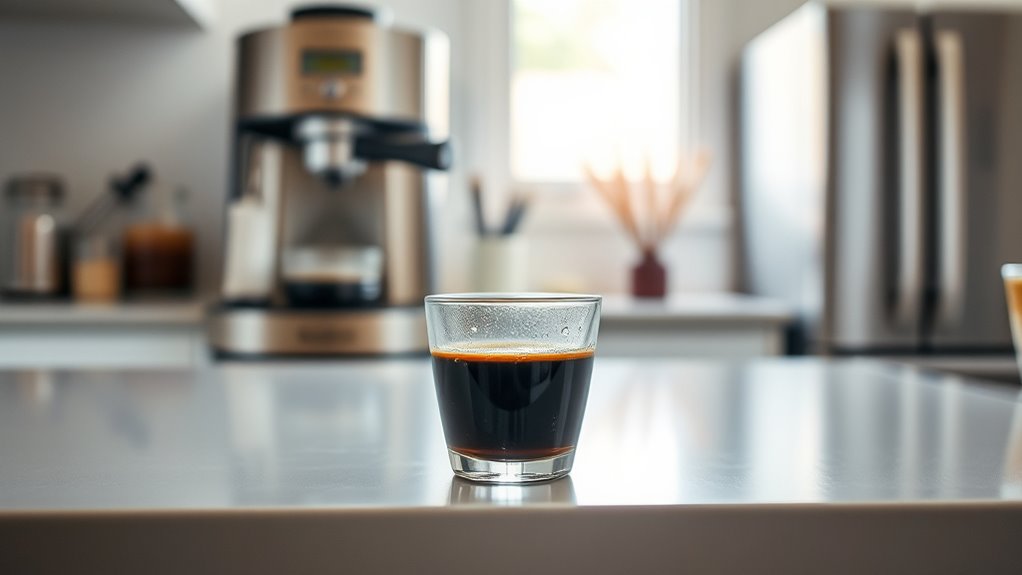
While brewed espresso can safely stay in your fridge for up to a week when stored in an airtight container, its best flavor and aroma last only 1 to 2 days. After this period, oxidation causes the espresso to lose its vibrant notes, resulting in a flat or sour taste.
Brewed espresso stays safe for a week but tastes best within 1 to 2 days before flavor fades.
You should cool the espresso slightly before sealing it to minimize condensation. Also, store it in the coldest part of the fridge to slow down degradation.
If you add dairy or flavorings, expect the shelf life to shorten considerably. Consume it within 1 to 2 days to avoid spoilage.
Although safe to drink for up to 7 days, espresso’s sensory quality diminishes quickly. So, for ideal taste, try to consume it within the initial 48 hours of refrigeration.
Proper extraction time and preparation help ensure the espresso maintains as much flavor as possible before storage.
How Does Fridge Storage Affect Espresso’s Flavor and Quality?
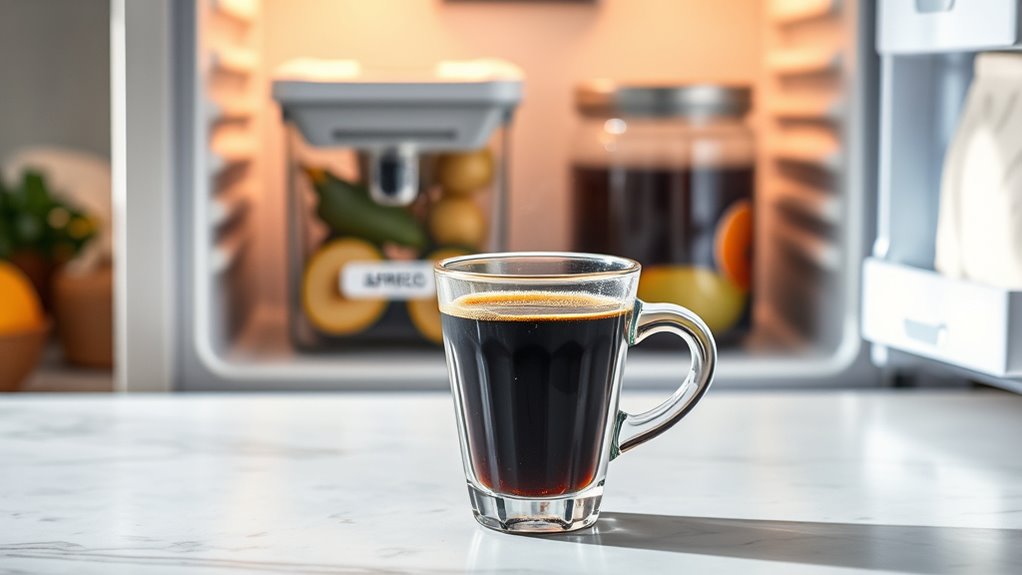
Because oxidation and temperature fluctuations happen even in the fridge, storing espresso there really changes its flavor and quality. You’ll see the crema start to disappear and the oils rise to the surface. This means the fresh aroma and flavor take a hit.
After just 1-2 days, oxidation leads to a dull, flat taste. Airtight storage can slow this down, but it won’t stop it completely. When air and temperature shifts get involved, off-flavors creep in and the overall freshness drops.
| Factor | Effect on Espresso Quality |
|---|---|
| Crema dissipation | Loss of aroma and richness |
| Oil separation | Altered mouthfeel and taste |
| Oxidation over time | Dull, flat flavor after 1-2 days |
| Temperature fluctuations | Off-flavors and freshness reduction |
For best results, it is important to use fresh espresso and keep your equipment clean to maintain the highest flavor quality.
How Does Adding Milk Change Refrigerated Espresso’s Shelf Life?
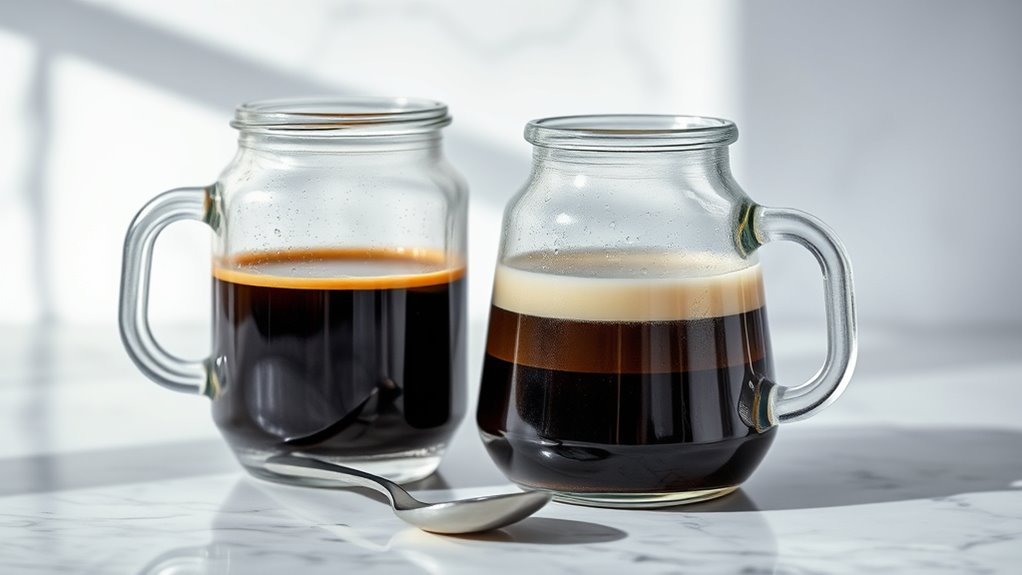
Adding milk to your refrigerated espresso considerably shortens its shelf life, limiting it to about 1-2 days. Milk introduces bacteria that thrive even at cold temperatures, which speeds up spoilage and increases the risk of unsafe consumption.
Milk in refrigerated espresso cuts its shelf life to 1-2 days by promoting bacterial growth.
Dairy also speeds up oxidation, breaking down flavor and freshness faster than black espresso.
So, it’s best to keep a few things in mind. Milk causes rapid bacterial growth, so try to consume the espresso within 1-2 days.
If you notice any sour smell, curdling, or separation, it’s time to toss it out.
To keep your espresso tasting fresh, add milk only when you’re ready to serve. This way, you’ll enjoy the best flavor and avoid wasting any drink.
Because espresso is a concentrated shot with a thick texture and crema, its flavor can degrade noticeably when mixed with milk and stored.
What Are the Best Containers and Storage Methods for Espresso?
If you want to maintain your espresso’s freshness in the fridge, choosing the right container is vital. Airtight glass containers are your best option because they prevent oxygen exposure, preserving flavor and aroma. Make sure the lid fits tightly to minimize contamination and slow oxidation, which extends freshness.
Before storing, cool your brewed espresso for 5-10 minutes to avoid condensation that can promote spoilage. Avoid open or loosely covered containers, as they increase bacterial growth and degrade flavor.
To keep track of your espresso’s viability, label the container with the brewing date and consume it within 3-7 days. These methods, grounded in preserving quality and safety, ensure your refrigerated espresso stays fresh and enjoyable longer. Using dark roast coffee can also help maintain a richer flavor profile even after refrigeration.
Can You Freeze Brewed Espresso to Extend Its Life?
While refrigeration limits brewed espresso’s freshness to about a week, freezing offers a practical solution to extend its shelf life up to 2-3 months. Freezing preserves flavor quality reasonably well if you store espresso properly.
To maximize benefits, use airtight containers or ice cube trays to prevent freezer burn and contamination. Freeze espresso in small portions for convenient use in cold drinks or baking. Thaw in the refrigerator or use frozen cubes directly, avoiding refreezing to maintain quality.
Though freezing causes some flavor and aroma degradation over time, it remains safe and practical beyond refrigeration limits. This method offers a reliable way to extend your espresso’s usability without significant sacrifice in taste or safety. For a different experience, some canned espresso martinis use flavoring instead of real espresso, which impacts both flavor and caffeine content, as detailed in coffee cream liqueur.
How Can You Use Leftover Espresso Safely?
If you have leftover espresso, it’s best to store it in an airtight container. Make sure to use it within 1-2 days to keep it safe and maintain good flavor.
Reheating espresso can sometimes mess with the taste, so a great alternative is to enjoy it cold or use it in recipes like desserts. This way, you still get to make the most of it without wasting any.
Just remember to check for any signs of spoilage before you drink or use it. That way, you can avoid any health risks and enjoy your espresso safely.
Storage Best Practices
A key step in preserving leftover espresso’s quality is storing it promptly in an airtight glass container placed in the coldest part of your fridge. Ideally, do this within 1 to 2 hours after brewing. This helps minimize oxidation and flavor degradation.
To maximize storage, start by labeling the container with the brewing date. This way, you can keep an eye on freshness and make sure to discard it after 2 days to prevent spoilage.
Also, avoid adding milk, cream, or flavorings before storage. It’s best to add these only when you’re ready to serve. This limits microbial growth and helps maintain the espresso’s shelf life.
Try not to reheat espresso multiple times. Doing so can make it taste more bitter and lose its aroma. Instead, consider using leftover espresso cold in iced drinks or recipes.
Following these simple, evidence-based tips helps you safely enjoy leftover espresso while keeping its best flavors intact. For the best flavor and foam quality in cocktails like the Espresso Martini, always use freshly brewed espresso rather than stored coffee.
Safe Consumption Timeframe
Proper storage lays the foundation for safely consuming leftover espresso, but understanding the timeframe for its best use is equally important. You should consume refrigerated espresso within 1-2 days to avoid significant flavor degradation. Beyond this period, the espresso’s aroma and taste deteriorate, often becoming flat or bitter.
Always check for signs of spoilage such as a sour smell, mold, or a slimy texture. These indicate it’s unsafe to drink. Avoid reheating leftover espresso, as this intensifies bitterness and reduces quality.
To maximize safety, keep your espresso in an airtight container in the fridge’s coldest section. If you need longer storage, freeze espresso in ice cube trays, which preserves it safely for 2-3 months.
Just remember, refrigeration alone shouldn’t exceed two days. For the best flavor and texture, consider using the espresso promptly in recipes or beverages that benefit from rapid cooling and aeration.
Creative Leftover Uses
Although reheating leftover espresso repeatedly diminishes its quality, you can still harness its flavor by incorporating it into cold recipes and desserts. Using espresso cold not only preserves its taste but also prevents spoilage. It makes it safe to consume within 3-7 days when stored properly.
Consider these practical ways to use your leftover espresso:
- Freeze espresso in ice cube trays for up to 2-3 months. This is perfect for iced coffee or smoothies without dilution.
- Add it to baked goods like brownies or tiramisu to intensify coffee flavor without reheating.
- Incorporate espresso into cold desserts like coffee ice cream or use it as a flavoring in sauces.
These methods maximize flavor while ensuring safety. Plus, they help you avoid the pitfalls of repeated reheating.
How Do You Know if Refrigerated Espresso Has Gone Bad?
When refrigerated espresso starts emitting a sour or vinegary smell, you can be confident it has gone bad. This odor signals bacterial growth and spoilage, making the espresso unsafe to drink.
You should also inspect the espresso visually; any mold, unusual discoloration, or slimy texture confirms it has spoiled.
Taste provides further evidence. If the espresso tastes flat, bitter, or off, discard it.
Additionally, a sludgy or separated appearance indicates degradation beyond oxidation, which typically only dulls flavor over a few days without causing a foul smell.
Trust your senses. If the espresso looks, smells, or tastes off, don’t risk consumption. These clear indicators provide an objective, evidence-based approach to determining when refrigerated espresso is no longer safe or enjoyable.
Regular cleaning and maintenance of your espresso machine help prevent bacterial growth that can lead to spoilage in your brewed espresso, especially when stored in the fridge for extended periods, as outlined in the Importance of Regular Cleaning.
Frequently Asked Questions
What Is the Ideal Temperature for Storing Espresso in the Fridge?
You should store espresso at or below 40°F (4°C) in the fridge. This temperature slows oxidation and bacterial growth, which helps preserve the flavor and aroma effectively.
That way, your espresso stays fresh and enjoyable for several days. Keeping it cold really makes a difference!
Does Espresso Type (Single vs. Double Shot) Affect Its Fridge Lifespan?
The type of espresso shot doesn’t affect its fridge lifespan considerably. Whether it’s single or double, both spoil within 1-2 days due to oxidation.
Can Espresso Be Stored in a Thermos Instead of the Fridge?
You can store espresso in a thermos for 4-6 hours, but it won’t prevent flavor loss or spoilage.
For safety and taste, it’s best to consume it quickly. Refrigeration still offers longer, more reliable preservation.
How Does Espresso Storage Differ From Storing Cold Brew Coffee?
You’ll store espresso in an airtight container and refrigerate it quickly to slow its rapid flavor loss.
Cold brew’s low acidity lets you keep it longer in sealed, opaque bottles without worrying about bitterness or oxidation.
Is It Safe to Mix Old Espresso With Freshly Brewed Shots?
You shouldn’t mix old espresso with freshly brewed shots. Doing so risks bacterial contamination, spoils flavor, and creates uneven taste. For safety and quality, discard espresso stored beyond three days before brewing fresh shots.
It’s really best to keep things fresh so your coffee tastes just right. Plus, no one wants to take a chance with old espresso that might have gone bad. Just brew a new shot when you’re ready for the best flavor and safety.
Conclusion
When storing espresso in the fridge, you’ll want to consume it within 3 to 5 days to avoid a decline in flavor and quality. Adding milk shortens this window because bacteria start to grow faster.
Use airtight containers to keep it fresh, and while freezing is an option, it might change the taste a bit. Always trust your senses. If it smells or tastes off, don’t risk it.
Remember, it’s better to be safe than sorry when it comes to storing espresso. Just enjoy it while it’s fresh!